Category: Entertainment
-

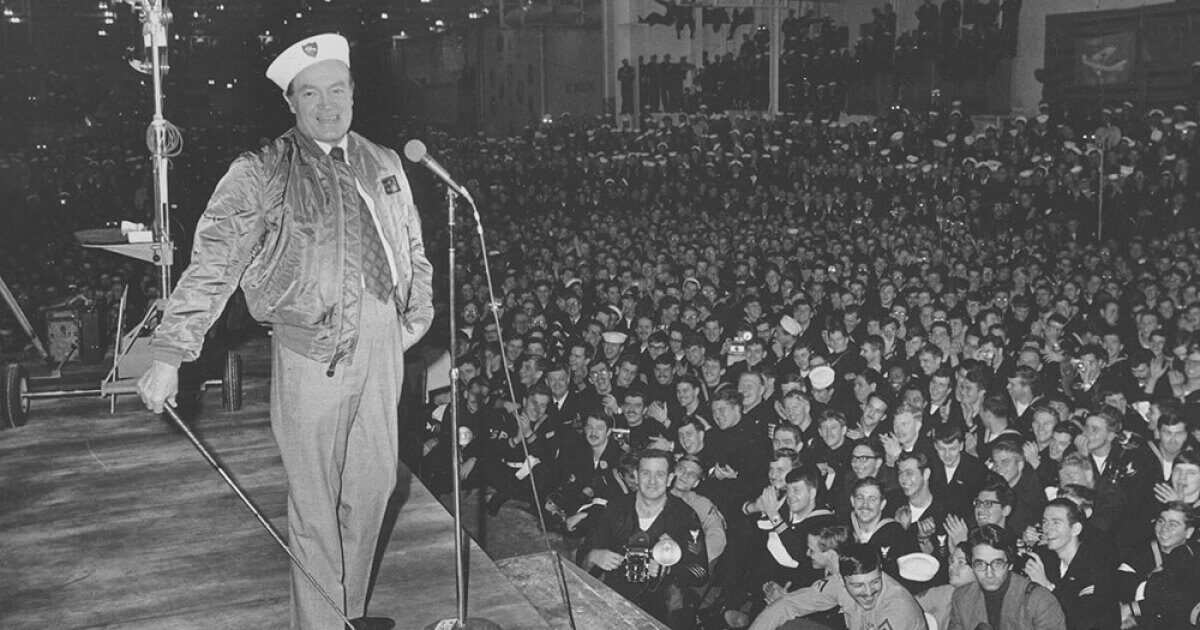
Bob Hope USO Shows
The Origins of USO and Bob Hope’s Involvement In February 1941, the United Service Organizations (USO) was created at the request of President Franklin D. Roosevelt to boost troop morale before America’s entry into World War II. Bob Hope, already a Hollywood star, joined the USO effort in May 1941, performing his first show for…
-

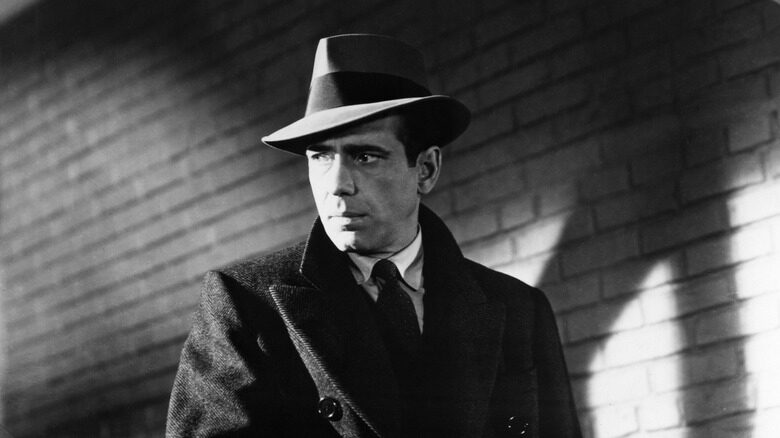
1940s Film Noir Mystique
Defining Film Noir Film noir emerged during the 1940s as a distinctive style capturing post-war disillusionment and societal anxiety. It wasn’t a genre but more of a mood, characterized by shadowy visuals and morally ambiguous characters. Directors used sharp contrasts between light and shadow, creating an atmosphere of lurking danger. Low-key lighting cast long shadows,…
-

1940s Propaganda Posters
Role of Propaganda in WWII During World War II, the U.S. government became a master of propaganda posters. These vibrant, catchy images were everywhere, pushing Americans to support the war effort in various ways. From encouraging Victory Gardens to promoting carpooling, the posters played a crucial role in rallying citizens and managing resources. Propaganda posters…
-

1940s Radio Soap Operas
Origins and Evolution In the 1940s, radios were the centerpiece of living rooms, providing families an escape from everyday life. Radio soap operas, which had roots in vaudeville, theater, and silent films, reigned supreme. These programs delivered daily doses of drama directly into homes, forging intimate connections with listeners. Technological progress fueled the rapid growth…
-

1940s Dance Scene
The Rise of Swing and Big Band Music In the 1940s, swing and big band music set the nation’s rhythm. Duke Ellington and Benny Goodman became household names, their tunes spinning on records in living rooms and filling dance floors. Ellington’s sophisticated jazz compositions captured the spirit of an America in both turmoil and triumph.…
-
Film Noir’s 1940s Rise
Film noir emerged as a cinematic reflection of the 1940s, capturing the essence of a world grappling with profound change. This genre combined visual artistry with intricate storylines, resonating deeply with audiences of the time. Its distinctive style and thematic depth offered a mirror to society’s struggles, inviting viewers into a shadowy dance of intrigue…
-

1940s Radio Stars
Before screens dominated entertainment, radio was a constant companion in American homes. It offered a mix of voices and stories that captivated listeners, sparking imaginations and uniting people through shared experiences. From comedy to drama, the airwaves buzzed with creativity and connection, providing a sense of community and stability in a changing world. The Golden…
-

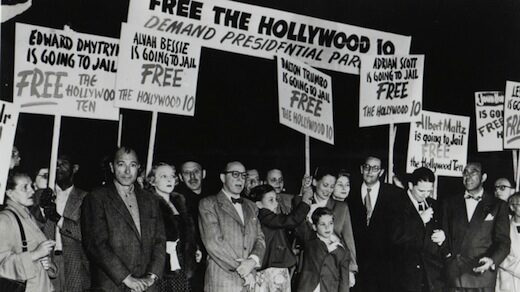
1940s Hollywood Censorship
Origins of Film Censorship Will H. Hays, a former postmaster, was tasked with cleaning up Hollywood’s scandalous image in the 1920s. He introduced the Hays Code, a set of moral guidelines for film content. The code wasn’t just a suggestion – it was a strict set of rules for studios to follow. Joseph Breen, a…
-

1940s Hollywood Stars
Prominent Actresses of the 1940s Ingrid Bergman redefined Hollywood stardom during the 1940s with her charm and talent. The Swedish-born actress captured international attention with her range of roles, most notably as Ilsa Lund in Casablanca. Her collaborations with Alfred Hitchcock in films like Spellbound and Notorious further cemented her status as a versatile performer.…
-

1940s Black & White Photography
Technological Advancements The 1940s brought significant changes to black and white photography: Darkroom techniques progressed as well. Variable contrast papers became popular, allowing photographers to adjust the tonal range of their prints without committing to a specific paper type. Electronic flash equipment improved lighting for indoor scenes, enabling photographers to illuminate areas where natural light…