
Origins and Evolution
In the 1940s, radios were the centerpiece of living rooms, providing families an escape from everyday life. Radio soap operas, which had roots in vaudeville, theater, and silent films, reigned supreme. These programs delivered daily doses of drama directly into homes, forging intimate connections with listeners.
Technological progress fueled the rapid growth of radio dramas. Improved sound technology allowed for clearer voices and effects that transported listeners to bustling New York streets or quiet countryside. Though unseen, actors became household names, their voices as familiar as family.

Culturally, soap operas mirrored society’s changing norms and values. During war years, themes often reflected real hardships. Many shows focused on relatable struggles and triumphs, resonating with audiences in tough times. Advertisers cleverly latched onto these dramas, promoting everything from soap to household essentials.
The 1950s arrival of television pushed radio soap operas to adapt once more. For a decade, radios had been the undisputed champions of drama, with children sneakily listening after bedtime and adults immersed in tales of love and betrayal.
Cultural Impact
Radio soap operas were influential in shaping daily life in the 1940s. Families gathered around the radio for shared experiences that sparked conversations and united communities. These shows set the stage for discussions on crucial issues, fashion, and moral values.
Women, often the primary daytime audience, found airwaves filled with complex female characters and stories. These shows provided empathy-driven escapism, reflecting both constraints and possibilities of their daily realities. Many characters and storylines encouraged discussions on topics like:
- Love and relationships
- Family dynamics
- Societal expectations
Radio soap operas also subtly shaped public opinion. Sponsors used their platform to influence consumer behavior, creating an early form of brand loyalty. Beyond consumer goods, these programs reflected and sometimes magnified social norms and values in their story arcs. During war years, soap operas echoed the nation’s collective anxieties and hopes, with storylines about longing, loss, and eventually, reunification.
Ultimately, 1940s radio soap operas captivated diverse audiences, shaping opinions and reflecting societal shifts. They provided a lifeline to a united cultural landscape, offering listeners a place to see their own stories unfold.
Key Figures and Shows
Certain personalities truly stood out in the golden era of 1940s radio soap operas:
- Irna Phillips: Often called the ‘Queen of the Soaps,’ she created numerous hit shows like “Guiding Light” and “Today’s Children.” Phillips excelled at blending everyday dilemmas with dramatic flair.
- Frank and Anne Hummert: Founded one of the most prolific radio production companies of the time. Their shows, such as “Ma Perkins” and “Backstage Wife,” enthralled listeners with engaging plots and relatable characters.

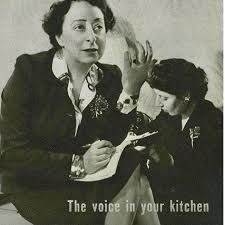
Some actors became household names through their radio performances:
- Virginia Payne: Played the titular role in “Ma Perkins” for nearly three decades, infusing her character with warmth and resilience.
- Les Tremayne: Known for his work on shows like “First Nighter,” he brought an impressive range to every role, captivating listeners with his dynamic vocal prowess.
Among beloved shows, “Our Gal Sunday” stands out as a timeless soap opera that vividly portrayed romance and high society drama. Its titular character, an orphan who marries into English aristocracy, represented the aspirational storytelling that listeners eagerly consumed during that era.
These characters and stories, created by imaginative writers and brought to life by talented actors, became integral to the cultural landscape of the 1940s, creating a rich legacy that continues to echo through entertainment history.

Radio soap operas of the 1940s were more than stories; they reflected society, offering a glimpse into the hopes and challenges of the time. These shows connected people through shared experiences and emotions, leaving a lasting impact that continues to resonate. Their influence on culture and entertainment demonstrates the power of storytelling in shaping our world.