
Origins of Film Censorship
Will H. Hays, a former postmaster, was tasked with cleaning up Hollywood’s scandalous image in the 1920s. He introduced the Hays Code, a set of moral guidelines for film content. The code wasn’t just a suggestion – it was a strict set of rules for studios to follow.
Joseph Breen, a lay Catholic, later transformed the Hays Code into concrete regulation through the Production Code Administration (PCA) in 1934. Breen enforced these rules with unexpected zeal, even earning an honorary Oscar for his efforts.
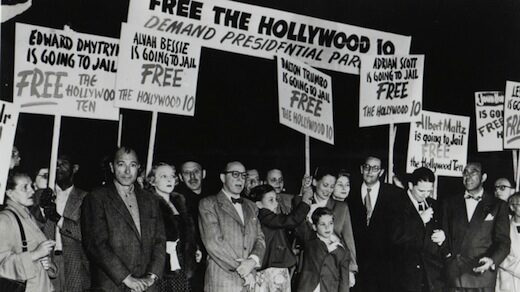
The PCA’s involvement raised some concerns about Catholic influence in Hollywood. However, Catholics saw it as a form of “Catholic Action” – working within institutions to promote their values. The code aimed to keep films family-friendly and quintessentially American while avoiding government intervention.
Judging the success of the Hays Code is tricky. While it did prevent overt affronts to Catholic morality, films like Frank Capra’s “It Happened One Night” still managed to tell compelling stories of love and honor within the code’s constraints.
The PCA’s influence resulted in a blend of conservative ideals and dramatic flair on the silver screen, creating a unique balance between moral messaging and entertainment in Hollywood’s golden age.
The Hays Code in Action
The Hays Code came with a long list of dos and don’ts for filmmakers. Under Joseph Breen’s leadership, the Production Code Administration (PCA) scrutinized every aspect of film production to ensure compliance.
Some key restrictions included:
- No interracial romance
- Crime couldn’t be shown in detail or glorified
- Sensuality and suggestive dancing were limited
- Close embraces had to be carefully choreographed
The PCA reviewed scripts before shooting and gave final approval with their seal. This process often led to creative workarounds, as filmmakers found subtle ways to convey adult themes and complex stories within the code’s boundaries.
While some viewed these restrictions as stifling, others argue they fostered a unique kind of creativity. Filmmakers had to rely on suggestion, innuendo, and clever storytelling to explore mature themes without explicitly showing them. This era of constraint paradoxically produced some of Hollywood’s most beloved and enduring classics.
Impact on Film Content
The Hays Code significantly shaped film content in the 1940s. Stories had to strike a careful balance between drama and virtue, avoiding anything too provocative or morally ambiguous.
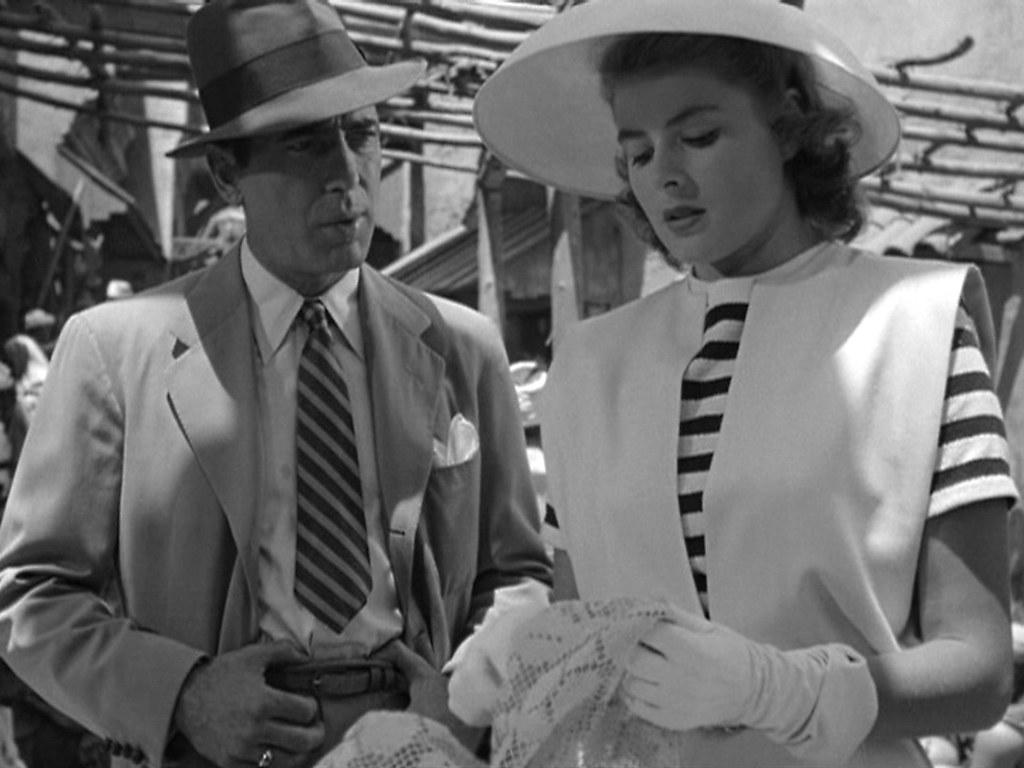
“Casablanca” (1942) exemplifies this balance. The romance between Rick and Ilsa remains chaste, focusing on longing and melancholy rather than overt passion. This approach produced some of cinema’s most iconic and quotable lines.
Film noir thrived under these constraints. “Double Indemnity” (1944) explored themes of murder and deceit, but ensured wrongdoing was ultimately punished. Directors like Billy Wilder became adept at creating suspense and moral complexity within the code’s boundaries.
Comedy also adapted to the code’s requirements. Charlie Chaplin’s “The Great Dictator” (1940) used humor to address serious topics, allowing for social commentary while remaining within acceptable limits.
The code’s influence encouraged a unique form of storytelling. Filmmakers had to be inventive, relying on subtext, symbolism, and clever dialogue to convey complex ideas. This resulted in films that were both entertaining and thought-provoking, often with layers of meaning for attentive viewers to unpack.
Resistance and Loopholes
Clever filmmakers found ways to work around the Hays Code’s restrictions. They developed an arsenal of techniques to tell compelling stories while technically adhering to the rules.
Innuendo and double entendres became a staple of dialogue, allowing for suggestive content to slip past censors. Alfred Hitchcock was a master of this approach, as seen in “Notorious” (1946), where he used creative camera work to extend a kiss scene beyond the usual time limit.
Symbolism played a crucial role in conveying deeper themes. In “The Maltese Falcon” (1941), the titular object represents greed and corruption without explicitly showing immoral behavior.
Visual storytelling through lighting, shadows, and composition allowed directors to create mood and tension without relying on overt content. Film noir particularly excelled at this, with movies like “Laura” (1944) using expressive visuals to build atmosphere.
Music and sound design became powerful tools for conveying emotion and subtext. Composers like Bernard Herrmann could underscore forbidden attraction or inner turmoil through their scores.
Actors added depth to their performances through subtle gestures, glances, and timing. This allowed them to convey complex emotions and motivations that might not have been permissible in the script.
By employing these techniques, filmmakers of the 1940s created a rich tapestry of stories that engaged audiences on multiple levels. They found creative freedom within the code’s constraints, producing films that remain compelling and influential to this day.
The Role of External Influences
In Hollywood’s creative journey during the Hays Code era, various external forces played a significant role in shaping the cinematic landscape. Religious groups, government agencies, and public opinion all had a hand in influencing how stories were told on screen.
Religious groups, particularly the Catholic Church, exerted considerable influence over Hollywood’s content. Through organizations like the Legion of Decency, they scrutinized films for moral content and encouraged moviegoers to avoid those deemed indecent. Joseph Breen, head of the Production Code Administration, often found himself aligned with these religious influences, steering cinema towards moral propriety.
Government involvement also played a part, especially during World War II. The establishment of the Office of War Information marked a moment where the government sought to guide the portrayal of wartime events in films. Their goal was to boost patriotism and American unity in the face of international challenges.
Public opinion was equally important in shaping Hollywood’s output. Communities across America weren’t shy about voicing their thoughts on what constituted wholesome entertainment. Films were often followed by lively discussions about their moral implications, reflecting the societal values of the time.
These varied influences created a complex environment for filmmakers. While working within these constraints, they found creative ways to tell compelling stories. Over the decade, filmmakers wove these forces into their work, each film becoming a reflection of America’s moral landscape – respectful of boundaries yet vibrant with possibilities.
Impact of World War II on Hollywood
- Theater owners sponsored bond drives and offered free seats to war bond purchasers
- Newsreels, combat footage, and informative films told the story of America at war
- President Roosevelt called movie theaters a “necessary and beneficial part of the war effort”
- Gradually, more realistic depictions of combat were shown in newsreels and documentaries
The portrayal of enemies in films during this time was particularly noteworthy. In cartoons, enemies were often caricatured to an extreme degree. As Doherty points out in his book, “Hollywood believed villains were more compelling to audiences.” This led to exaggerated portrayals of figures like Hitler and Tojo, sometimes even depicting them as animals or vultures.
"The easiest way to inject a propaganda idea into most people's minds is to let it go in through the medium of an entertainment picture when they do not realize that they are being propagandized." – Elmer Davis, head of the Office of War Information
This quote underscores the subtle yet powerful role movies played in shaping public opinion during wartime. The influence of cinema was so profound that Army Chief of Staff General George Marshall considered motion pictures one of the two most important new weapons developed during the war, alongside the airplane.
The Hays Code era shaped films into vessels of propriety and subtle rebellion, leaving a lasting impact on storytelling. This period reminds us that even within boundaries, art finds its voice, balancing restraint and expression in fascinating ways.
The end of the Hays Code in 1968 marked a significant shift in American cinema. The introduction of the MPAA ratings system allowed for more creative freedom while still providing guidance to viewers. This transition reflected broader changes in American society and set the stage for the diverse and challenging films that would emerge in the following decades.
Looking back, the Hays Code era serves as a testament to the power of cinema in shaping cultural norms and the ongoing dialogue between art, morality, and societal expectations. It remains a fascinating chapter in the history of American film, demonstrating how creative expression can thrive even under the most stringent constraints.