
The Rise of Swing and Big Band Music
In the 1940s, swing and big band music set the nation’s rhythm. Duke Ellington and Benny Goodman became household names, their tunes spinning on records in living rooms and filling dance floors. Ellington’s sophisticated jazz compositions captured the spirit of an America in both turmoil and triumph. Goodman, the “King of Swing,” electrified audiences with his clarinet, blending tight rhythms and explosive solos that made swing music accessible and exciting.
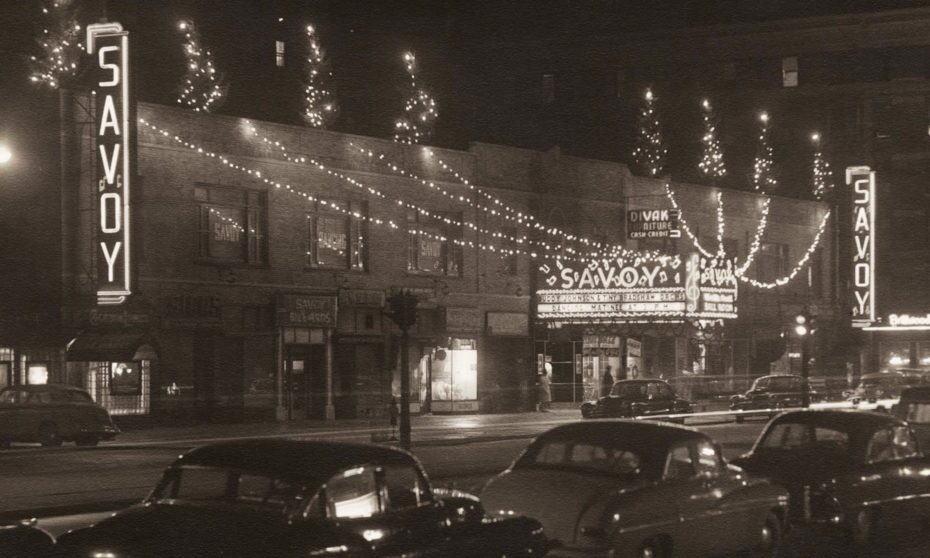
During the Great Depression, swing provided a much-needed escape. Harlem’s Savoy Ballroom became an epicenter of dance culture, birthing the Lindy Hop. These dance floors offered a break from economic hardship, uniting diverse crowds under one roof.
As the American Federation of Musicians strike of 1942 halted new recordings, vocalists like Frank Sinatra emerged as stars. Yet even as pop crooners rose to prominence, the nostalgia for big band music lingered, its brass-heavy arrangements echoing through memory and melody.
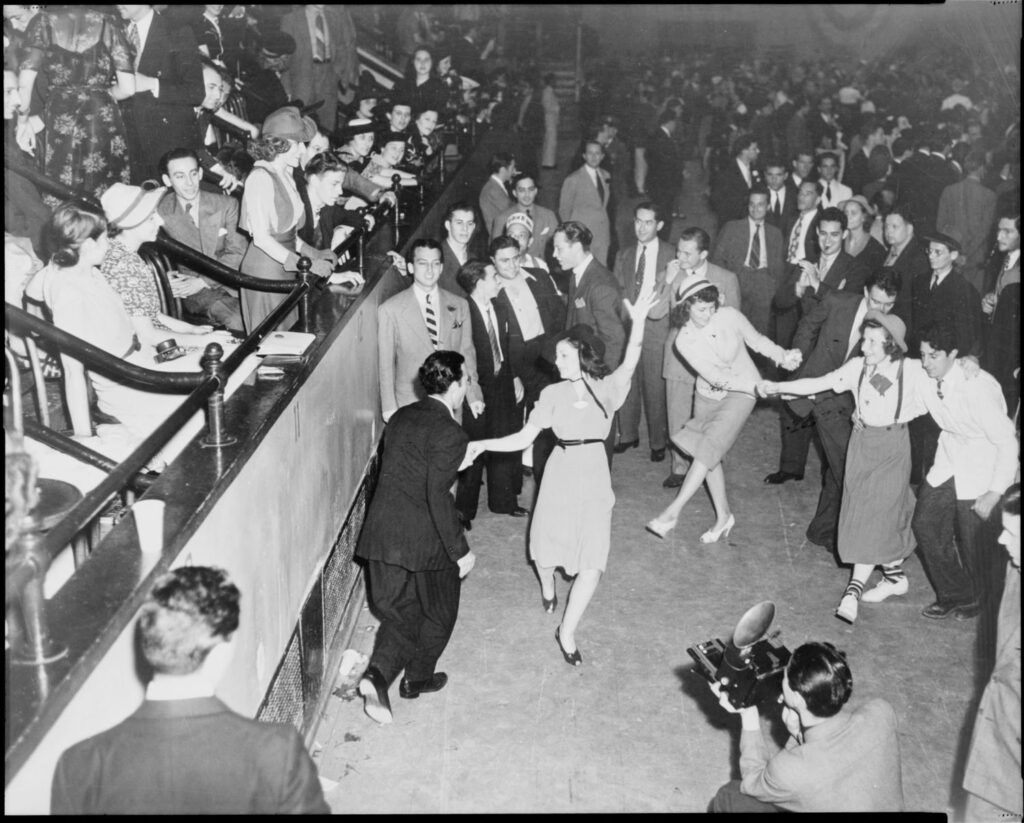
Swing got people moving—literally! Ballrooms across the country buzzed with energy, each step showcasing swing’s infectious nature. Dance crazes like the jitterbug and Charleston allowed everyone to feel like a star, reinforcing American ideals of unity and diversity through physical expression.
The legacy of swing and big band music is undeniable, planted firmly in both historical memory and ongoing revival efforts. Its echoes are felt in today’s dance halls and heard in the passionate wails of brass instruments, a testament to music’s power to uplift a nation, a community, or even a single soul.
Swing Dance Styles and Techniques
The 1940s saw swing dance emerge as a movement of rhythmic expression. Let’s explore some popular styles that defined the era:
- The Lindy Hop: Born in Harlem’s Savoy Ballroom, it blended partner and solo movements with improvisation and syncopated rhythms. Its signature “swingout” move combined grace with energy, twirling partners outward in an exhilarating embrace.
- The Jive: This high-energy style took swing’s liveliness up a notch with quick steps and spirited kicks. It demanded stamina and spirit, with partners engaging in a playful back-and-forth to keep the rhythm electric throughout the night.
- The Balboa: Originating in Southern California, it offered a more intimate and subdued style. It featured a tight closed embrace and intricate footwork, allowing dancers to glide across crowded floors with understated elegance.
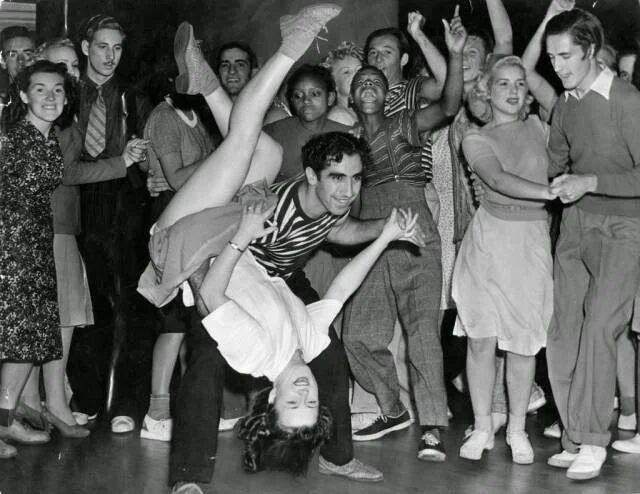
Each style emphasized connection, whether through the vigorous spins of the Lindy or the tight pivots of Balboa. Dancers relied on nonverbal cues, showcasing music’s power to unite.
The dance floor mirrored swing music itself, blurring boundaries and celebrating individuality through shared joy. As partners moved in sync or broke into instinctual solos, they reflected the era’s interplay of independence and togetherness.
Today, these swing styles continue to captivate dancers, offering a chance to experience the same sense of liberation felt under those old ballroom lights. Through each step and shuffle, swing dance remains a vibrant celebration of both past and present, bringing people together in a joyous rhythm of life.
The Decline of the Swing Era
As the 1940s progressed, a combination of factors led to the gradual fading of swing’s popularity:
- World War II: Swing tunes were used to boost troop morale overseas. Glenn Miller’s Army Band became a staple for American GIs. However, by war’s end, these once-uplifting melodies had become bittersweet reminders of a difficult time.
- The Cabaret Tax of 1944: This tax claimed 30% of revenue from venues offering public dancing and live music, dealing a heavy blow to swing nightclubs. Many could no longer afford full orchestras, shifting focus to smaller bebop ensembles.
- The Musician’s Strike of 1942: This disrupted the swing scene by halting commercial recordings, inadvertently thrusting vocalists like Frank Sinatra into the spotlight as record companies pivoted their focus.
Meanwhile, younger generations were drawn to new musical styles. Bebop challenged listeners with complex harmonies and unorthodox rhythms, while rock ‘n’ roll, led by artists like Elvis Presley, captured youthful energy with its raw sound and rebellious spirit.
These socio-economic factors and evolving musical tastes steered swing away from the cultural forefront. However, it never fully disappeared, living on through revival efforts and modern reinterpretations. Swing’s influence can still be heard in countless genres, a beloved chapter in the story of American music that continues to inspire dancers and musicians today.
Revival and Modern Influence
Today, swing music continues to resonate, blending history with the present. Passionate revivalists have brought swing dancing back into modern consciousness, ensuring its rhythms pulse through contemporary music and dance culture.
Worldwide, from New Orleans to Seoul, swing enthusiasts gather to celebrate this vibrant genre. These events often mix classic swing with fresh twists, attracting people from all walks of life. Lindy exchanges and swing festivals unite dancers globally, preserving traditional forms while encouraging innovation.
Modern swing dance events have become hubs for cultural exchange. Instructors teach newcomers beloved dances like the Lindy Hop, Balboa, and Charleston, fostering a sense of community reminiscent of the bustling ballrooms of the past.
Swing’s influence extends beyond the dance floor, weaving into modern music. Contemporary artists occasionally incorporate its energetic rhythms and instrumentation into new compositions, uniting generations and allowing swing’s legacy to ripple through genres from electro-swing to retro-inspired bands.
As dancers twirl to blends of classic and new melodies, they embody a cultural nostalgia while shaping the genre’s future. This demonstrates swing’s timeless appeal and capacity for connection in a changing world.
Whether through vintage dance showcases or modern music festivals, swing continues to play a vibrant role in our shared cultural experience. Like the powerful sounds of a big band, swing music and dance march forward, hand in hand with a rich past, promising future delights for enthusiasts of all ages.
Swing and big band music, with its infectious rhythms and cultural significance, remains a testament to the power of music to unite and uplift. Its enduring legacy continues to inspire and connect people across generations, celebrating both its historical roots and modern-day revival.
- Ellington D. It Don’t Mean a Thing (If It Ain’t Got That Swing). Brunswick Records; 1932.
- Goodman B. Stompin’ at the Savoy. RCA Victor; 1936.
- Basie C. One O’clock Jump. Decca Records; 1937.
- Barnhart S. The Count Basie Orchestra. Concord Jazz; 2024.