
Prominent Actresses of the 1940s
Ingrid Bergman redefined Hollywood stardom during the 1940s with her charm and talent. The Swedish-born actress captured international attention with her range of roles, most notably as Ilsa Lund in Casablanca. Her collaborations with Alfred Hitchcock in films like Spellbound and Notorious further cemented her status as a versatile performer.
Bette Davis was known for her incredible acting range and willingness to play unsympathetic characters. Films like Now, Voyager and The Little Foxes showcase her ability to bring depth to complex roles, pushing the boundaries of female representation in Hollywood.
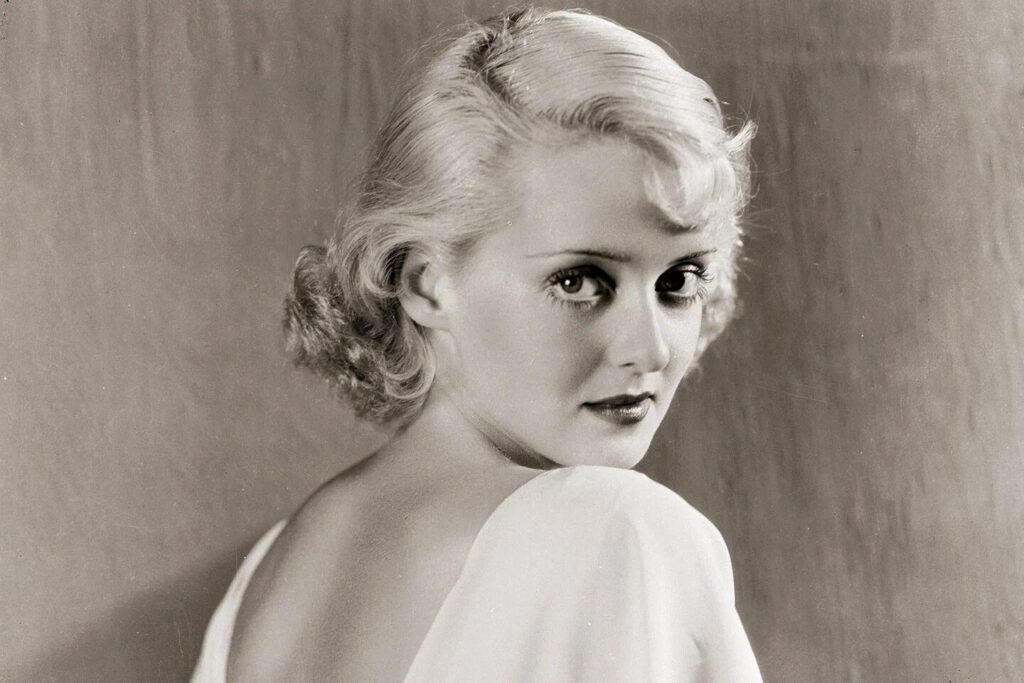
Rita Hayworth embodied the quintessential femme fatale, especially in movies like Gilda. Her charisma and confidence, along with her signature red hair and dance sequences, captured the essence of 1940s Hollywood glamour. Hayworth’s versatility was evident in her musical collaborations with Fred Astaire.
Joan Crawford brought intensity and fire to her characters. Her Academy Award-winning performance in Mildred Pierce demonstrated her ability to portray women facing life’s challenges with determination. Crawford’s commanding presence and theatrical flair brought her characters to life on screen.
These actresses not only delivered lines but pushed the boundaries of what it meant to be a leading lady in Hollywood. Their performances left lasting marks on the cinematic landscape, inspiring generations of performers to follow.

Leading Actors of the 1940s
Humphrey Bogart epitomized the film noir genre with his rugged persona. In films like Casablanca and The Maltese Falcon, he crafted an image of the world-weary yet romantic figure, resonating with post-war audiences. Bogart’s influence extended far beyond his stoic countenance.
Cary Grant brought charm and sophistication to the screen, offering a counterpoint to tougher roles. His versatility shone in screwball comedies and suspense thrillers alike. Grant’s performances in Notorious and The Philadelphia Story showcased his range, captivating audiences with his effortless ease and impeccable timing.
James Stewart captured hearts with his everyman charm and relatable sincerity. His role in It’s a Wonderful Life remains a testament to his ability to merge vulnerability with resilience. Stewart’s performances often blended integrity, humor, and a touch of boyish naivety, reflecting an era fascinated by the depth of the human spirit.
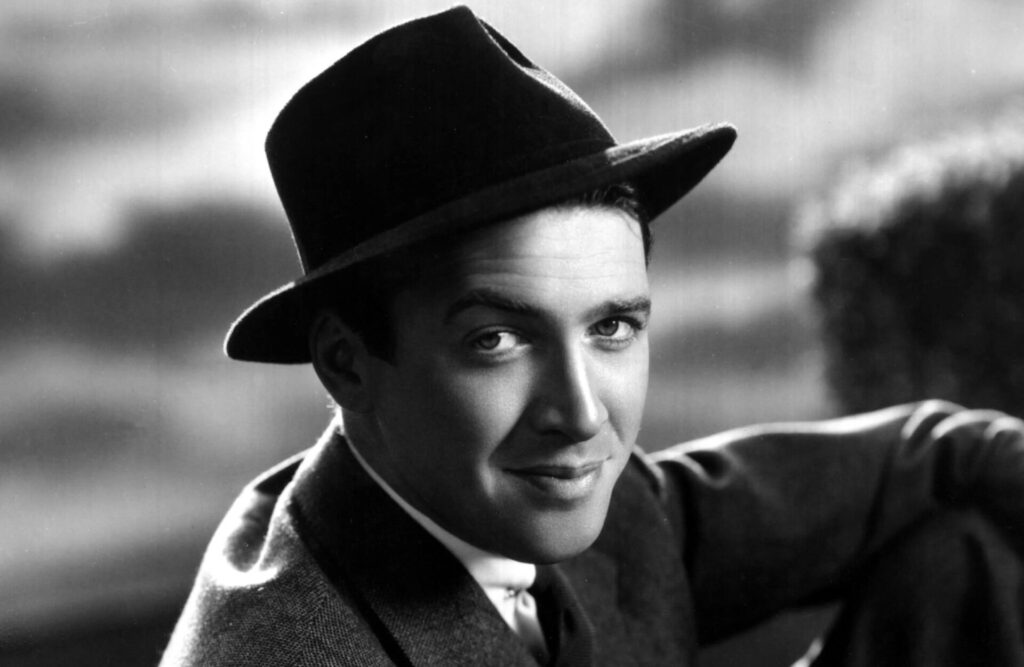
These actors contributed distinct styles to 1940s cinema, crafting characters that both entertained and reflected society. Through their art, Bogart, Grant, and Stewart influenced the evolution of the Hollywood leading man, steering cinematic expression into new territories of emotional complexity.
The Studio System and Its Stars
In the 1940s, the studio system was the heart of Hollywood, shaping stars and producing films that became part of American culture. Major studios like MGM, Warner Bros., and Paramount held significant control over their contract players, dictating many aspects of their professional lives.
Stars were bound by exclusive contracts, often lasting seven years. These contracts offered stability and fame but limited artistic freedom. Studios carefully curated their stars’ images, casting them in roles that reinforced their marketability. For example, Judy Garland became synonymous with musical extravaganzas under MGM’s guidance.
Executives fine-tuned actors’ skills and personas to match intended screen characters. Some actors thrived under this system, while others felt constrained by typecasting. Bette Davis was frequently cast in roles highlighting her sharp wit, while John Wayne often portrayed the archetypal American hero.
Studios excelled at promotion, using publicity machinery to keep their stars in the public eye. They orchestrated:
- Premieres
- Press releases
- Managed aspects of stars’ personal lives
The studio system also served as a talent incubator, training actors in various performing arts. This support helped many performers hone their craft, though it reinforced the prepared image studios wished to project.
Despite its constraints, the studio system was crucial in creating and maintaining Hollywood’s mystique. It continuously supplied glamour and spectacle that defined the era, shaping perceptions of stardom and establishing enduring legacies.
Cultural Impact of 1940s Cinema
The cinema of the 1940s was a potent cultural force that shaped and reflected the era’s zeitgeist. During World War II, films served as both refuge and reinforcement for audiences seeking solace and solidarity.
Fashion was heavily influenced by movie stars. Women across America emulated the styles of actresses like Katharine Hepburn and Rita Hayworth. Hepburn’s preference for trousers subtly challenged fashion norms, while Hayworth’s glamorous look in Gilda inspired evening wear trends.
Cinema mirrored and molded societal shifts. Leading men like Spencer Tracy and James Stewart presented complex male archetypes that differed from traditional figures, resonating with post-war audiences grappling with change.
Films played a crucial role in maintaining morale during wartime, offering stories that celebrated courage and resilience. Hollywood stars engaged in USO tours, performing for troops and appearing in films that provided both distraction and inspiration.
The interaction between cinema and audience reflected a deeper symbiosis, exploring themes of reintegration and aspiration in post-war America. The screen served as a canvas for new narratives, influencing:
- Fashion
- Societal norms
- Entertainment ethos
1940s cinema was more than spectacle; it was a shared experience that drew disparate threads of the nation into a cohesive cultural story. Its impact echoed beyond theaters, contributing to a reshaped cultural dialogue that celebrated unity in diversity.
Memorabilia and Legacy
The preservation of 1940s Hollywood memorabilia provides a tangible connection to this golden age of cinema. Artifacts like costumes and personal items offer insights into the lives of iconic figures and the era’s aesthetics.
Exhibits showcasing costumes worn by stars like Cary Grant and Judy Garland allow audiences to experience the glamour of the era up close. Personal items, such as Mae West’s telephone or Jean Harlow’s perfume bottle, offer glimpses into the everyday lives of these larger-than-life personalities.

Collections of letters, annotated scripts, and studio promotional materials tell stories that may not have made it to the public eye. Each artifact serves as a window into a world of innovation and creativity.
Dedicated collectors and curators play a crucial role in preserving these treasures for future generations. Exhibits like “Meet the Stars” explore the intricacies of studio history and showcase significant pieces from the era.
"We thought it would be fun to actually go out to collectors and ask them what they've got," said co-curator Darin Barnes, who collects Norma Shearer artifacts. "They never have an opportunity to get to display their stuff. So, we went out to about 20 collectors, and this is the result of it."
These preservation efforts maintain a connection to the past, acknowledging the ongoing impact of these stars and their stories on our cultural landscape. By sharing this rich history through memorabilia and collections, we ensure that the legacy of Hollywood’s Golden Age continues to inspire and illuminate.
As we reflect on 1940s cinema, it’s clear that the era’s stars and stories continue to resonate today. Their influence extends beyond entertainment, shaping cultural narratives and leaving an enduring legacy. The magic of this golden age lies in its ability to connect us with a past rich in creativity and emotion, reminding us of the timeless power of storytelling.
- Chakiris G. Quoted in: Hollywood Heritage Museum exhibit “Meet the Stars: 100 Years of MGM Studios and the Golden Age of Hollywood”. Los Angeles, CA; 2023.
- Schneider A. Quoted in: Hollywood Heritage Museum exhibit “Meet the Stars: 100 Years of MGM Studios and the Golden Age of Hollywood”. Los Angeles, CA; 2023.
- Gerber M. Quoted in: Hollywood Heritage Museum exhibit “Meet the Stars: 100 Years of MGM Studios and the Golden Age of Hollywood”. Los Angeles, CA; 2023.