
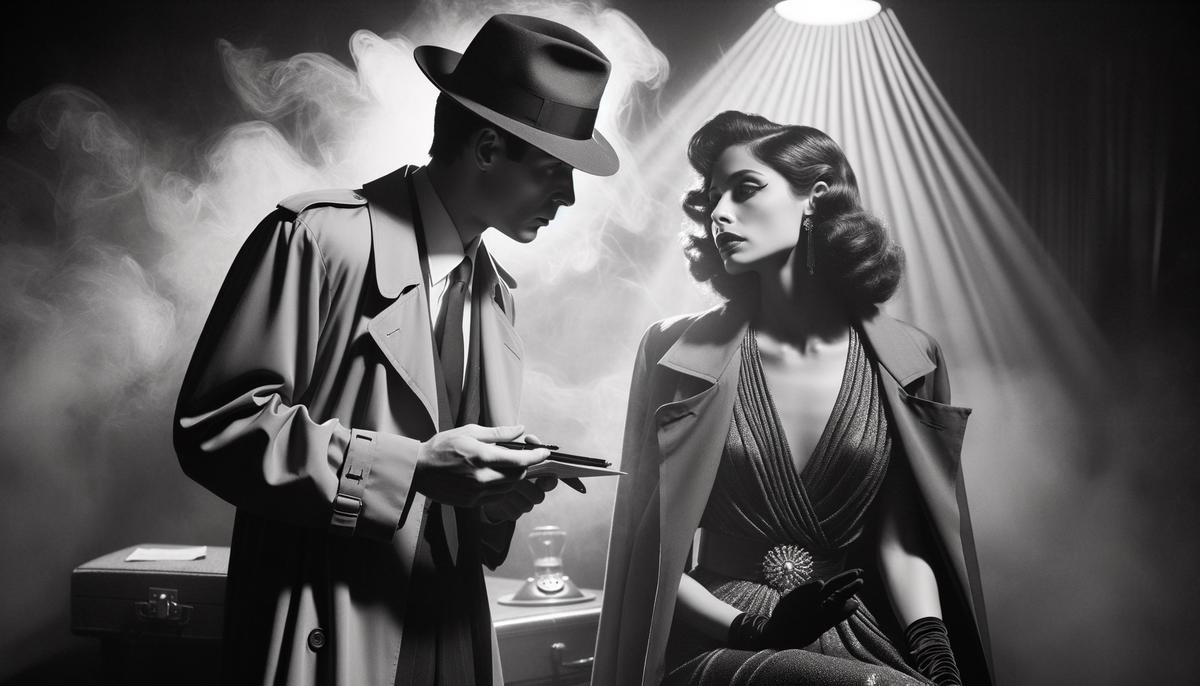
In a dimly lit room, with rain gently tapping on the windows, I sit in front of the flickering glow of a 1940s classic. There's magic in how these old films bring black-and-white images to life, sweeping me into a dance of nostalgia and timeless charm. The crackle of the film projector fills the air—an old symphony that goes with the heroic acts and dramatic stories of a past era, pulling me deeper into a world where shadows and light weave tales as rich today as they were back then.
The appeal of 1940s movies isn't just in their stories but in how they feel like a warm hug, much like reading an old diary full of youthful dreams and hope. The simple, clear dialogue and elegance of these films make the world feel gentler, offering a nice escape from today's busy life. I can't help but cheer as the dashing leading man—cocky grin and all—wins over not just his leading lady but my heart too.
It's the little details that grab me: the swish of a satin gown, the playful lift of a character's hat, a well-timed joke that makes me laugh even though I've heard it many times before. These moments wrap around me like a cozy blanket, making me feel part of a big movie family where each character shares tales of love, adventure, and strength through beautiful camera work.
As the story unfolds, with twists that are as predictable as they are delightful, I marvel at how these films still connect across generations. They whisper secrets in a universal language of longing and triumph, painting pictures of human nature with humor and wisdom that go beyond time.
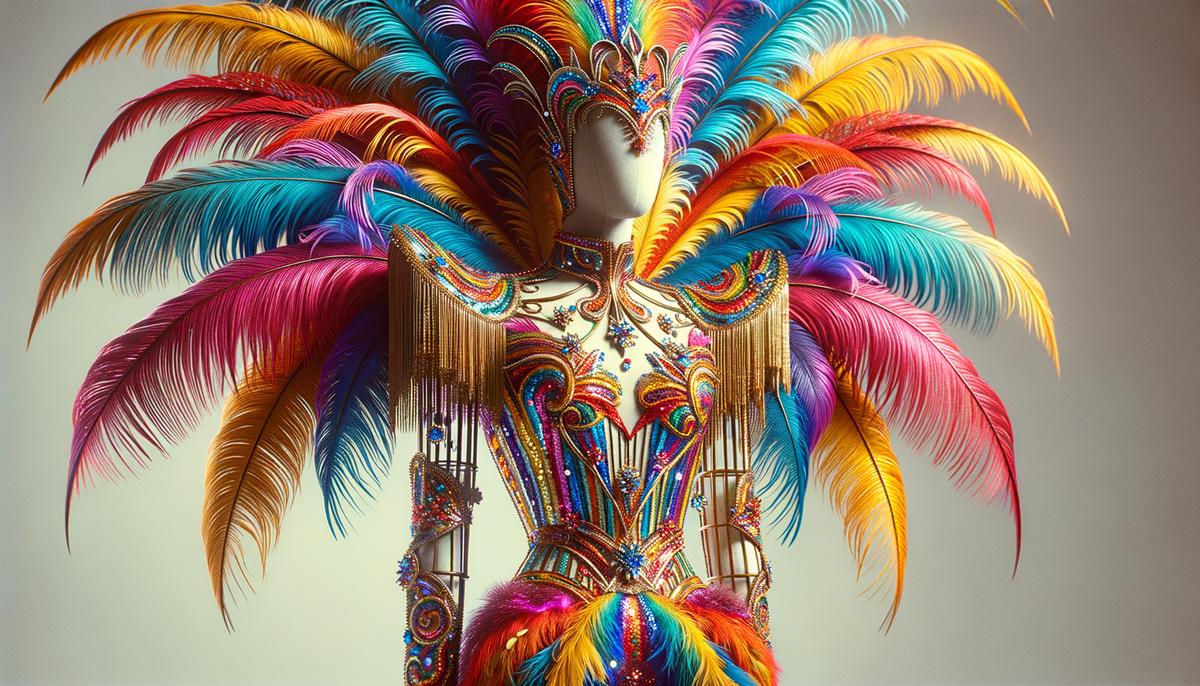
As the lights dim and the film turns into a dazzling color dream, I'm struck by the vivid scenes that unfold before my eyes. The jump from black-and-white to bright colors feels like stepping into an artist's lively canvas, where every stroke brings life to the screen. Each frame is a feast for the eyes:
- Deep reds that seem to pulse with feeling
- Rich greens whispering secrets of hidden worlds
- Fiery golds that shimmer with the promise of magic
Camera work in the 1940s took bold steps, using color technology to turn stories into something spectacular. The way the camera moves guides the audience through tales that paint dreams in brilliant color. The clever use of light and shadow creates worlds that are both larger-than-life yet familiar—worlds where imagination dances freely and stories spring forth like a well of endless possibilities.
It's hard not to be captivated by the era's costumes, each piece carefully made to tell its own tale through fabric and design. From elegant ball gowns sparkling with sequins to sleek, well-fitted suits, the clothes offer glimpses into the glamour and dreams of a generation. The swishing skirts and polished lapels seem alive, moving and whispering faint echoes of stories lost in time.
The set designs are just as enchanting, each detailed backdrop more than just a setting but a living, breathing character in its own right. Grand mansions with sweeping staircases inspire awe, busy cityscapes pulse with energy, and peaceful countryside scenes beckon with their calm charm, inviting the viewer to escape into a world where every corner glows with a delightful sense of possibility.
In the comforting glow of a 1940s film, there's magic in how hope and humor mix, dancing across the screen like old friends reunited. These films seem to hold a silent promise—a gentle assurance that, no matter how complicated life gets, there's always room for laughter and light. It's in the clever back-and-forth between characters who find common ground despite their differences, and in the silly comedy that comes from chaotic situations, that these films make space for joy amidst uncertainty.
The films of this time use humor brilliantly to bridge the gap between past worries and future possibilities. For example, in "Bringing Up Baby," Cary Grant and Katharine Hepburn deal with mishaps, from lost leopards to hidden dinosaur bones, with charm and ease. The laughter is catching, creating moments of fun that ripple through the story, offering a delightful reminder that even in the most confusing situations, laughter can light the way forward.
On the other side is hope—the kind that shines through subtle smiles and triumphant endings. Films like "It's a Wonderful Life" show the deep impact of simple, everyday choices, highlighting the often-hidden threads that weave the fabric of community and connection. George Bailey's journey reminds us that every moment, however small, has the power to change things—an uplifting message that speaks to all times.
These stories, with their playful characters and heartfelt tales, create a legacy of optimism that invites viewers to face life's challenges with renewed energy.
The plots might unfold against the backdrop of war-torn nations or tough economic times, but they echo with a strong belief in the human spirit—capturing both the laughter in the here and now, and the promise of a brighter tomorrow.

Timeless Characters of the Silver Screen
As the curtain lifts on the silver screen, a group of familiar characters steps into the spotlight, each representing timeless types that continue to charm audiences. In 1940s films, the charming hero, the witty heroine, and the grumpy sidekick take center stage, forming a bond with viewers that goes beyond time and place.
The charming hero—a figure every bit as dashing as he is brave—captures our imagination with his tireless pursuit of justice and love. Characters like Humphrey Bogart's Rick Blaine in Casablanca remind us that beneath a tough exterior often lies a heart of gold. His strengths and weaknesses make him feel real to those who watch his journey, inspiring each of us to chase our ideals with courage. More than once, I've found myself silently cheering from my seat, urging him on as he moves towards his destiny with unwavering resolve.
Equally compelling is the witty heroine, who glides effortlessly into the story with grace and sharp wit that captivates all who watch her. Margaret O'Brien and Jean Arthur, with their quick comebacks and clever exchanges, turn any scene into a lively back-and-forth, often sparring with their male counterparts in beautifully choreographed verbal duels. She is the clever match, the one who sees through the noise and clutter, finding clarity and humor in the seemingly ordinary. Watching her triumph over hardship with a knowing smile and a flick of her wrist never fails to remind me of the strong women in my own life—those who've faced struggles with a wink and a nod, turning challenges into stories of victory.
The lasting charm of these characters lies in how relatable they are, an amazing ability to mirror the struggles and triumphs we face in our own lives. The friendships and rivalries between the hero and his funny sidekick speak to bonds that last through time—reminding us of the loyal friends who see us through good times and bad. With every comic misstep or wise piece of advice, these characters add lightness to the story, teaching us that laughter, sometimes, is the best medicine for the soul.

In the world of classic Hollywood, where stories unfold with grace and charm, the music playing in the background is far from just an add-on—it is the heart of the narrative, guiding emotion and enriching the film experience with melodies that stay with us long after the final credits. The soundtrack of an era breathes life into every scene, each orchestral swell and gentle tune weaving together a tapestry that lifts the movie journey to an art form.
Imagine the eerie strains of Bernard Herrmann's score for Citizen Kane—a haunting composition that mirrors the film's exploration of power and memory. The music underscores Charles Foster Kane's dramatic rise and fall, each note wrapping around his journey, as if echoing the complex layers of his story. It's a score that leaves a lasting mark, almost like another character in the film, silently threading itself through the scenes with an unspoken dialogue that speaks directly to the heart.
Then there are the stirring tempos of Max Steiner, whose work in classics like Gone with the Wind paints sweeping vistas of emotion—a whirlwind of sound that captures Scarlett O'Hara's unbreakable spirit and the turbulent world she lives in. Each motif and melody flutters through the air like whispers of the past, infusing every glance and gesture with a sense of grandeur and nostalgia.
In the busy streets and romantic landscapes of these movies, music often plays matchmaker to the characters' emotions, as clear in the iconic scores of Casablanca and The Wizard of Oz.
Who hasn't been touched by the tender notes of "As Time Goes By," a song that connects lovers across continents and circumstances, whispering promises of lasting love with every lilting strain? Or the whimsical magic of "Over the Rainbow," where Dorothy's dreams of a life beyond the brown-toned horizons of her Kansas farm find voice in a melody that dances with hope and longing, capturing the boundless possibilities of a colorful dreamscape.

As I sit here, the shadows growing longer around me, thinking about the timeless appeal of 1940s cinema, I find myself warmly caught up in the lasting charm of these films. There's something deeply comforting in knowing that no matter how the world changes, these reels of black-and-white, or those bursting with color, will always remain a cherished part of my life. They are like old friends—steady, reliable, and always ready to take me back to a simpler time whenever life demands a pause.
The films of the 1940s have a remarkable way of connecting us to a shared cultural heritage, whispering stories that go beyond the barriers of time. Maybe it's the innocence, the wit, or the unbreakable spirit captured in every frame that calls out so strongly. These movies have become more than just pastimes; they are love letters from the past, ensuring that the stories, emotions, and lessons of that important decade live on, offering new generations the chance to fall in love with the world through a different lens.
When I watch these films, I see not only the flickering shadows of cinema's golden age but also reflections of myself and the world around me—echoes of the human spirit persevering through comedy, challenge, and triumph.
The lessons they teach, though often wrapped in humor and musical interludes, become clearer with each viewing, as I find familiarity in their storytelling elegance and universal truths.
For those yet to walk down these cinematic paths, I urge you to dive into the stories unfolding from these vintage reels. Discover or rediscover the films that soothe with their simplicity, amuse with their cleverness, and inspire with their depth. Whether you're drawn to the dashing heroes, the spirited heroines, or the ingenious plots, there's a home for everyone within the film embrace of the 1940s.
