
Cultural Significance of 1940s Cookbooks
Cookbooks from the 1940s are time capsules of life during global turmoil. They reveal how people adapted to wartime restrictions while trying to keep meals special. War-imposed rationing shaped many recipes, which often used clever substitutions for scarce items. These books offered guidance on making the most of limited ingredients.
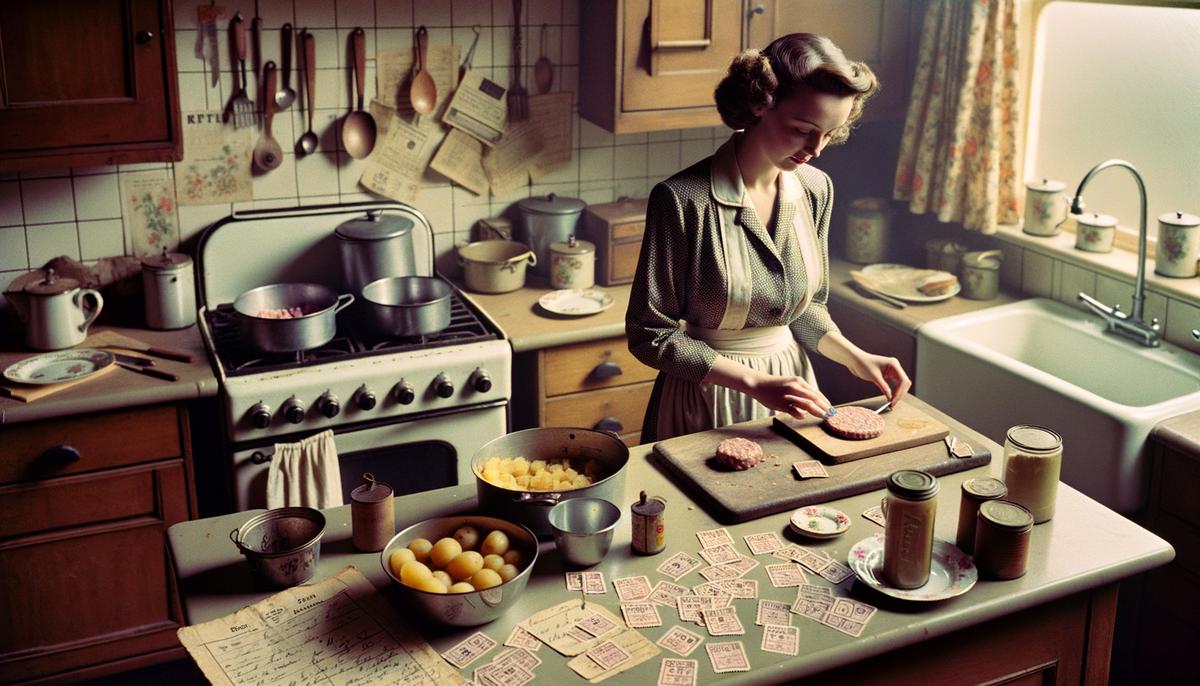
Women in the kitchen wore many hats – homemaker, chef, and economist all in one. They managed their family's nourishment with ingenuity, often using recipes handed down or shared among neighbors. The humble meat-and-potato patty, for instance, wasn't just a dish; it was a testament to stretching scarce resources to feed the family.
The artwork in these cookbooks reflects the aesthetics of the period. Spirals and floral borders adorned pages, while cheerful illustrations lent a warm touch. The language was often peppered with encouraging words, offering a culinary pep talk during trying times.
Each recipe in these vintage tomes offers nostalgia on a plate, providing connections across generations. Like the treasured recipe for raisin cookies sent to sons in service, these dishes were more than food; they were pieces of family love and tradition.
Iconic Recipes and Cooking Techniques
The recipes and techniques in 1940s cookbooks showcase the creative artistry that colored kitchens of the era. Home cooks had to get inventive with rationed ingredients. Honey and corn syrup often stood in for sugar, while applesauce or mashed potatoes replaced eggs and fat. These clever swaps turned baking into a playful challenge.
The hearty casserole became an iconic dish, combining vegetables, grains, and protein into a nourishing meal that could feed a crowd or supply leftovers. Canned goods often starred, enhancing flavors of available produce or embellishing sparingly-used meat.
Cooking methods themselves were lessons in adaptability. Braising cheaper cuts of meat yielded tender results without breaking the budget. Stretching meat with fillers like breadcrumbs and oatmeal resulted in beloved classics such as meatloaf and meatballs.
The era also gave us charming oddities like the Jell-O salad, which cleverly disguised sweet and savory combinations in a single translucent mold. While modern tastes might differ, these colorful concoctions were visual treats and much-loved staples of the time.
With these methods, homemakers infused tradition and practicality into daily life, celebrating the joy of cooking in challenging circumstances. Each simmering pot and whirring oven produced more than just food – it was a statement of resilience and creativity in the face of scarcity.

Collecting and Valuing 1940s Cookbooks
1940s cookbooks are more than just recipe collections; they're windows into an era rich with cultural and historical significance. These culinary manuals offer insights into the societal shifts and innovative spirit that marked the decade.
The collectability of these cookbooks stems from their historical context. As artifacts from a period of global upheaval, they capture wartime ingenuity, showing how homemakers handled food shortages with resourceful flair. Each recipe provides a snapshot of household adaptation and community resilience.
Many of these cookbooks boast delightful artistic value, featuring vibrant illustrations and nostalgic typography. The covers alone can tell a story, their charming visuals reflecting the optimism and determination of the era. Collectors treasure these not just as culinary artifacts but as works of art.
Nostalgia plays a powerful role in their desirability. For some, these pages evoke memories of family kitchens filled with cherished aromas. They serve as tangible ties to family heritage and comforting traditions of home-cooked meals.
When identifying noteworthy editions, collectors often look for rare recipes, unique techniques, or ingredients no longer in common use. Cookbooks with celebrity connections – whether penned by famous chefs or featuring recipes favored by renowned personalities – can also fetch higher prices.
Tips for Aspiring Collectors:
- Look for books with intact pages and minimal wear
- Consider provenance; cookbooks with documented history are often prized
- Keep an eye out for first editions and those with original illustrations
- Rely on reputable sources when purchasing to ensure authenticity and quality
Collecting 1940s cookbooks is like preserving slices of history seasoned with nostalgia and creativity. They reconnect us with a bygone era, reminding us of the enduring spirit that cooked up resilience from rationed ingredients and served it with a smile.
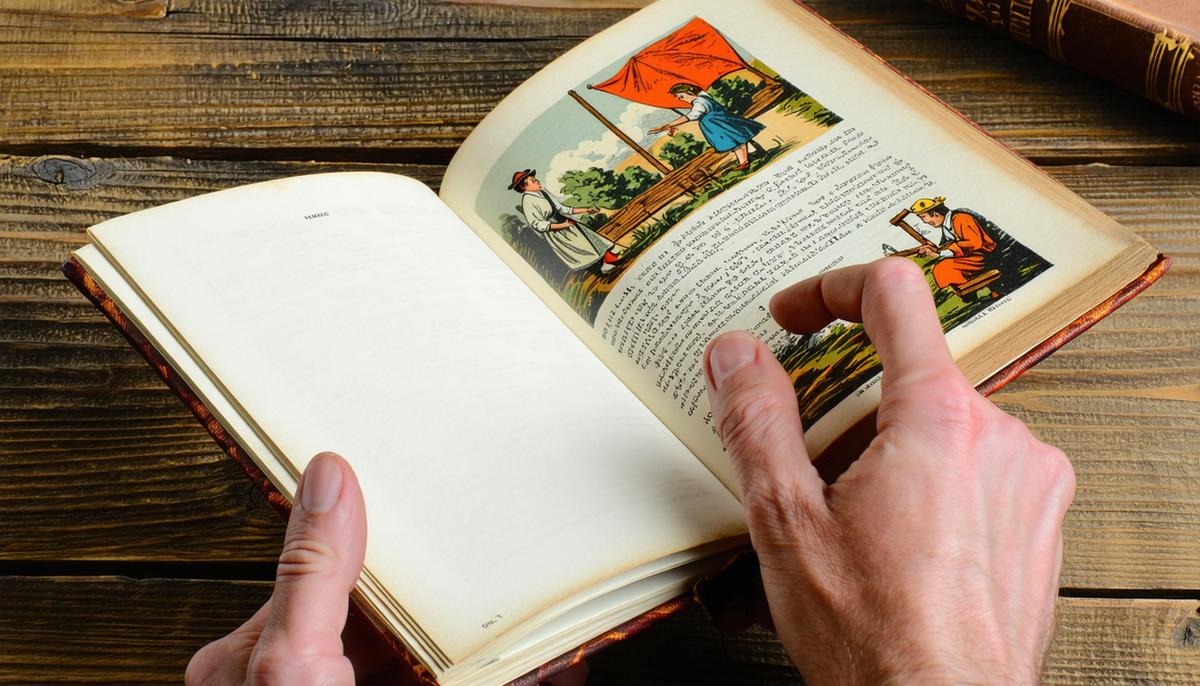
Collecting 1940s cookbooks is like holding a piece of history in your hands, offering a glimpse into the resilience and creativity that defined an era. These books are more than recipes; they are connections to a past where resourcefulness was key, and love was served with every meal.
- Klein G. Meat and Potato Patties. In: Taste of Home. Burlington, Wisconsin.
- Cochenour P. Mom's Soft Raisin Cookies. In: Taste of Home. Williamsport, Ohio.
- Gant B. Bess' Cook book, 400 Original Recipes. Pittsburgh, PA; 1938.
- Pittsburgh Courier. Bess' Secrets 'bout Good Things to Eat. Pittsburgh, PA; 1939-1956.