
Victory Gardens emerged from necessity during the World Wars. Initially a WWI effort to boost food supplies for troops and allies, they evolved into a full-fledged movement by WWII. The U.S. government launched campaigns to address the food crisis, transforming American soil into a patchwork of personal farmland.
The government, businesses, and local communities worked together. Seed companies distributed vegetable packets, encouraging a greener lifestyle. Public education campaigns turned novices into experienced planters.
“Garden for Victory!” became a call to action. Posters urged citizens to start planting. Schoolyards became plots where children learned to tend and till. Civic organizations like the 4-H and Boy Scouts rallied members to take up gardening.
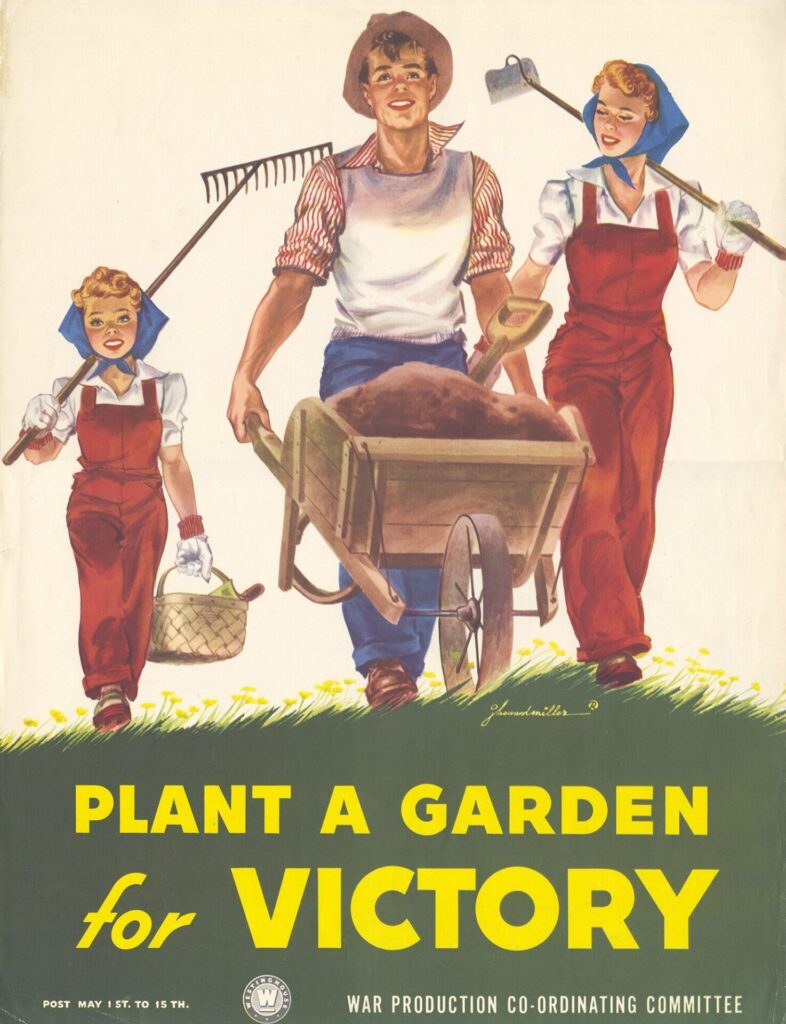
This initiative addressed more than fresh vegetables. It tackled logistics challenges, easing the burden on the transportation system by localizing food production.
By 1944, these home-grown efforts supplied an impressive 40% of the nation’s produce. Roof awnings and windowsills burst with vegetables. Community plots spread into vacant lots, bridging urban areas with rural roots.
Even in Washington, D.C., Victory Garden enthusiasm thrived. Public parks transformed into fertile grounds. Government officials, including President Roosevelt, joined in, influenced by Eleanor Roosevelt’s initiatives on the White House lawn.
The Victory Garden movement became a symbol of a united front—a historical example of a nation’s collective spirit ensuring sufficient resources for all.

Impact on Food Production
Victory Gardens transformed ordinary citizens into agricultural contributors, addressing the wartime food crisis one seedling at a time. Their impact on food production was significant.
- By 1944, Victory Gardens produced 8 million tons of food
- This accounted for 40% of vegetables on American dinner tables
- The effort addressed genuine needs and fostered innovation
These gardens represented more than self-sufficiency; they emerged as a critical solution to rationing and transportation issues. Localized food production allowed families to harvest fresh produce from their doorstep, reducing reliance on strained supply chains.
Unlike today’s distant food sources, these gardens were local champions. This eased pressure on commercial agriculture, which struggled to meet governmental quotas and feed armies abroad. Combined with tin shortages that limited canned goods, the initiative improved morale and rations, making fresh produce more accessible.
Community plots flourished in cities, towns, and rural areas, demonstrating that agriculture extended beyond vast rural expanses. Each plot symbolized resilience, ensuring that despite war’s constraints, every meal was infused with purpose.
The era’s determination manifested not only on distant battlefields but in rows of carefully tended vegetables. It demonstrated what grows when a nation commits to planting seeds of determination—a powerful legacy for those Victory Gardens.
Social and Cultural Influence
Victory Gardens exerted influence beyond their neatly tilled rows. These plots weren’t just spaces for combating food shortages—they were catalysts for social transformation, fostering community spirit and collective resilience.
Neighborhoods buzzed with the mingling of fresh earth and camaraderie. Backyards thrummed with life, both in sprouting seedlings and the friendly chatter of families united in purpose. Victory Gardens evolved into forums for cooperation, where strangers became friends, exchanging gardening tips and life stories over fence posts.
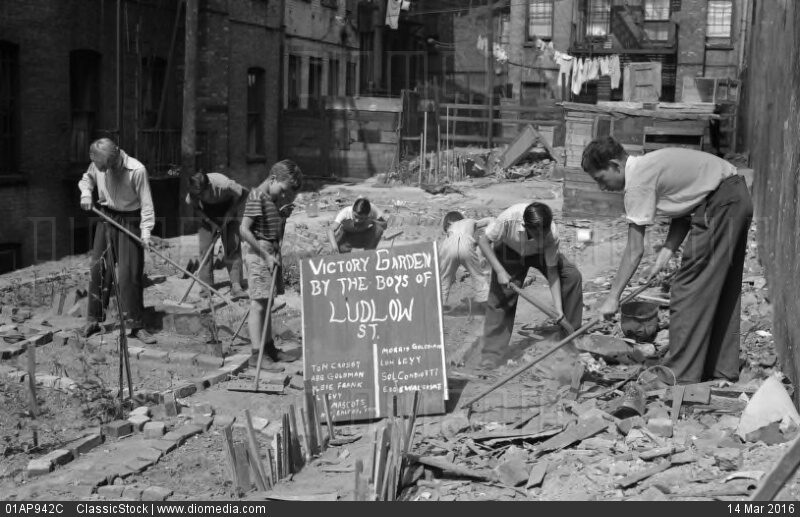
The gardens also acted as equalizers—common ground where socioeconomic divides faded. Here, gardening skills were as valued as academic knowledge or artisanal craftsmanship. Everyone, regardless of status, contributed to the collective harvest.
For families, Victory Gardens had profound effects. Traditional roles shifted as mothers, children, and when possible, fathers worked together in garden beds. During a time when many household heads were defending distant lands, the garden fence enclosed more than vegetables. It nurtured shared achievement and highlighted the strength found in family bonds.
Notably, Victory Gardens provided opportunities for diverse populations to contribute to the national cause. Japanese Americans, confined in incarceration camps, embraced the initiative, transforming desolate plots into vibrant oases of hope. These gardens provided more than fresh food—they represented a reclamation of dignity and resilience against adversity.
The cultural echoes of Victory Gardens resonate with subtle strength. They represent an era defined by selfless sacrifice and invigorated unity, where fresh tomatoes symbolized more than sustenance—they embodied the disciplined fortitude of a nation under pressure.

Even as we navigate modern grocery aisles or farmers markets, the legacy of Victory Gardens endures—a testament to a time when people planted more than vegetables. They sowed hope, resilience, and a shared vision of triumph, leaving an indelible mark on the American experience.
Victory Gardens were more than just plots of land; they exemplified the resilience and unity of a nation during challenging times. These gardens, tended by everyday citizens, provided sustenance and fostered community spirit and shared purpose. As we reflect on their legacy, we’re reminded that even in adversity, collective effort can yield remarkable results.
"If It Grows a Fine Crop of Flowers or Weeds, It's Soil"
This simple wisdom encapsulated the spirit of Victory Gardens, encouraging Americans to make the most of whatever land they had available.
- Bentley A. Eating for Victory: Food Rationing and the Politics of Domesticity. University of Illinois Press; 1998.
- Gowdy-Wygant C. Cultivating Victory: The Women’s Land Army and the Victory Garden Movement. University of Pittsburgh Press; 2013.
- Hayden-Smith R. Sowing the Seeds of Victory: American Gardening Programs of World War I. McFarland; 2014.