
In a world where digital screens often dominate playtime, classic toys that have stood the test of time offer a refreshing alternative. These playthings not only entertained generations but also sparked creativity and imagination in unique ways.
1. Slinkies
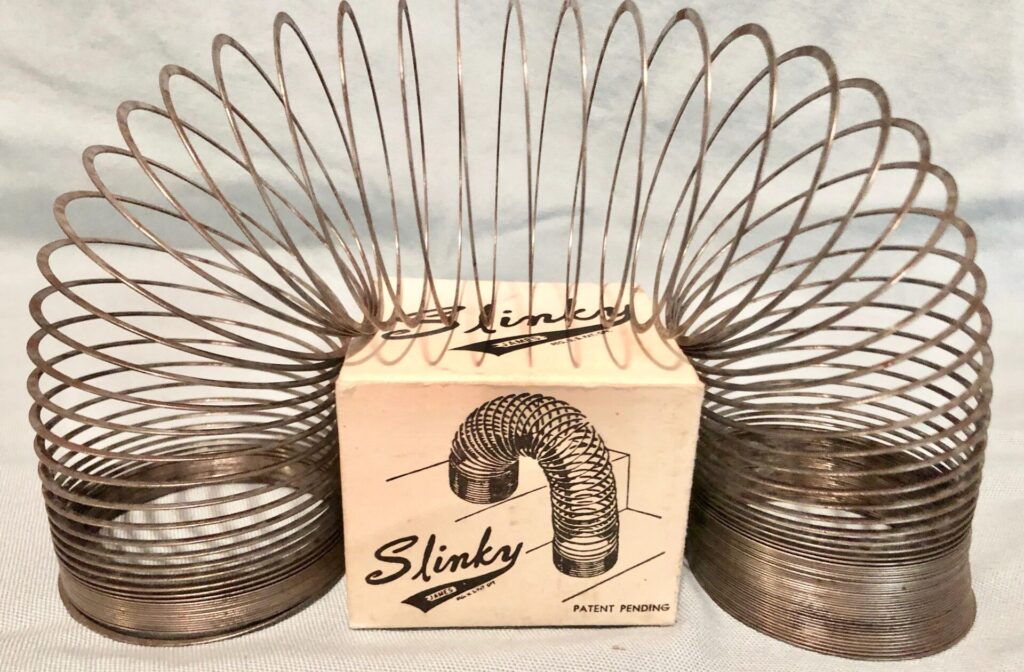
Slinkies, the iconic coiled springs that can walk down stairs, burst onto the scene in 1945. Engineer Richard James accidentally discovered their unique movement while working with springs to stabilize ship instruments. This unintended discovery led to the creation of the Slinky toy.
When Richard and his wife, Betty, demonstrated the Slinky at Gimbels department store in Philadelphia, the first 400 units sold out within hours. Slinkies were affordable and captivating, making them a favorite during the post-war era. The catchy jingle, “It’s Slinky, it’s Slinky,” further cemented the toy’s status in popular culture.
For collectors, vintage Slinkies represent a time when joy came from simple pleasures. Whether displayed or sent tumbling down stairs, a Slinky continues to be a symbol of playful ingenuity.
"Slinky… Slinky… everyone loves a Slinky"
Fun Fact: The Slinky was inducted into the National Toy Hall of Fame in 2000.
2. Legos
Legos began in the late 1940s as simple, interlocking bricks. Despite lacking today’s expansive range of themes, early Legos enthralled young minds with endless possibilities. These original sets inspired creativity, inviting children to build their own imaginative worlds.
The charm of early Legos lay in their simplicity. Children, particularly young boys, could spend hours crafting rudimentary towers, bridges, and cities. The excitement came from seeing a structure take shape with their own hands, fostered by the tactile satisfaction of snapping together plastic pieces.
For collectors today, these original Lego sets hold a special allure. They represent the beginning of a worldwide phenomenon and showcase children’s boundless creativity in an era before digital entertainment.
3. Silly Putty
Silly Putty was accidentally developed during World War II by engineer James Wright while searching for a rubber substitute. This blend of silicone polymers could stretch, bounce, and even pick up images from newspapers. It quickly transitioned from a laboratory blunder to a beloved plaything.
Silly Putty’s charm lay in its versatility. Children could:
- Endlessly manipulate it
- Shape it into curious forms
- Transfer images from the Sunday comics
This unique toy inspired open-ended play and encouraged tactile exploration, offering a break from more structured toys.
For today’s collectors, a vintage egg-shaped container of Silly Putty is a cherished symbol of post-war joy. It serves as a reminder of an era when simple forms of amusement delivered profound delight.
4. Electric Trains
Electric trains, introduced in the mid-1940s, quickly found their way into many homes. These miniature locomotives offered children the chance to build their own networks of tracks, tunnels, and stations. In the post-war era, electric trains symbolized progress and innovation.
Joshua Lionel Cowen, the visionary behind these toys, created more than just a plaything. Electric trains brought fathers and sons together, fostering bonding moments over layouts and strategies. The sound of chugging engines and whistle toots transported enthusiasts to a world of imagination and discovery.
For collectors, vintage electric train sets are cherished artifacts that echo stories of their time. From Lionel’s classic designs to other manufacturers’ craftsmanship, each piece tells its own tale. These sets offer a nostalgic connection to simpler times when families gathered to enjoy the spectacle of a train making its rounds.
Interesting Fact: During WWII, Lionel produced the “Lionel Wartime Freight Train,” an all-paper train set sold for $1 during the 1943 Christmas season due to government restrictions on metal use.
5. Erector Sets
Erector Sets, popular by the 1940s, bridged the gap between fun and education. These sets allowed children to construct mechanical wonders from metal beams, gears, and nuts. Each set came with an instruction manual offering a world of possibilities, from simple bridges to complex cranes.
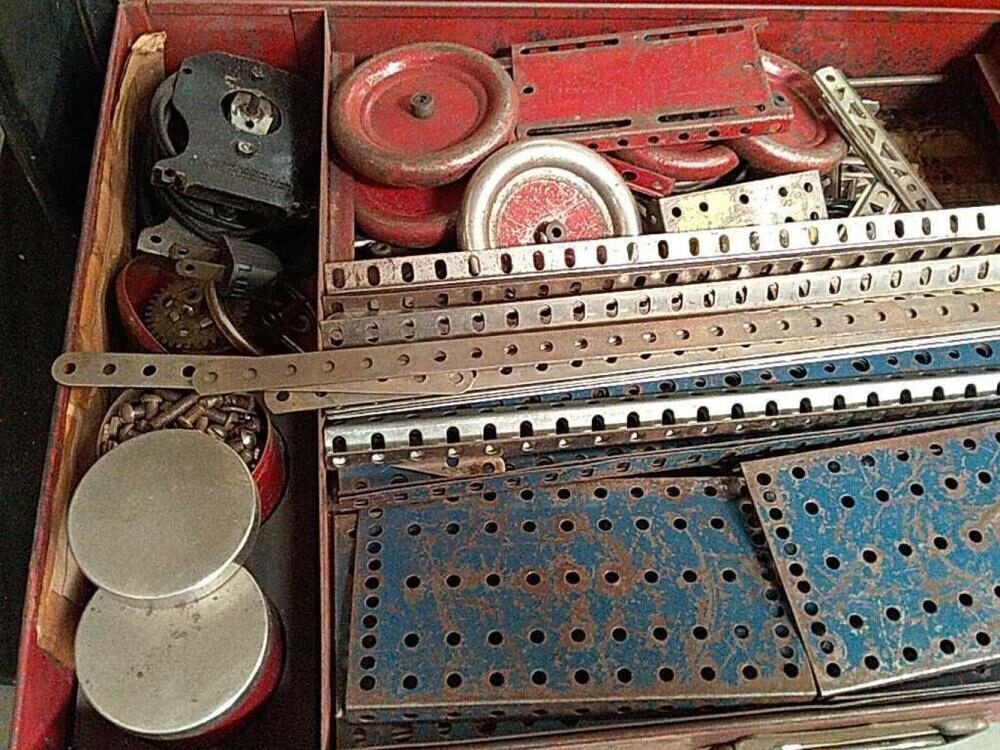
Children learned through trial and triumph, developing problem-solving skills as they built sturdy structures and intricate designs. Erector Sets were more than just a pastime; they were educational tools that introduced kids to engineering principles long before digital simulations existed.
Benefits of Erector Sets:
- Encouraged creativity
- Developed problem-solving skills
- Introduced basic engineering concepts
- Promoted family bonding
- Offered affordable entertainment
Today, collectors value these sets as emblems of an era that celebrated curiosity and craftsmanship. Each vintage piece represents a time when children’s play intertwined with learning lifelong skills. Passing down a well-loved Erector Set becomes a way to share the endless possibilities that arise from persistence and creativity.
These timeless toys remind us of the joy found in simplicity and creativity. They are cherished memories and enduring symbols of playful ingenuity that continue to inspire both young and old alike.
- James A. The History of Toys in America. New York, NY: Vintage Press; 1965.
- Smith B. Collecting Vintage Toys: A Guide for Enthusiasts. Chicago, IL: Nostalgia Books; 1998.
- National Toy Hall of Fame. Slinky Induction. Strong National Museum of Play. 2000.