
Jazz, with its rich blend of sounds and stories, has been shaped by many voices—some celebrated widely, others quietly influential. Each artist adds their own color to the canvas of jazz history, crafting melodies that resonate through time.
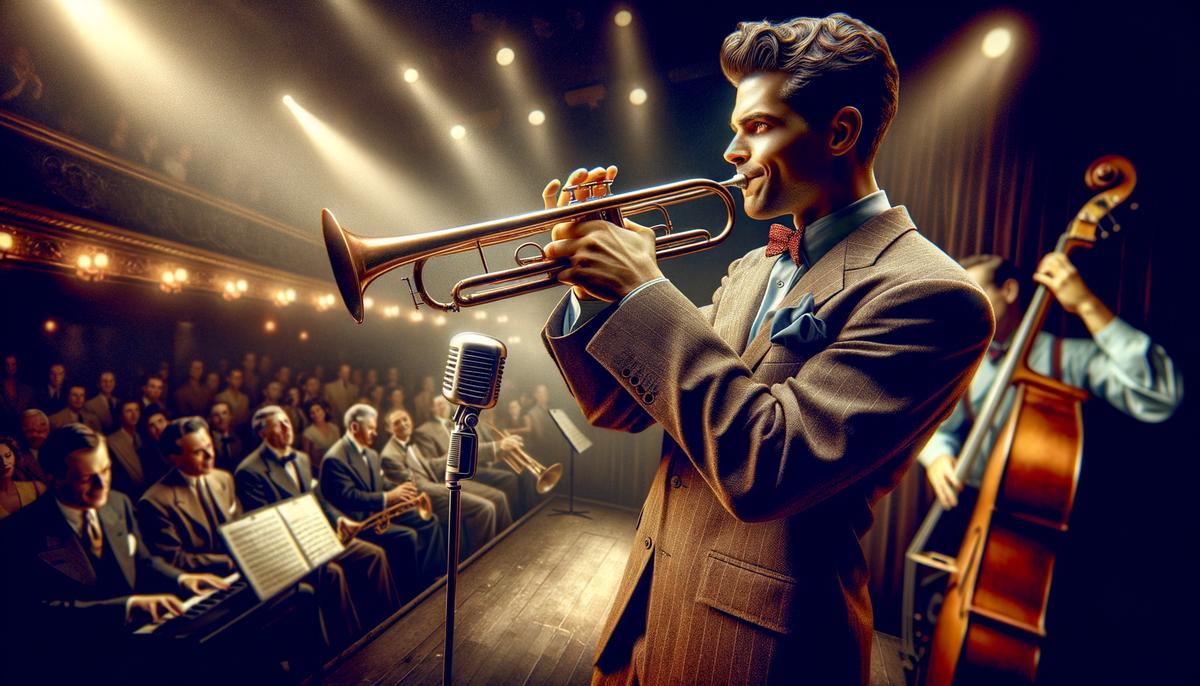
1. Wingy Manone
Wingy Manone, born Joe Manone, was a resilient and talented jazz trumpeter who often remains unsung in musical history. Despite losing his right arm in a childhood accident, he played the trumpet with seamless skill, leaving audiences unaware of his physical challenge.
Manone's career flourished in Chicago's lively jazz scene, where racial barriers melted away in ensemble performances. His brief stint in New York in the 1930s saw collaborations with renowned musicians like Red Nichols. He famously puzzled jazz enthusiasts with his mouthpiece-only trumpet solo on "Corrine Corrina."
Returning to Chicago in 1931, Manone continued to shine. His 1934 recordings showcased a musician deeply in tune with the swing era, combining humor with an infectious musical style. Manone's life and work illustrate a vibrant thread in 1940s jazz history.

2. Louis Prima
Louis Prima was a study in contrasts – wild and charismatic on stage, but a sophisticated musician underneath. This New Orleans native brought the Big Easy vibe to his performances, blending traditional jazz with energetic hometown rhythms.
Prima's career took off when club owner John Popkin discovered him in 1933 and brought him to New York. There, he stood out among other jazz luminaries with his unique flair. His group, the New Orleans Gang, captured the spirit of New Orleans more than its geographical accuracy.
Prima's early work reveals his impressive trumpet skills, especially on fast-paced tracks like "Jamaica Shout." His influence extended beyond jazz, shaping the Las Vegas music scene with his humor and theatricality.
Prima's concerts were experiences – a captivating mix of humor, personality, and impeccable musicianship. Despite his quiet offstage demeanor, Prima's musical footprint is indelibly marked upon the jazz landscape of the 1940s, a testament to his vibrant talent.
3. Putney Dandridge
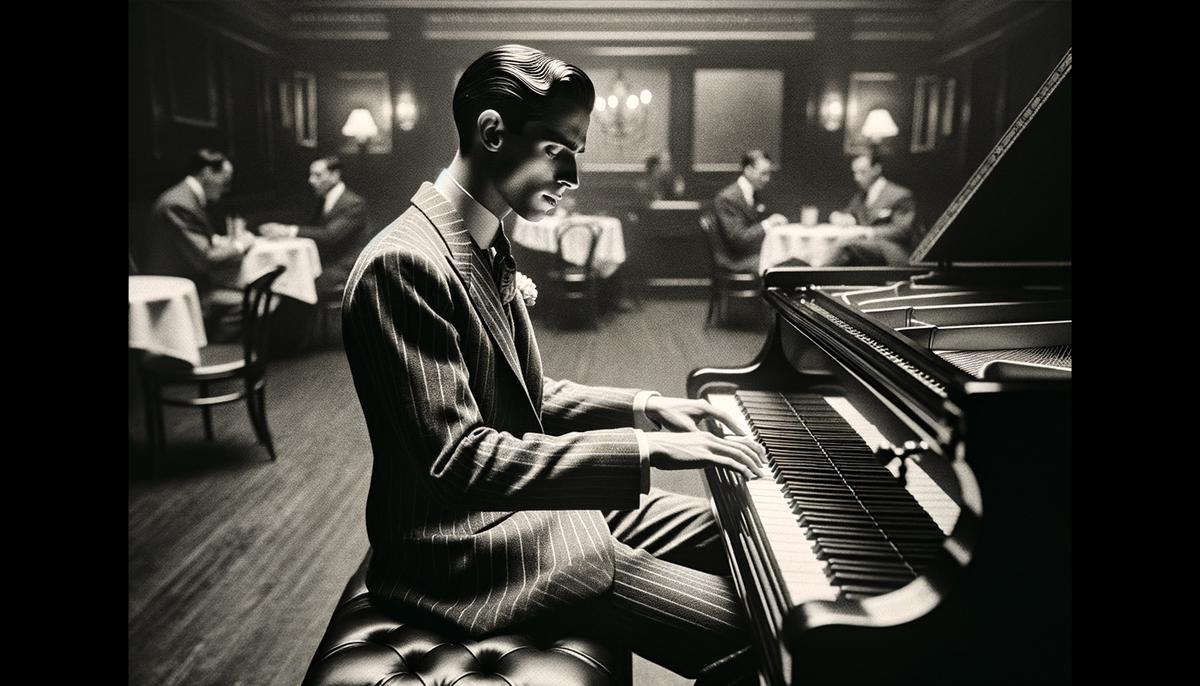
Putney Dandridge carved out his niche in New York's 1930s jazz scene as a remarkable pianist and singer. Born Louis "Putney" Dandridge, he moved from Richmond, Virginia to New York City, where by 1918 he was already making waves, accompanying tap dancer Bill "Bojangles" Robinson and appearing with Adelaide Hall in theatrical revues.
Dandridge's career peaked during his residency at the Hickory House. His smooth vocals and intricate piano playing drew crowds who came for his unique musical stories. He exuded a relaxed sophistication, collaborating harmoniously with some of the greatest jazz talents of the day.
Though his career height was brief, spanning primarily 1935 to 1936, Dandridge recorded influential tracks for Vocalion Records. These captured his ability to fuse melodic swing with emotive vocals, embodying the jazz era's essence.
Despite his musical prowess, Dandridge's name is often overshadowed by his contemporaries. His legacy, though quieter than some, is preserved in recordings that continue to resonate with jazz aficionados who appreciate the nuances of the genre's rich history.
4. Adrian Rollini
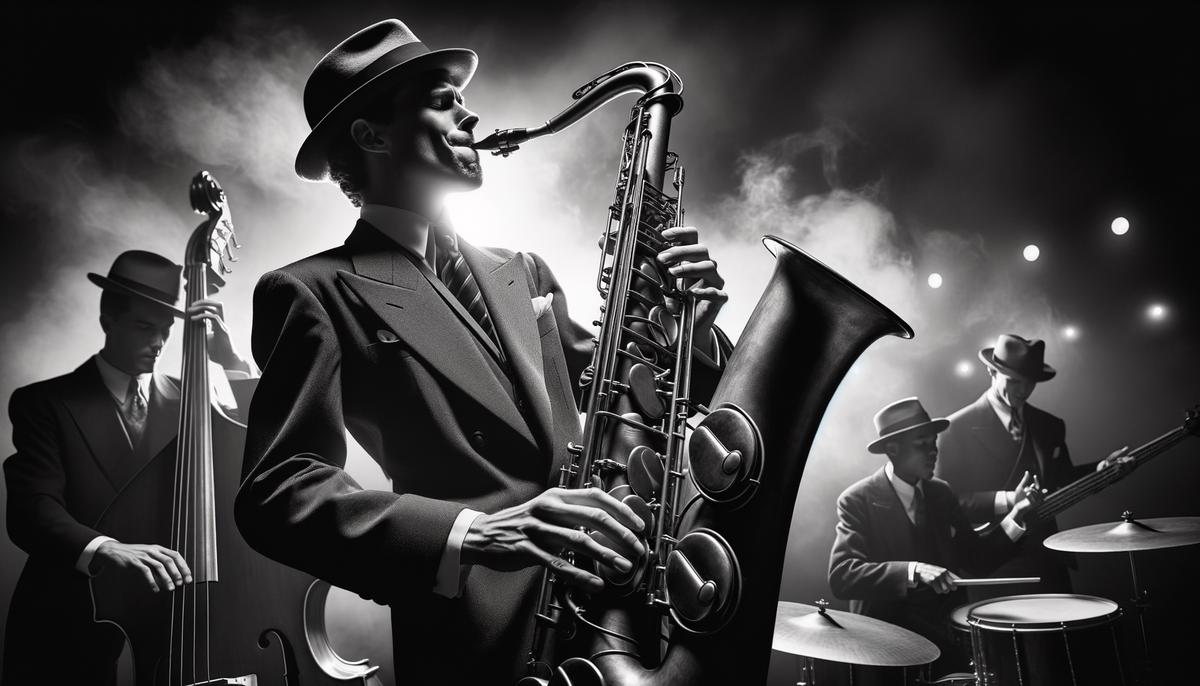
Adrian Rollini, born in 1903, was a musical marvel whose contributions to jazz continue to resonate. He's often hailed as the greatest bass saxophonist in jazz history, a title he carried with ease despite the instrument's physical demands.
Rollini's innovation extended beyond the bass saxophone. He explored various instruments with curiosity and playfulness, including:
- The 'goofus'
- The 'hot fountain pen'
These additions brought whimsy and creativity to his performances.
His signature 'rolling beat' infused his music with a flowing, gliding feel, especially captivating in the late 1920s jazz scene. This distinct style was not just a rhythmic foundation but an expression of his ability to move effortlessly through musical landscapes.
Rollini also possessed business acumen, co-founding an orchestra in 1927. His forward-thinking approach extended beyond music into leadership within the jazz world.
Despite not always living in the limelight, Adrian Rollini's legacy endures. His work laid the groundwork for future generations, offering a glimpse into the synergy of technical skill and creative spirit in jazz.
5. Warne Marsh
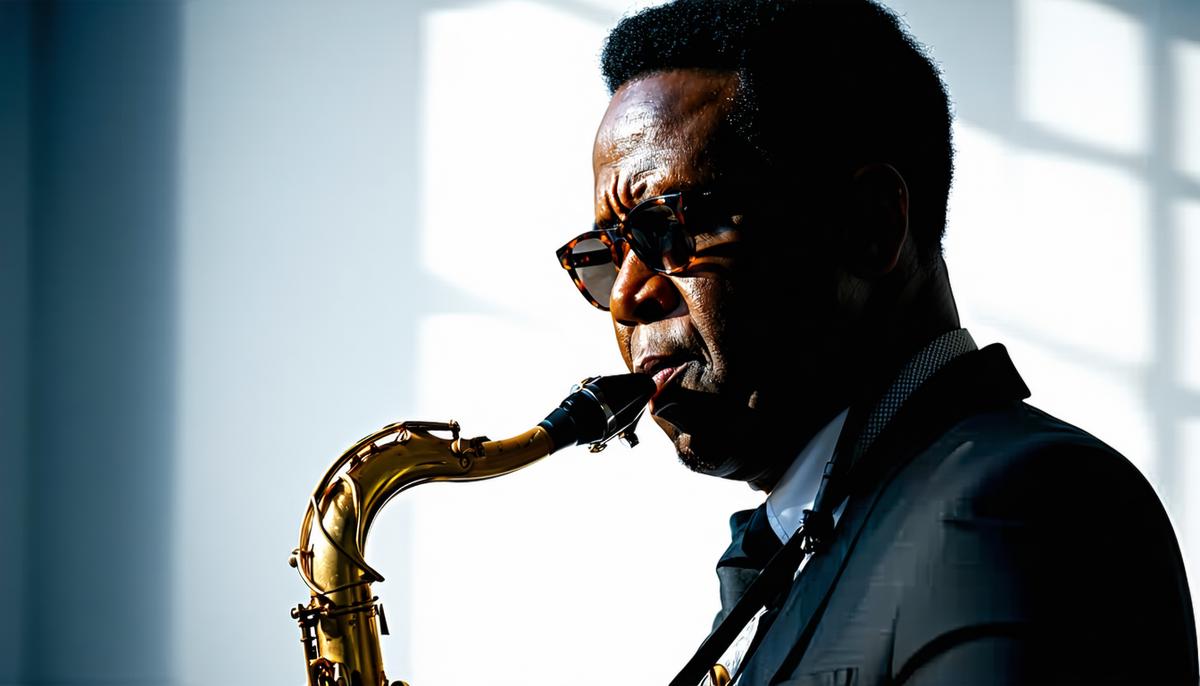
Warne Marsh, born in 1927, was an enigmatic saxophonist whose influence on jazz is undeniable, despite often flying under the radar. A prodigy from a musical family, Marsh was part of the Tristano school of jazz, known for its cerebral approach to music.
Marsh's playing featured intricate improvisations that were both technically demanding and deeply expressive. He often bucked popular trends, opting for a more introspective and exploratory path. This approach earned him the title of a "musicians' musician," revered by fellow artists even if not fully embraced by mainstream audiences.
His music balanced precision with fluidity, revealing unexpected twists that kept listeners engaged. Collaborations with artists like Lee Konitz and Supersax highlighted his unique style and commitment to pure improvisation.
"There Will Never Be Another You"
This track from the album "Lee Konitz with Warne Marsh" (1955) captures the essence of Marsh's subtle genius, showcasing his intricate playing style.
While Marsh's name may not be as recognizable as some contemporaries, jazz enthusiasts appreciate his transformative contribution. His legacy speaks to the beauty found in jazz's more intricate passages and the power of staying true to one's artistic vision.
6. Jaki Byard
Jaki Byard, born in 1922, was an extraordinary jazz pianist and composer who blended traditional and avant-garde elements. He shared stages and studios with jazz icons like Charles Mingus and Eric Dolphy, earning the admiration of jazz aficionados despite lacking mainstream acclaim.
Byard's approach to music was fearless and exploratory. He could blend early jazz's melodic sensibilities with avant-garde structures, often employing abrupt changes in style and tempo within a single performance. This showcased his versatility and broad musical vision.
His work with Charles Mingus stands out, providing both a foundation and a dynamic force in Mingus's albums. Byard's playing created an intricate backdrop for soloists, demonstrating his ability to innovate within traditional jazz frameworks.
Though his adventurous spirit may have been too ahead of its time for commercial spotlight, Byard's music resonated with those who appreciated the intersection of cerebral wit and soulful expression.
Jaki Byard's legacy reminds us of jazz's potential as a living art form. His recordings continue to inspire, guiding listeners through jazz's rich and varied landscapes.
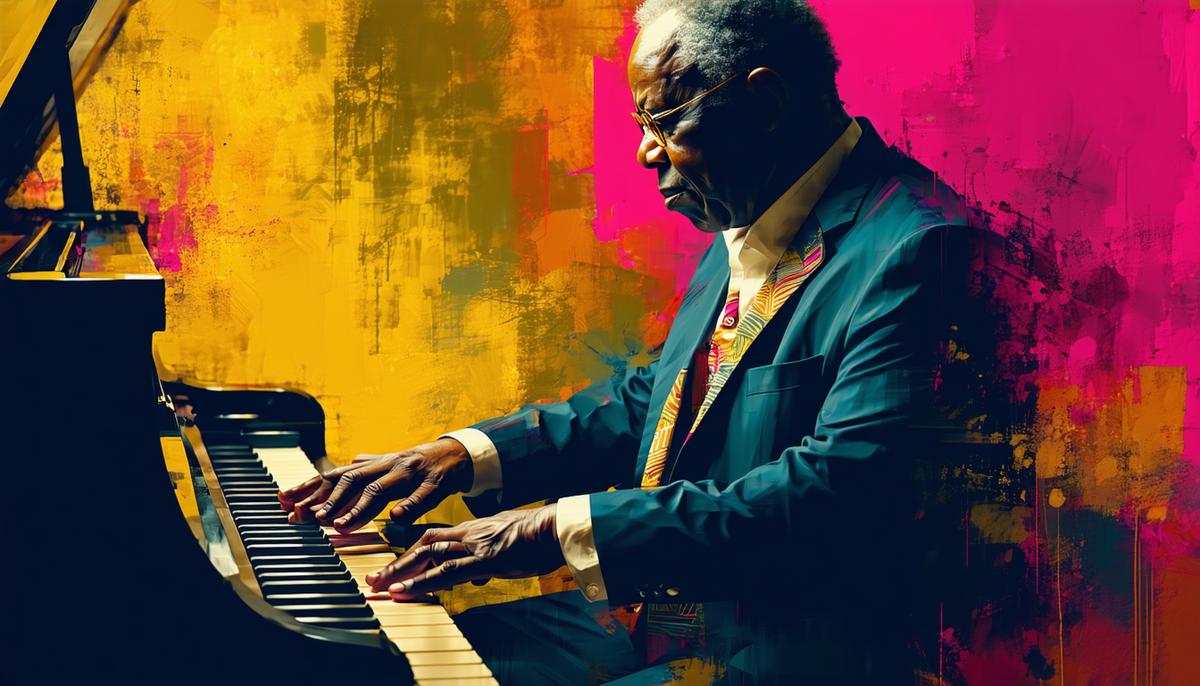
7. Frank Wess
Frank Wess reshaped the possibilities for woodwind instruments in jazz. As part of the Count Basie Orchestra, Wess established a remarkable presence by championing the flute as a serious and versatile instrument—a bold move when jazz was primarily dominated by horns and rhythm sections.
Born in 1922, Wess was a multifaceted musician, effortlessly switching between the flute and the tenor saxophone during performances. His skillful arrangements and soulful melodies added a distinctive flair to the Basie ensemble's sound. Wess's virtuosity kept audiences engaged—one moment captivating them with a silky sax solo, the next surprising them with a fresh flute riff.
Despite his groundbreaking work with the flute, Wess didn't achieve widespread fame. Though he won consecutive Downbeat magazine critics' polls for his flute playing, broader recognition often eluded him. This perhaps indicates the jazz community's occasional hesitance to embrace instruments outside the traditional lineup.
Those who understand the scope of Frank Wess's contributions appreciate his role in revolutionizing the flute's place in jazz. His recordings from the Basie era, marked by swinging tenors juxtaposed with nimble flute lines, continue to inspire musicians and listeners alike. They remind us of the enduring beauty of versatility in jazz—a genre that thrives on the unexpected and innovative.
Wess's legacy persists in the echoes of his performances, affirming that music knows no boundaries and that every note has the power to reshape the sonic landscape. Those who explore his catalogue will find themselves enveloped in a joyous exploration of melody and rhythm, a testimony to his artistry.

8. Frank Butler
Frank Butler's percussion artistry was a quiet force in the jazz world that resonated with those who had the chance to hear him play. Born in 1928, Butler carved out a niche not as a headline act, but as the backbone in the performances of jazz icons—lending his talents to recordings alongside legends like John Coltrane and Miles Davis.
While other drummers dazzled with grand gestures, Butler's style was characterized by its subtlety and deft touch. His drumming was a study in balance; each movement deliberate, his rhythms rich with nuance that brought depth to the melodies around him. Butler had a knack for elevating the music with finesse, playing into the pockets of silence with an intuitive sense of timing.
However, personal challenges shadowed his promising career. In an era when musicians' personal lives often intertwined with their art, Butler's struggles with addiction created hurdles that kept him from the limelight. Yet, his time behind the kit was marked by a creative force that few could replicate, making him a cherished collaborator among discerning musicians who understood the worth of his quiet charisma.
For those who explore his discography, his contributions can be heard as essential elements within albums that have stood the test of time. Through the nuanced cadences captured on records, Frank Butler's legacy continues to reach beyond mere sound. It's an embodiment of the rhythm that flows through jazz like a heartbeat—a tribute to the unsung rhythms that shape the soul of music.

The essence of jazz lies in its ability to weave together diverse influences into a harmonious whole. These musicians remind us that even those whose names might not be on every marquee have left an indelible mark on the music we cherish today.