
Fashion has always been a reflection of societal shifts, and workwear is no exception. From the formal attire of the early 1900s to the bold statements of the mid-20th century, clothing choices have mirrored changing roles and attitudes. The journey through decades reveals not just a change in fabric and cuts but an evolution in identity and empowerment.
Pre-1940s Workwear Norms
In the 1900s, offices were quite formal, with women wearing long skirts and high-neck blouses. Men sported suits with ties, embodying a serious demeanor. The early 20th century was all about covering up, with dresses reaching the floor and trousers being exclusively men’s attire.
The 1920s brought change. Women embraced shorter hair and straighter silhouettes, saying goodbye to restrictive corsets. A new “boyish” charm in women’s workwear emerged. Men relaxed their wardrobe slightly, with colorful suits and flashy socks.
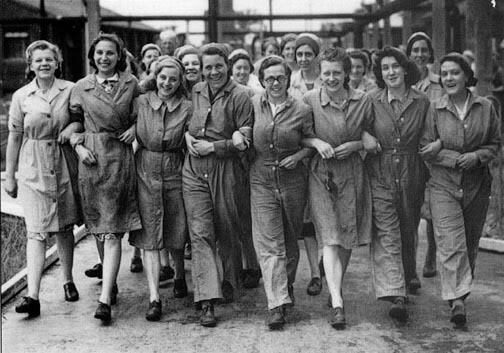
In the 1930s, women’s silhouettes softened with feminine touches, while men’s suits featured wider shoulders. Patterns began to appear, setting the stage for bolder choices. Comfort started to nudge its way into office attire.
The 1940s saw working women during World War II stride into offices with squared shoulders and bold patterns, matching their newfound confidence. Utility fashion became a statement. Men wore high-waisted trousers and double-breasted suits, projecting resilience.
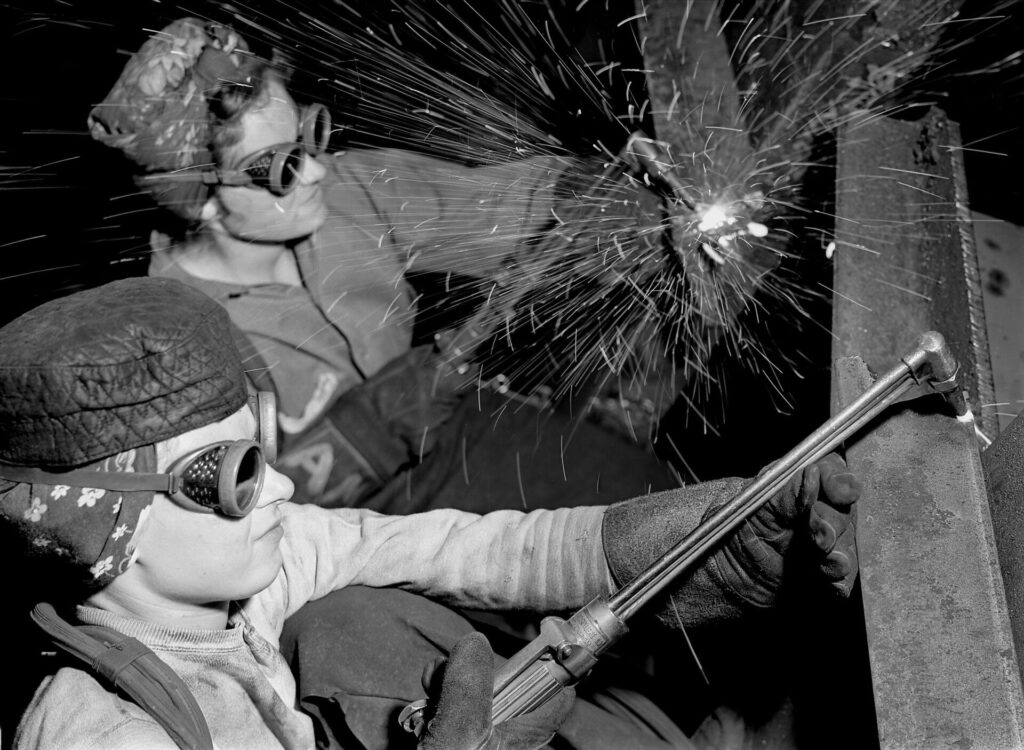
These styles paved the way for future changes, gradually transforming the formal beginnings of workwear into a more diverse and expressive wardrobe.
Impact of World War II on Women’s Workwear
The 1940s marked a pivotal moment where practicality reigned supreme, thanks to World War II. With men off to war, women stepped into previously male-dominated roles. Utility fashion emerged, blending function and form.
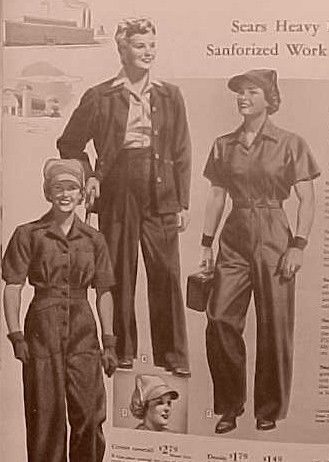
Women’s wardrobes adapted to their new duties. Long skirts gave way to shorter, more functional hemlines. Clothing featured squared shoulders and sturdy fabrics suitable for factory work and office tasks.
Despite the focus on practicality, style wasn’t sacrificed. Women embraced bold prints and colors, bringing vibrancy to workplaces. Utility fashion included useful elements like pockets and belts, adding both function and flair to structured silhouettes.
This era redefined femininity to include versatility and resilience. Women’s workwear reflected their new roles as strong, independent contributors to the workforce. The 1940s laid the groundwork for future generations, showing that women’s clothing could be both practical and stylish while embodying a spirit of determination and adaptability.
The Rise of the Pantsuit
As the mid-20th century approached, the pantsuit emerged as a symbol of change in women’s workwear. This new ensemble challenged traditional fashion norms and signified a shift in gender roles.
The pantsuit offered a revolutionary alternative to dresses and skirts, representing empowerment and integration into previously male-dominated professional spaces. With high-waisted trousers and fitted blazers, it exuded confidence and competence.
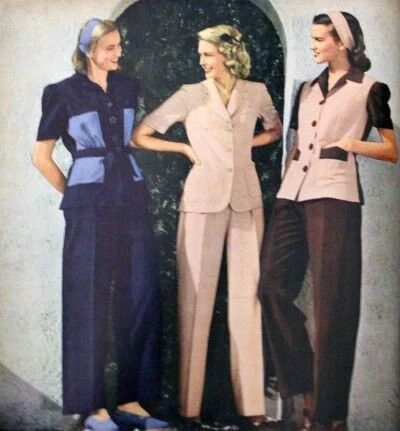
More than just an outfit, the pantsuit was a statement. It questioned why pants were considered men’s domain and sparked broader conversations about equality and gender roles in the workplace.
"Many young women were adopting pants either as an explicit symbol representing their fight for equality, or simply as a means for more comfort."
Initially met with resistance, the pantsuit gradually became a staple in women’s wardrobes. It evolved through the decades, adapting to changing fashion trends while maintaining its symbolic power.
The pantsuit stood as a testament to the ongoing journey of gender equality, representing the progress made by women in professional settings. It embodied the spirit of those who dared to challenge norms and create new opportunities for themselves and future generations.
Post-War Fashion Evolution
The post-war period saw women’s workwear styles evolving, blending elegance with practicality learned during wartime. The 1950s brought a return to femininity, with narrow pencil skirts and fitted blouses becoming popular. These styles maintained a balance between empowerment and elegance, with functional elements like structured lines remaining.
The 1960s introduced more daring choices. Working women embraced vibrant prints and playful cuts, proving that professionalism and fashion could coexist. Hemlines shortened, and mod fashion took center stage.
By the 1970s, pantsuits became a mainstay in offices, reflecting women’s increasing presence in professional spaces. Bold colors and designs, from wide lapels to vivid hues, became the norm.
The 1980s brought dramatic changes with oversized blazers and padded shoulders, symbolizing authority and assertiveness. Women’s workwear became a form of “power armor,” allowing them to command respect in previously male-dominated spaces.
Throughout these decades, women’s workwear transformed from practical utility wear to a blend of style and functionality. This evolution reflected broader societal changes, showcasing women’s growing independence and influence in the professional world.
The transformation of workwear over the decades is a testament to resilience and creativity. As styles evolved, they reflected not just changes in fashion but shifts in societal roles and expectations. This journey is a powerful reminder of how clothing can be both a personal expression and a symbol of broader cultural movements.
- Wasniewski M. House of Representatives: Historical Fashion Policing. The Hill. 2011.
- Baker RA. Women’s Dress in the U.S. Senate. The Washington Post. 2002.
- Moseley-Braun C. Interview. WBEZ. 2023.
- Mikulski B. Interview. Vice. 2023.
- Chicago Sun-Times. Senate Dress Code Changes. 1993.