1. Cooking With Gas
This phrase bubbled up in the 1940s, embodying the thrill of efficiency. It's the verbal fist-bump for achievements that glide with ease. Use it when someone tackles a task like a pro, leaving you nodding in admiration. Bring it back and add a spark to the everyday victories, acknowledging that feeling of doing something not just adequately but brilliantly.

2. Knuckle Sandwich
"Knuckle Sandwich" stands out as a playful yet punchy comeback to cheeky remarks or unruly behavior. Picture a scene in a noir film, where a character, fed up with someone else's nonsense, threatens to serve up this fabled dish. The expression carries all the drama and humor of the era—a verbal note that sometimes, words speak volumes.
This phrase made its rounds in the bustling streets and vibrant films of the '40s, turning a potential conflict into a humorous exchange. Reintroducing it into your everyday lexicon can add a splash of vintage flair. Whether you're teasing a friend or lightening up an intense moment, a "knuckle sandwich" offers a dose of nostalgia and a wink to the past.

3. Chrome Dome
"Chrome Dome" shone brightly as a humorous term for those proudly sporting a bald head. Picture a high-shine, polished surface, glinting in the sunlight—much like the incredibly smooth noggin it's playfully referencing. The phrase mixes a touch of affection with a dash of playful ribbing, striking just the right balance between camaraderie and cheek.
This term found its way into conversations, embodying an appreciation for the clean, gleaming look devoid of unruly hair. Whether you know someone who's embracing their inner "Chrome Dome," or you're one yourself, reviving this gem can add a bit of retro charm to today's discourse. It's a delightful way to celebrate a timeless look with affection and a twinkle in your eye.

4. Ace
"Ace" was the high-flying term used to honor someone with unparalleled skill or expertise. Imagine a crack pilot maneuvering his plane with unmatched precision, or a musician hitting every note perfectly in a smoky jazz club. It was the ultimate compliment, reserved for those moments when someone's talent or capability truly shone through.
Using the term "Ace" carried an air of admiration and camaraderie. It was the verbal equivalent of a tip of the hat, a subtle nod to greatness that felt both playful and genuine. Reviving this piece of vintage slang can add a dash of retro flair to how we acknowledge brilliance today. The next time a colleague nails a presentation or a friend effortlessly masters a new skill, honor their prowess with a hearty "Ace!"

5. Bop
In 1940s dance halls, "Bop" emerged as the quintessential term for a lively, vibrant style of dance. It encapsulated the energy and zest of a generation that delighted in moving to the beat with exuberance and flair. Bop wasn't just another dance style—it was a celebration of life, a physical expression of joy that seemed to electrify the air.
Imagine a packed room with brass bands blaring, bodies swinging in unison, and the collective laughter of a crowd swept up in the sheer fun of it all. The dynamic movements and infectious smiles epitomized the era's resilience and optimism.
To bring a bit of this vibrant past into the present, consider Bop as more than just a nostalgic nod. Let it remind you to dance like nobody's watching, to embrace every rhythm of life with enthusiasm, and to transform any space into your own personal dance floor.
6. Cut A Rug
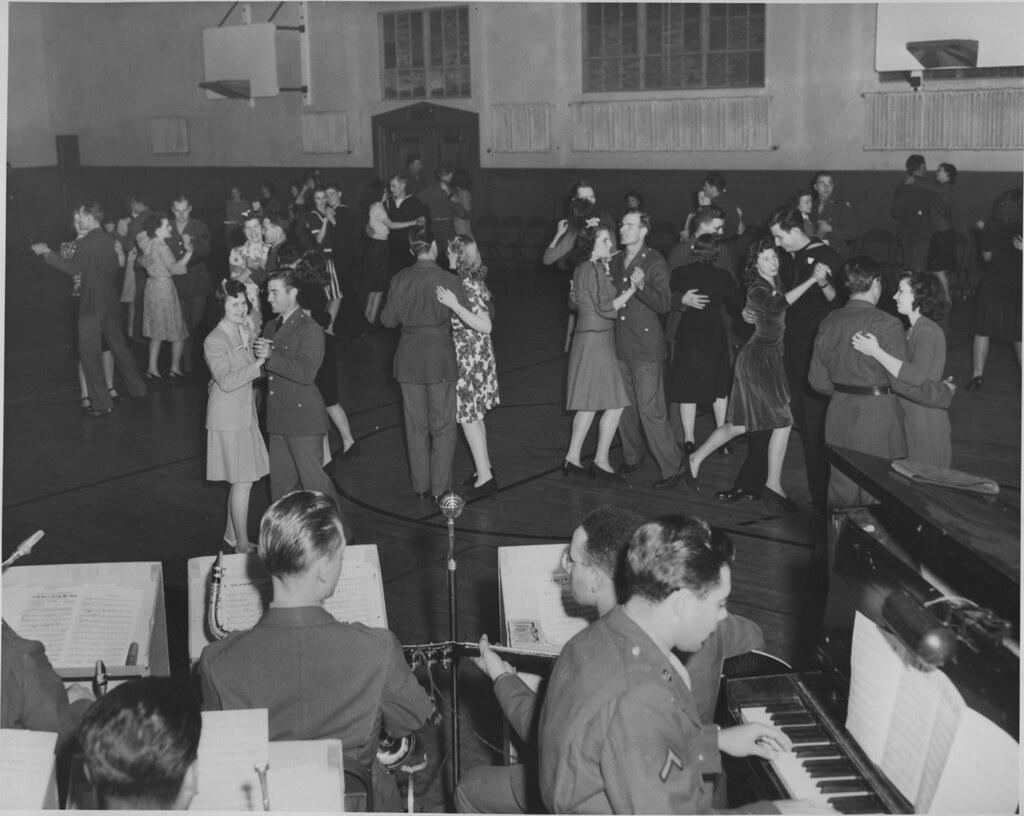
"Cut a Rug" became the go-to phrase for anyone ready to let loose and dance like there was no tomorrow. Visualize a dance floor packed with jitterbugging couples, jazz harmonies filling the air, and shoes gliding across the polished wood as if possessed by the very rhythm of the music. This expression perfectly encapsulated the era's spirit of freedom and exuberance.
It wasn't just about dancing; it was a celebration of energy, vitality, and shared joy. It conveyed the sheer delight of abandoning yourself to the beat, of forgetting the woes of the world and simply living in the moment.
Reviving "Cut a Rug" in today's parlance invites us to embrace the spontaneity and joy of dance—whether in a crowded bar, a living room, or even your kitchen. The next time a tune compels you to move, heed its call and cut a rug yourself. Celebrate the simple pleasure of movement and allow yourself a moment of unfiltered joy.

7. Dreamboat
"Dreamboat" set sail as a charming term of endearment, used to describe someone particularly attractive—often aimed at dashing gentlemen who seemed to sweep people off their feet with just a smile. Picture the silver screen heartthrobs of the era: those effortlessly handsome actors whose mere presence would light up the screen, leaving audiences swooning with admiration.
The phrase brought to mind not just good looks, but an aura of allure and charisma that captivated attention. It was more than just a comment on appearance; it was a nod to the magnetic personality, the grace in movement, and the unspoken promise of adventure etched in a confident glance.
Incorporating "Dreamboat" back into our conversations today is like sending a message in a bottle across time—a wistful appreciation for beauty that transcends generations. It's a playful way to compliment someone who not only catches your eye but perhaps also stirs something deeper within your heart.

8. Jive Bomber
A "Jive Bomber" soared to notable heights on the dance floors of jazz clubs and swing gatherings. This dynamic term was used to describe those who mastered the captivating and upbeat style of jive dancing—individuals who, with every twist and turn, seemed to embody the very heartbeat of the era's musical spirit.
Being a Jive Bomber wasn't just about following the rhythm—it was about the flair and soul one brought to the dance. The staccato footwork, the spontaneous spins, and the joyous improvisation made it impossible not to join the celebratory atmosphere.
Resurrecting the term "Jive Bomber" in casual conversation invites an appreciation for the liveliness and joy ingrained in social dance. It's a reminder that music possesses an unmatched ability to unite us, urging even the most hesitant of dancers to leap into the fray. So, embrace your inner dancer and elevate the occasion with a nod to those jive-filled nights that once reverberated with the jubilant spirit of a post-war era.

9. On The Beam
"On the Beam" stood as a beacon of praise, marking those who were perfectly aligned with the moment's vibes or expectations. Imagine moving through life's maze with uncanny precision, hitting every note just right—whether that means acing a tough exam, nailing a job interview, or simply making it through the day with poise and competence.
This phrase painted a vivid picture of someone or something that had its act together, staying steady amidst the chaos of a changing world. It evoked images of confident pilots, deftly steering their aircraft through turbulent skies, assured and unflinching.
Reviving "On the Beam" in today's conversations brings with it a touch of vintage charm, celebrating those moments when everything seems to click effortlessly into place. Whether you're watching a friend masterfully execute a tricky recipe or witness a colleague handle an unruly meeting with finesse, acknowledging their smooth operation with a well-placed "On the Beam" highlights their brilliance.

10. Humdinger
"Humdinger" was reserved for those rare instances when something or someone was truly remarkable, standing out as exceptional in a world full of the ordinary. This term radiated excitement and enthusiasm, capturing the sort of outstanding quality that left people buzzing with admiration. Whether it was a spectacular new invention or an unforgettable performance in a crowded theater, a "Humdinger" was a flash of brilliance that drew everyone's attention.
Reintroducing "Humdinger" in our conversations today provides a colorful nod to past expressions of delight and awe. It's the perfect word to deploy when encountering a standout dish at a local restaurant, an engrossing book that you simply can't put down, or a friend's uncanny ability to tell a story that has everyone in stitches. By calling it a "Humdinger," you signal that this isn't just noteworthy—it's extraordinary, deserving of the spotlight.
Bringing back the vibrant expressions of the 1940s offers a delightful way to add charm and warmth to our daily conversations. By reviving these phrases, we celebrate a time when language was as colorful and dynamic as the era itself. So, whether you're acknowledging someone's skill with an "Ace" or enjoying a lively dance as you "Cut a Rug," let these words infuse your interactions with joy and nostalgia.
Popular 1940s Slang Terms
- Cooking With Gas – Making good progress
- Chrome Dome – A bald person
- Ace – An expert or highly skilled person
- Bop – Lively dance style
- Cut A Rug – To dance energetically
- Dreamboat – An attractive person
- Jive Bomber – Skilled dancer
- On The Beam – Doing well, on the right track
- Humdinger – Something remarkable or outstanding
- Sanders CA, Blackwell JW. Words of the Fighting Forces. New York, NY: Military Service Publishing Company; 1942.
- Meyer FR. Fighting Talk. New York, NY: Military Service Publishing Company; 1942.
- Dickson P. War Slang: American Fighting Words and Phrases Since the Civil War. Washington, DC: Brassey's; 1994.