
Daily Routines and School Environment
Picture waking up on a chilly 1940s morning as a young student. The clatter of breakfast preparation echoes from the kitchen. Home-cooked oats or simple toast would start your day before slipping on your freshly pressed school uniform.
Transport to school varied. City kids often had trams and buses, while rural students were more acquainted with dusty tracks, riding bicycles or walking. Arriving at school was an adventure of its own, whether through bustling city streets or winding country roads.
Schools stood like landmarks in the community. Classrooms were painted in muted greens and creams. Urban schools might have central heating, while rural ones relied on coal fires. Old-style iron desks seated pairs, serving as both a friend's station and a conspirator's corner.
Once the teacher emerged, class was in session. Students practiced their alphabet on slates, each scratch building the foundation for learning. Subjects like arithmetic challenged students with conversions and currency calculations.
The war influenced education, with air-raid drills interspersed between lessons. Yet students found sanctuary in studies and stories of adventure. Playtime was a lively affair of skipping ropes and hopscotch, weaving camaraderie into the school fabric.
At day's end, home beckoned with the promise of evening chores or pockets of play. Reflecting in diaries, student life spun its unique story, nestled amidst the quieter chaos of war. Through it all, 1940s school life was fueled by curiosity and friendship, a testament to resilience in every inkblot and merry recess.
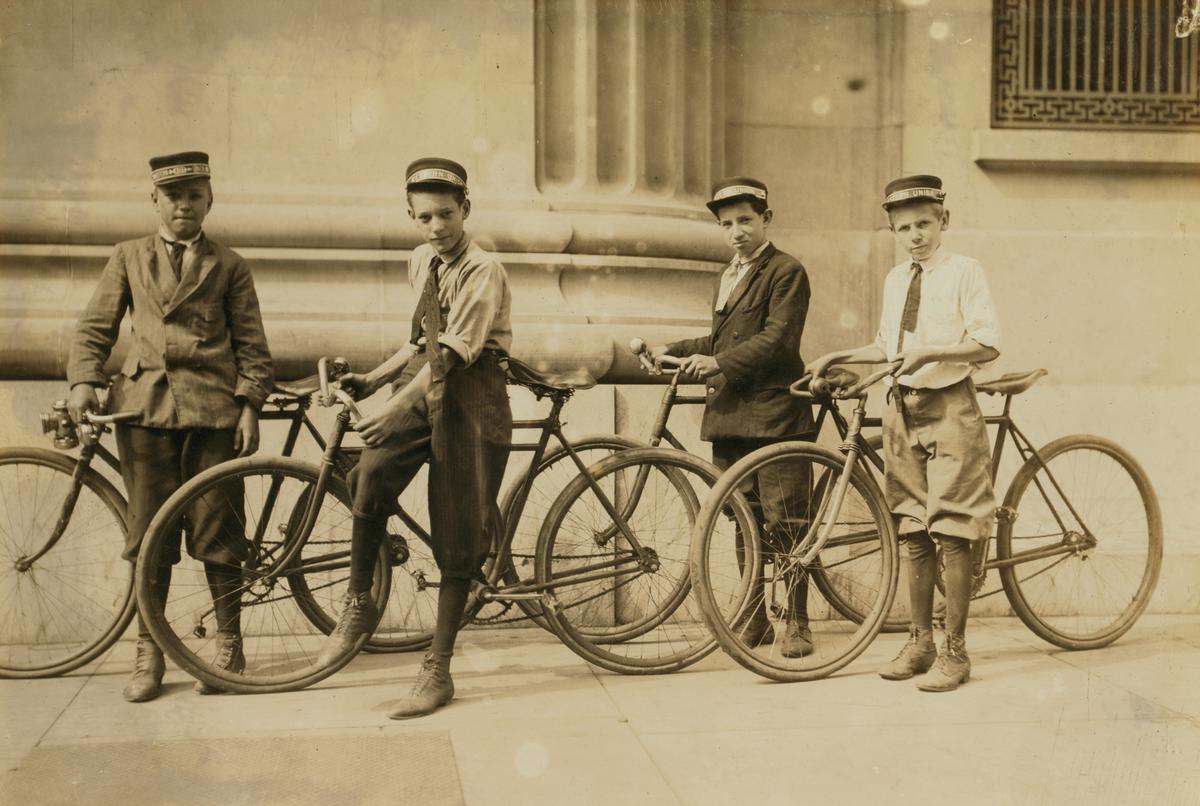
Photo by libraryofcongress on Unsplash
Educational Practices and Curriculum
The 1940s saw education mirroring the era's tumultuous yet hopeful spirit. The war prompted a reevaluation of teaching methods, with rural schools often sticking to traditions while urban settings explored new ideas.
The curriculum blended classic and contemporary subjects. Arithmetic remained a staple, with students mastering complex conversions. English lessons focused on grammar and prose, using phonics to tackle language intricacies.
World War II reshaped education, emphasizing science and foreign languages to address national deficits. Technical education gained importance, preparing students for wartime industrial demands.
The 1944 Education Act marked a turning point, promising free secondary education for all. The 11-plus exam sorted students into grammar or secondary modern schools based on academic merit.
Despite changes, some traditions held firm. Pen and ink remained essential tools, with spelling tests and memorization exercises common. Visual aids evolved, with story cards and the Beacon reading series guiding students through various tales.
As the decade closed, these educational practices prepared a generation for modernity. The 1940s education legacy was one of resilience and adaptation, where children learned not just from books but through living history's defining moments.

Social and Cultural Aspects
The 1940s school life was rich with social interactions that mirrored the broader society. Playtime was a social ritual where games like marbles, football, and skipping rope brought students together, briefly blurring socioeconomic lines.
Still, status differences were visible through subtle indicators like newer uniforms or leather satchels. Yet, shared joys often transcended these boundaries, with simple pleasures like playing cards captivating diverse groups.
Cultural influences shaped student interactions. Cinema and radio sparked imaginations, inspiring playground debates and reenactments. Comics and novels, sometimes hidden in textbooks, reflected and subtly critiqued societal norms.
School clubs fostered team spirit and participation across economic backgrounds, nurturing diverse skills and a sense of belonging. Traditional gender roles were often reinforced, but new perspectives were quietly emerging.
Through playful antics and solemn camaraderie during national crises, these students embodied their era's strengths and challenges. Their experiences left an indelible mark on their educational journey, reflecting a time of both continuity and change.
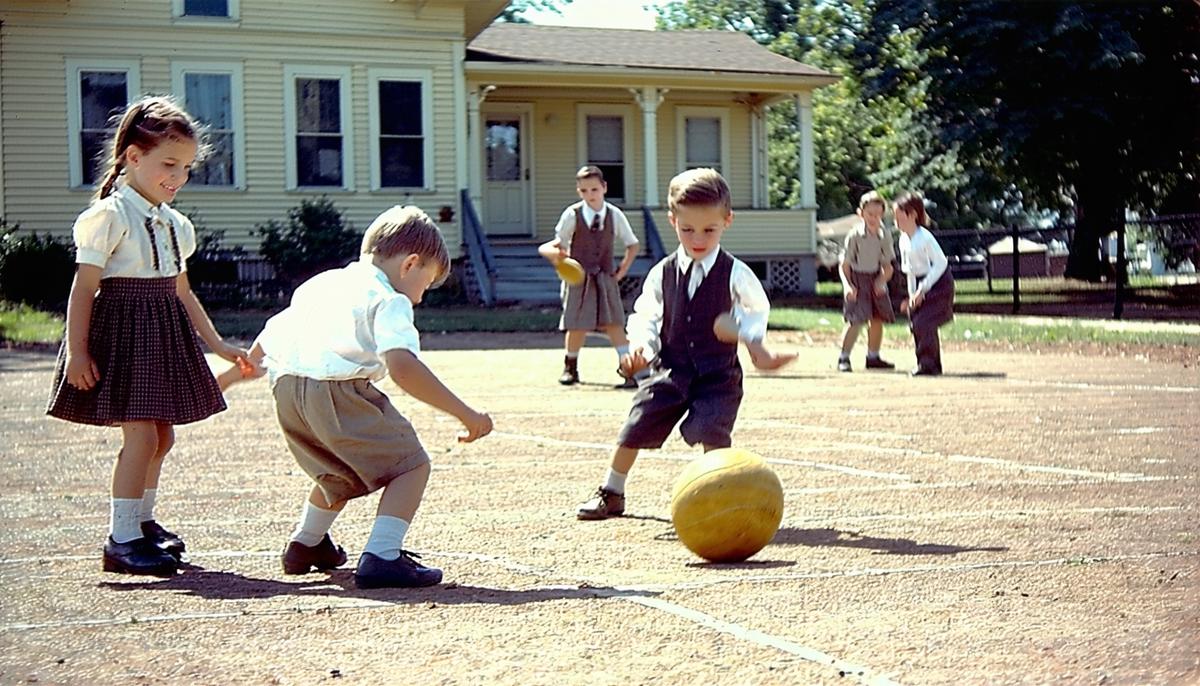
As we reflect on 1940s education, it's clear the era was marked by resilience and adaptation. Students' experiences, from daily routines to social interactions, reveal a generation shaped by both tradition and change. This period laid a foundation for future progress, showing how education can be both a refuge and a catalyst for growth during challenging times.
Common School Supplies in the 1940s:
- Slates and colored chalks
- Pencil boxes with grooved slots for supplies
- Tablets of lined paper with movie star photos on covers
- Wooden pen holders and pen points
- Flour and water paste for making book covers
"School's out, school's out; Teacher let the monkeys out."– Common children's chant on the last day of school
- Christensen MD. Childhood Memories: Back to School in the 1940s. Our Iowa Magazine. 2010.
- Montour ET, McCallum MJL. Brown Tom's Schooldays. Winnipeg: University of Manitoba Press; 2024.