
Community Resilience During Wartime
In the 1940s, World War II cast a long shadow, but communities showed remarkable unity and resilience. Like a patchwork quilt, each neighborhood wove together stories of hope and perseverance.
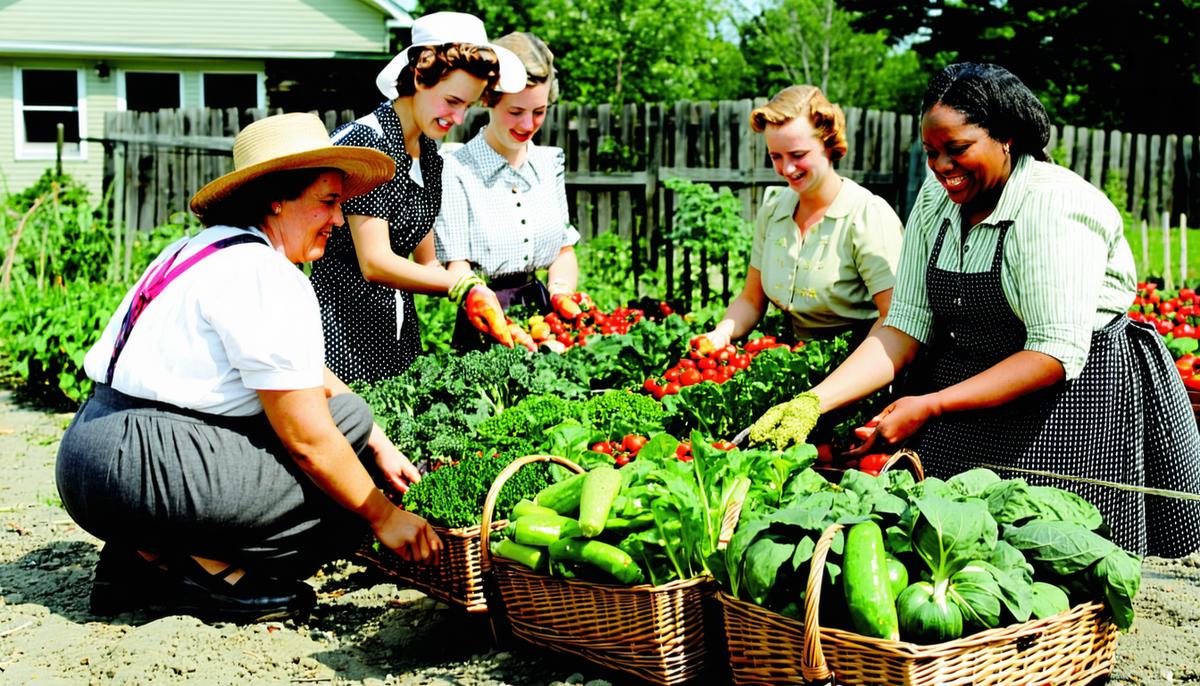
With men at war, women stepped up to keep industries and households running. Farmers, factory workers, and nurses became pillars supporting their communities. Victory Gardens sprouted in yards and public spaces, providing food and a sense of self-reliance. By war's end, over 20 million gardens flourished.
Volunteer efforts thrived. People answered the Red Cross's call for blood drives and first aid classes. They knitted socks, rolled bandages, and even saved bacon grease for bullet casings. Children collected scrap metal in "Tin for Tanks" drives. No contribution was too small.
Community leaders fostered connections among neighbors. Town hall meetings became vital, covering:
- Food distribution
- Blackout protocols
- Civil defense plans
Leadership focused on nurturing trust and cooperation.
Unity went beyond just coming together – it was an unspoken agreement that survival depended on lifting each other's burdens. Soup kitchens served more than just food; they offered warm reminders that no one was alone.
New traditions emerged. Block parties and dances offered brief respites from hardship, where laughter and camaraderie shone bright. This sense of community formed the heart of collective defiance against adversity, proving that togetherness could transform despair into shared strength.
Cultural and Social Activities
The 1940s weren't just about wartime trials; they also saw vibrant cultural and social activities that lifted spirits and brought people together.
Sports events like football games and the Copa América tournaments showcased talent and community pride. These weren't just matches; they were reminders of resilience and hope.
Dance halls offered sanctuary from worries. Swing and jazz bands filled the air with infectious rhythms, allowing people to forget their troubles, if only for a night. The dance floor became a canvas of joy and solidarity.
Movie theaters acted as modern campfires, where people gathered to escape through:
- Comedies
- Dramas
- Newsreels
These shared experiences forged connections and imparted resilience through storytelling.
Local fairs and social clubs highlighted community talents and kindled friendships. Even modest events like church bingo nights carried a buzz of anticipation and camaraderie.
Radio brought news, music, and entertainment into homes, connecting listeners across distances. Families eagerly gathered around for beloved programs, reinforcing a shared cultural fabric.
These activities provided layers of normalcy and distraction, cushioning communities against hardship. They underscored the importance of morale and unity, reminding everyone that humanity's spirit could persevere through connection, rhythm, and joy.

The Role of Women in Community Building
In the 1940s, women emerged as key architects of community cohesion. As the world grappled with war, they stepped boldly into roles that transcended traditional boundaries.
With many men serving overseas, women became the backbone of the labor force. They donned overalls and hard hats, powering factories and industries. Their contribution went beyond producing goods; it demonstrated the potential to reshape society.
Volunteer organizations flourished under women's leadership. Groups like the Women's Voluntary Services and the American Red Cross saw surges in female participation. From organizing blood drives to providing wartime nursing, women channeled care and compassion into tangible support.
Women also took on greater roles in civic leadership, shaping decisions that affected the wartime home front. They strategized:
- Food distribution
- Community welfare
- Civil defense initiatives
Town meetings became forums where women's voices rang clear and decisive.
The Rosie the Riveter campaign celebrated this shift, reinforcing that women could do more than previously envisioned. But beyond posters, real women formed support networks that became lifelines, offering solace and strength to those in need.
Women also embraced their roles as educators, instilling hope and understanding in young minds alongside academic lessons. As mothers, neighbors, and friends, they imparted wisdom and values of unity and perseverance.
In the backdrop of war, women illustrated that the true power of unity emerges not just in weathering storms, but in the strength we derive from each other. Their quiet, steadfast resolve formed the invisible threads pulling communities together.
Impact of Wartime Policies on Communities
Wartime policies in the 1940s reshaped communities, fostering unity and resilience through shared challenges.
Rationing transformed daily life into a lesson in cooperation and creativity. When butter was scarce, margarine rose to the occasion. Cooks elevated humble ingredients to starring roles. Ration books became symbols of solidarity, each stamp a shared pledge to conserve resources. In grocery queues, people exchanged more than just ration coupons – they shared recipes, ideas, and a sense of camaraderie.
Civil defense measures introduced new responsibilities:
- Air raid drills became a choreography of preparedness
- Community wardens ensured blackout protocols were followed
- Shelters were organized and maintained
These roles reinforced mutual reliance, turning neighbors into sentinels united by a shared purpose.
Victory gardens blossomed into symbols of cooperation. Entire neighborhoods transformed vacant lots into fertile grounds of shared endeavor. These gardens nurtured bonds as much as vegetables, bringing together people of all ages in a common goal.
These policies sparked a unique collective spirit, emphasizing sacrifice and collaboration. Friendships flourished over borrowed ingredients and shared resources. Bartering evolved from necessity to a cornerstone of community relations.
Alongside practicality, these dynamics nurtured optimism. They sparked cultural responses in poetry, art, and music. Radio programs like "Fireside Chats" brought leaders' voices into living rooms, binding listeners in a shared story of hope and resilience.
The impact of these policies extended beyond mere survival strategies. They created new norms of unity, elevating everyday cooperation into an art form. As peace returned, the lessons of resilience and togetherness endured, enshrined in collective memory as a testament to the strength that blooms from unity in times of trial.

Legacy of 1940s Community Spirit
The community spirit forged in the 1940s left an enduring legacy that continues to shape society today.
This era provided a blueprint for collective action and shared experiences. Post-war initiatives in education, healthcare, and infrastructure development drew inspiration from wartime lessons of mutual reliance. Housing projects, schools, and civic centers sprouted up, carefully planned and tended like those wartime Victory Gardens.
The period sparked efforts to democratize opportunities, leading to the rise of:
- Community colleges
- Local co-operatives
- Social clubs
- Civic organizations
These institutions continued to thrive, offering platforms for dialogue and problem-solving.
While physical aspects of community spirit evolve, the human element remains timeless. Principles of civic duty, neighborly kinship, and grassroots leadership still resonate today. In facing modern challenges like economic disparities and global pandemics, we often hear echoes of that 1940s call to rally together.
Even in our digital age, the spirit of the 1940s holds relevance. Social media, while sometimes isolating, also has the potential to weave communities together, much like those town hall meetings once did. Online forums and campaigns carry on the tradition of advocacy and community-building.
Today's neighborhood watches, community cleanup projects, and local advocacy groups draw inspiration from a time when partnerships were heartfelt promises to share both burdens and joys.
As we look to the future, we carry these lessons forward. While our challenges may differ, the power of unity remains as potent as ever, offering both a reflection of past achievements and a beacon for what's possible when people come together.
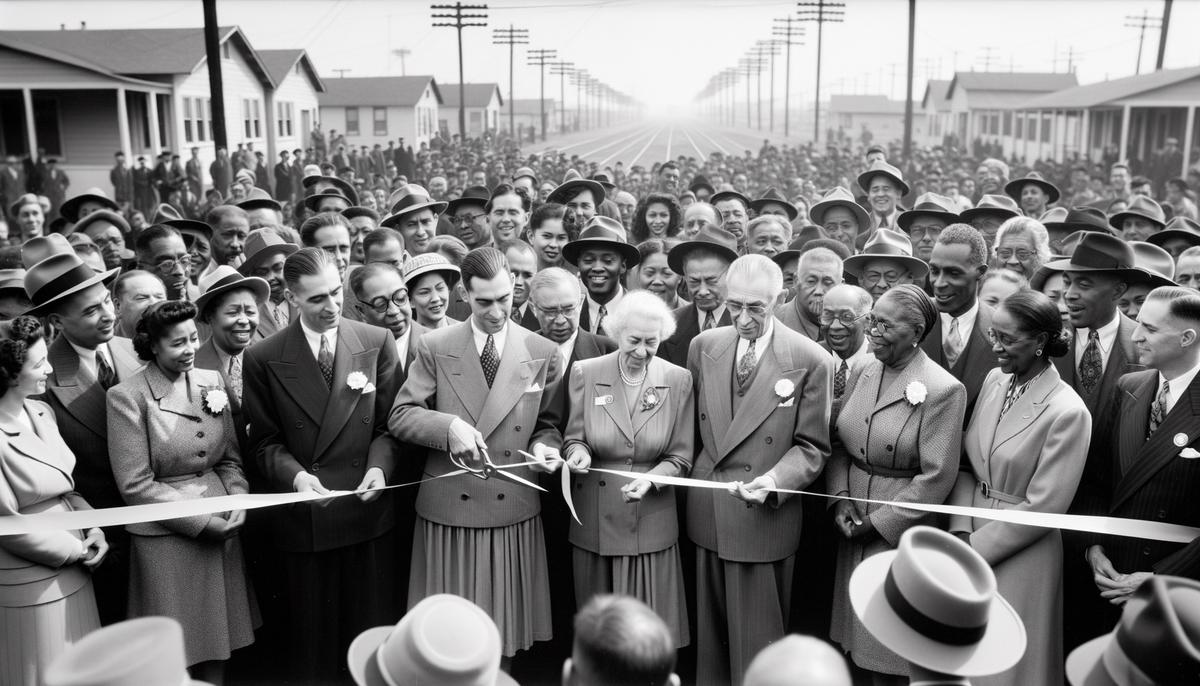
In times of trial, the strength of unity becomes a beacon, guiding communities through adversity. The spirit of togetherness, nurtured in the 1940s, continues to remind us that collective resilience can transform challenges into opportunities for growth and connection.
- Freeman JD. The Prayer for Protection. Unity Magazine. 1940.
- Aldrin E. Apollo 11 Mission Report. NASA. 1969.
- Irwin JB. Apollo XV Mission Report. NASA. 1971.