
Life in the 1940s offered an unexpected twist to keeping fit. Forget kettlebells and yoga mats — it was all about incorporating exercise into the daily grind without even trying. Picture this: you move into a house and swap your gas-powered lawn mower for a reel mower. Suddenly, mowing the lawn becomes a workout session. Not only do you keep your lawn in check, but you also sneak in some cardio.
Who needed a stairmaster when most folks lived in two-story homes or worked in multi-floor buildings without elevators? Those stairs were a free gym membership. Even everyday errands required a mile or two on foot because cars were more luxury than necessity. Walking to the market doubled as an endurance exercise, with bonus points for carrying those heavy groceries home.
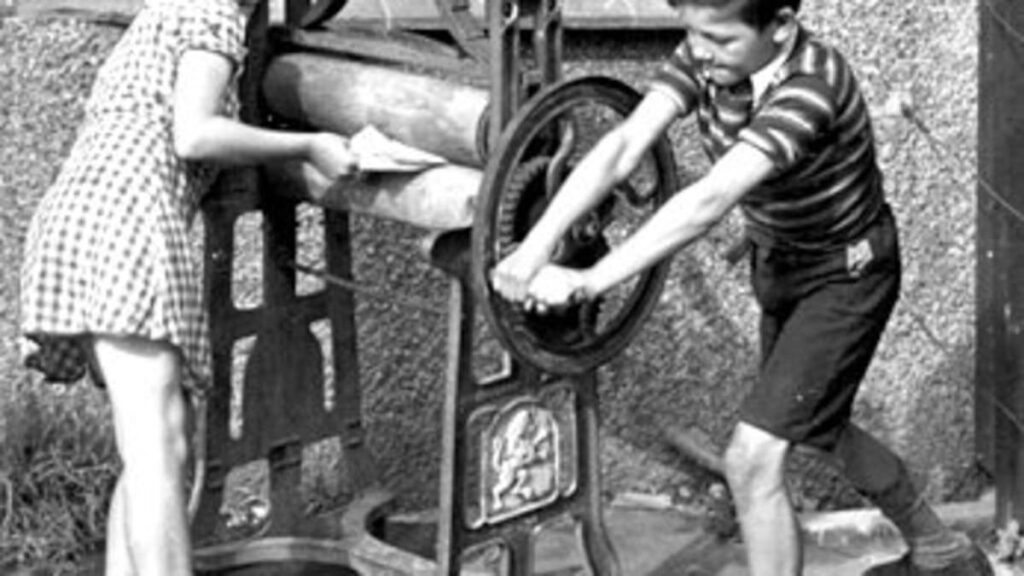
And then there was laundry. Clothes were washed by hand, and line-drying was another way to stretch those muscles. All in all, chores were synchronized workouts hidden in plain sight.
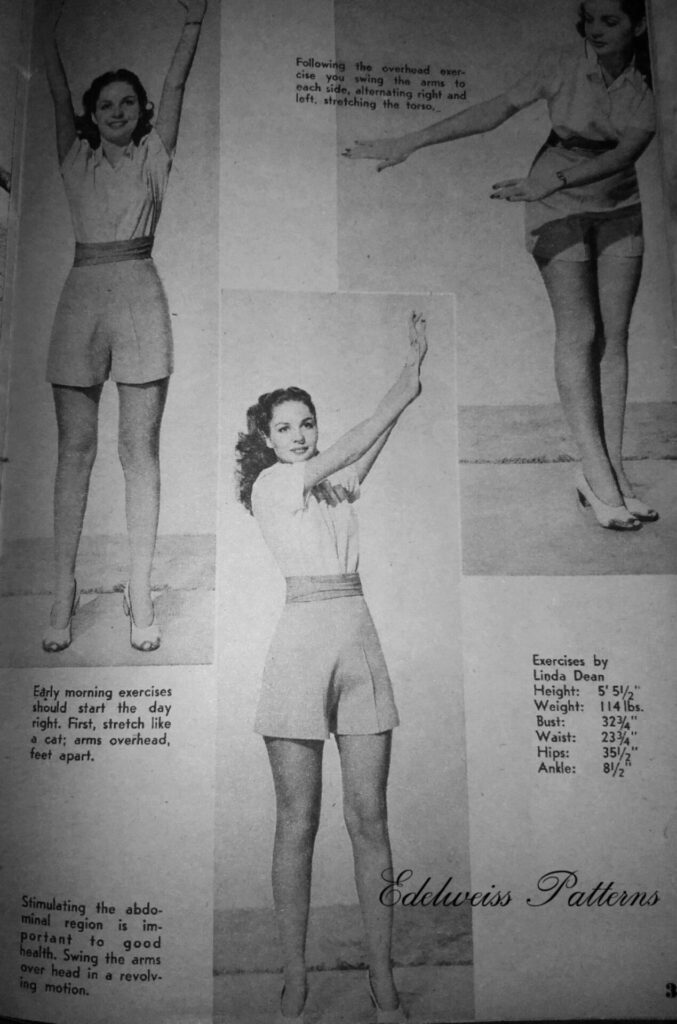
Now imagine doing stretches while listening to the radio. A bit of bending here, a little stretching there, all as a part of the evening ritual. Who would have thought that static stretches could accompany a news broadcast perfectly?
Kids back then were the fitness prodigies without even knowing it. Playing outside meant racing around for hours. Dirt was the playground, and games didn’t have pause buttons. Running, jumping, and climbing were the local CrossFit games — no membership required.
It was a time when moving more didn’t mean scheduling gym time and paying fees. It simply meant living — walking, bending, lifting — was enough to keep folks trim and happy. Fitness in the 1940s? It was just life, undressed with any pretension or trend.
1940s Home and Outdoor Exercise Practices
The 1940s saw fitness as a blend of necessity and leisure. While daily demands kept many active, intentional exercise practices began to carve a niche of their own, often at home or outdoors.
Stretching and toning exercises were essential to 1940s fitness routines. Influenced by Hollywood starlets and fitness enthusiasts, housewives and young women found ways to replicate these glamorous stretches in their living rooms. It wasn’t uncommon to find a homemaker gently flexing and bending while listening to radio dramas.
The radio itself served as an unexpected motivator. With the voices of actresses and fitness guides seeping through, it offered both entertainment and encouragement. Early television also dipped its toes into the fitness world, with shows hosted by instructors like Jack Lalanne offering advice with good cheer and wholesome energy.
Outside, parks and backyards were alive with people who understood the value of moving beneath the open sky. Adults found joy in organized sports, with tennis courts and bicycle lanes seeing their fair share of activity. A sunny day might prompt a leisurely game of tennis, or perhaps a family bike ride to a picnic spot by the lake.
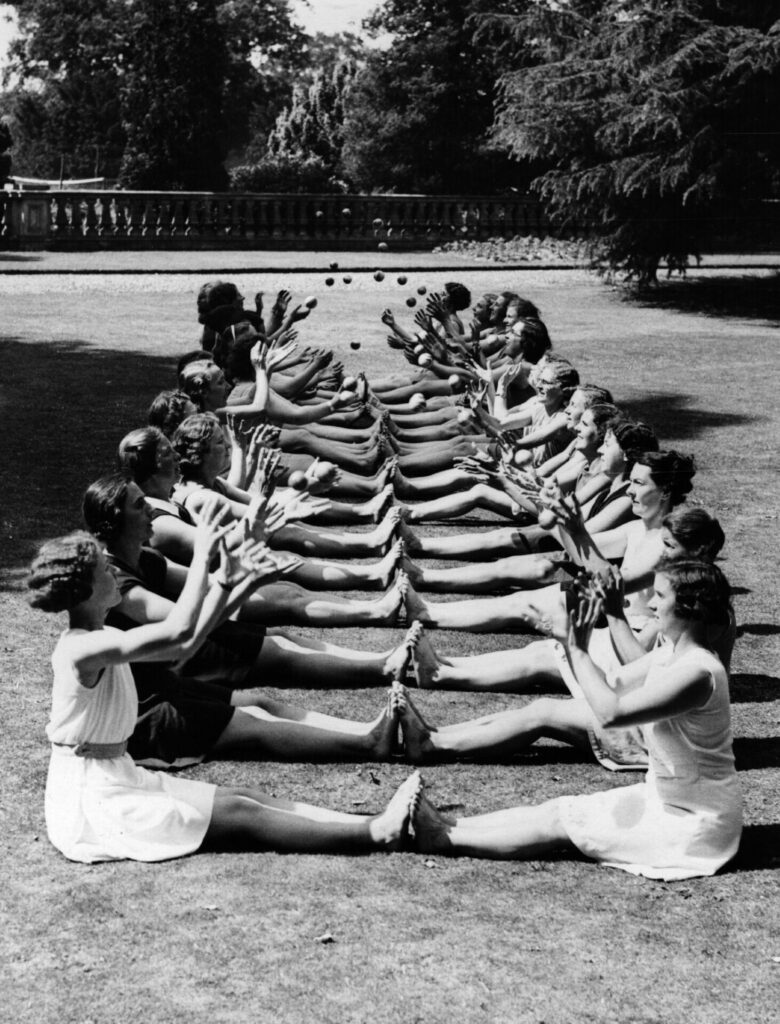
Outdoor play, for adults and children alike, was more than just recreation; it was a cultural norm. A simple game of catch or an adventurous pursuit of tag in a neighborhood park showed that one didn’t need complex regimes to stay fit — just a dash of fun and a pinch of fresh air.
Fitness in the 1940s, seen through home and outdoor practices, was about making the most of what one had. With a bit of creativity and enthusiasm, the era managed to blend the pursuit of health with the pleasure of living.
The Evolution and Influence of Early Fitness Pioneers
The 1940s also saw the emergence of fitness pioneers who began to shape what we recognize today as modern exercise culture. Among these pioneers was Charles Atlas, whose “dynamic tension” technique relied on using one’s own body as a form of resistance. Atlas wasn’t just about building muscle; he was about crafting resilience, both physically and mentally. His approach was practical — exercises could be performed at home, making them accessible to people from all walks of life.
Then, there was Jack LaLanne, often considered the godfather of fitness. His regular television show brought exercise routines to a mainstream audience, championing nutrition and fitness with equal vigor. LaLanne’s gym in Oakland, one of the first of its kind, was a testament to his belief that fitness was for everyone — and that everyone could have fun with it too.
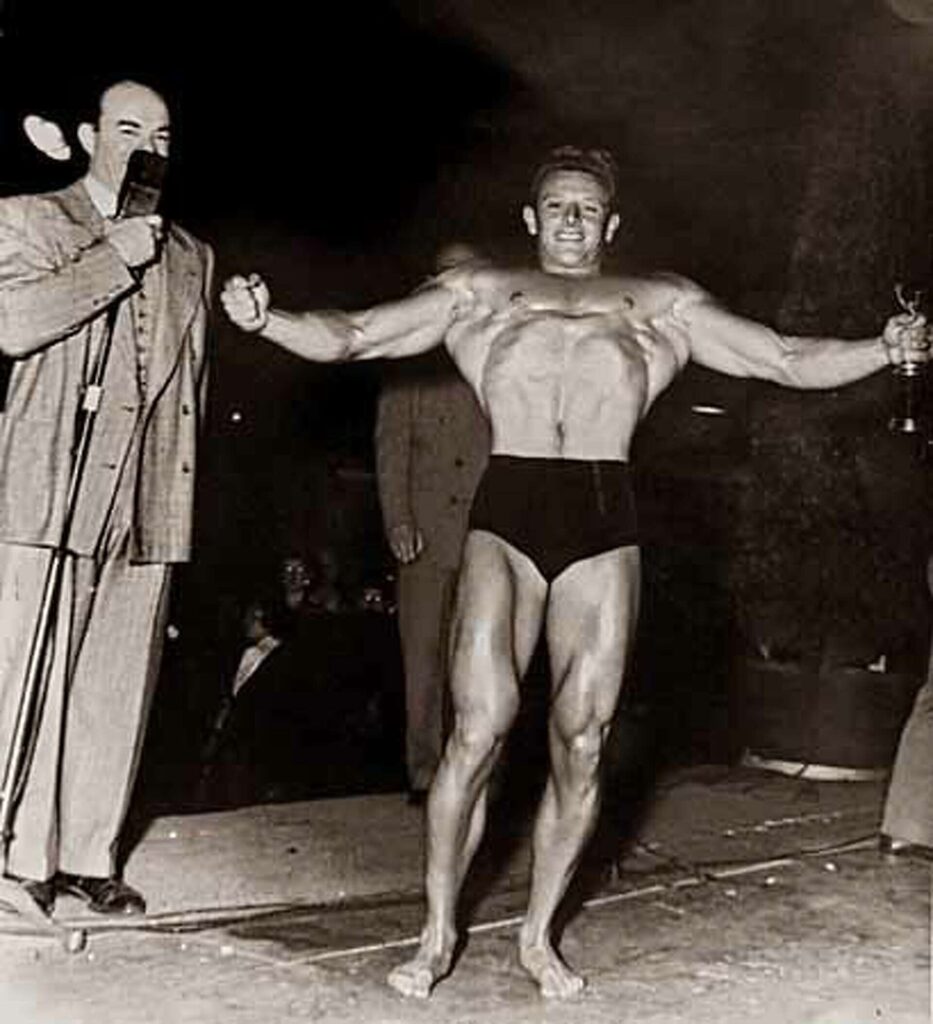
Their influence wasn’t just in exercise routines; it was in shifting the societal mindset towards viewing exercise as an integral part of life. Atlas and LaLanne captured the spirit of the 40s, which championed self-reliance and strength borne from simple, everyday activities. With their work, they laid the foundation for the burgeoning fitness industry, opening doors to new perspectives on health and wellness that echo through to modern times.
These trailblazers taught generations that the path to well-being was lined with practical perseverance and steadfast dedication, encapsulating the ethos of the era where one’s best self was always within reach.
- Colby A. Anita Colby’s Beauty Book. New York: Prentice-Hall; 1952.
- Mrs. America Homemaker’s Guide. New York: Farrar, Straus and Young; 1955.
- Friedman D. Let’s Get Physical: How Women Discovered Exercise and Reshaped the World. New York: G.P. Putnam’s Sons; 2022.