
1. Marlene Dietrich: The Chameleon of Style
Marlene Dietrich defined reinvention of style in the 1940s. Known for her androgynous flair and confident presence, Dietrich blurred the lines of traditional gender fashion. Often seen in pantsuits when women wearing trousers was unconventional, she exuded daring confidence.
Whether in a glamorous gown or fitted suit, Dietrich made a statement with simplicity and elegance. Her wardrobe reflected her adaptable persona. Her influence extended beyond films, becoming synonymous with timeless sophistication.
Dietrich's daring choices paved the way for future generations to express individuality through fashion. As one of the highest-paid Hollywood actresses of her time, her career spanned an impressive seven decades, showcasing her uncanny ability to reinvent herself1.

2. Rita Hayworth: The Love Goddess of the Screen
Rita Hayworth, known as "The Love Goddess," captivated audiences worldwide and embodied 1940s glamour. Her journey to stardom involved a transformation from Margarita Carmen Cansino to the dazzling icon we know today.
Hayworth's signature tresses were part of a larger Hollywood tradition of molding stars into idealized visions. With newly dyed locks and subtle changes, she became the personification of the exotic yet relatable starlet.
Her allure went beyond appearances, radiating from her ability to embody each role. Collaborating with talented costume designers, Hayworth's on-screen gowns were masterpieces, designed to accentuate her grace and presence. Films like "Gilda" showcased her in glistening gowns that highlighted her natural elegance.
Off-screen, Hayworth favored a more laid-back style with:
- Slacks
- Baggy jeans
- Sweaters
- Simple shirts
This off-duty look demonstrated her complexity as someone who understood allure both on and off camera.
Hayworth struck a perfect balance between style and substance, influencing fashion trends and redefining screen siren charm. With every graceful movement and sincere smile, she captured the spirit of the 1940s—a decade of resilient spirit and timeless elegance.
3. 1940s Makeup and Hairstyles
The 1940s saw Hollywood starlets setting the pace for makeup and hairstyle trends that have since become classics. These iconic beauty choices offered a sense of escapism during wartime austerity.
Bold red lips became a signature look, symbolizing resilience and strength. Popularized by actresses like Rita Hayworth and Lauren Bacall, this bright hue was often applied with precision. As women entered the workforce in unprecedented numbers, wearing red lipstick became an empowering act.
Eye makeup was typically soft and feminine, with muted shadows and winged liner creating a doe-eyed look. Perfectly shaped brows framed the eyes, completing the captivating gaze.
Hairstyles were voluminous and glamorous. Victory rolls, pin curls, and waves graced women's heads both on and off screen. These styles were not just fashionable but practical, keeping hair away from machinery for women working in factories during the war.
Rita Hayworth's transformation, featuring luscious cascading waves, made glamorous hair seem attainable. Her mermaid-like locks captured every glint of studio lighting, creating a lasting image of elegance.
The influence of Hollywood was undeniable, with many women aspiring to emulate the starlets' style. Films provided a window into a world of fantasy where every curl was perfectly placed and every face immaculately finished.
In the 1940s, beauty expressed optimism—a way to shine brightly in challenging times. With each swipe of red lipstick or perfectly placed curl, women embraced their power, resilience, and grace, much like the Hollywood icons who inspired them.

4. Influence of World War II on Fashion
World War II transformed 1940s fashion, as the demands of wartime shaped clothing choices. Rationing led to creative solutions in design, with a focus on practicality and resourcefulness.
The utility dress emerged as a no-nonsense garment for everyday wear. These dresses featured:
- Shorter hemlines
- Streamlined silhouettes
- Fewer embellishments
The shirtwaist dress became a beloved staple, embodying simplicity and versatility.
Fashion borrowed from military attire, embracing structured lines and durable fabrics. The influence of men's workwear became more pronounced, bringing a sense of unity in style that transcended gender norms. Functional details like pockets and belts were celebrated as design features.
With fabric rationed, accessories became essential for personal expression. Hats, gloves, and scarves allowed women to showcase their individuality within constrained resources.
Film and celebrities continued to influence fashion, providing inspiration during hardship. Hollywood's impact on style during wartime demonstrated that glamour and grace could endure even amid conflict.
Women of the 1940s embraced creativity, turning constraints into opportunities for style innovation. Their resourcefulness is a testament to the resilience and adaptability of the human spirit, proving that challenges often inspire the greatest creativity.

5. The Swing Dress Craze
The swing dress defined dance floors in the 1940s, embodying the spirit of freedom and joy during challenging times. More than just a fashionable ensemble, it was a statement of exuberance and an invitation to embrace life.
Rooted in swing music and jitterbug dance parties, the swing dress was designed for unrestricted movement. Its full circle skirt and forgiving fit allowed women to glide effortlessly across the dance floor, swinging and swaying to energizing beats.
The wide, flowing skirts encouraged twirling, creating a sense of movement that mirrored the uplifting tempo of the era's music. Women who wore swing dresses felt empowered by the garments' sense of liberation and joyous expression.
Vibrant patterns and bold colors often adorned these dresses, bringing a dash of flair and imagination during a time when creativity was crucial. The swing dress also reflected the evolving roles of women, as they balanced work and family life while still making time for joy and social connection.
Hollywood stars like Judy Garland brought the dress to life on screen with playful elegance, inspiring many to embrace its effervescent charm.
The swing dress remains a beloved staple, cherished for its flattering silhouette and the joyful freedom it represents. Its legacy endures, inviting us to dance through life's challenges with grace and a sense of lighthearted fun.

6. The Advent of Dior's New Look
As the 1940s drew to a close, Christian Dior unveiled a collection that would forever alter fashion. Dubbed the "New Look," this 1947 collection marked a departure from wartime utility styles, celebrating femininity and opulence.
The New Look featured dramatic silhouettes with:
- Nipped-in waists
- Voluminous skirts
- Soft rounded shoulders
This was a stark contrast to the boxy, practical garments of the war era. Dior's designs accentuated natural curves, evoking elegance that resonated with women yearning for pre-war glamour.
This collection did more than transform wardrobes; it re-established Paris as the epicenter of fashion innovation. The focus on luxurious fabrics and regal silhouettes served as a beacon of hope and prosperity, encouraging women to embrace their femininity.
The New Look influenced cultural attitudes toward women and their roles in society. By celebrating curves and embellishment, Dior's designs rejected austerity while empowering women to revel in their individuality.
The reception was immediate and widespread, marking a turning point in fashion history. Celebrities and everyday women alike clamored for these stunning creations, ushering in an era of renewed creativity and expression.
Today, the legacy of the New Look serves as a reminder of fashion's power to influence and inspire. It was a celebration of life's luxuries and a testament to the spirit of reinvention, reflecting the timeless allure of style and its ability to shape both individuals and society.
7. Starlet Style: Hollywood's Role in 1940s Fashion
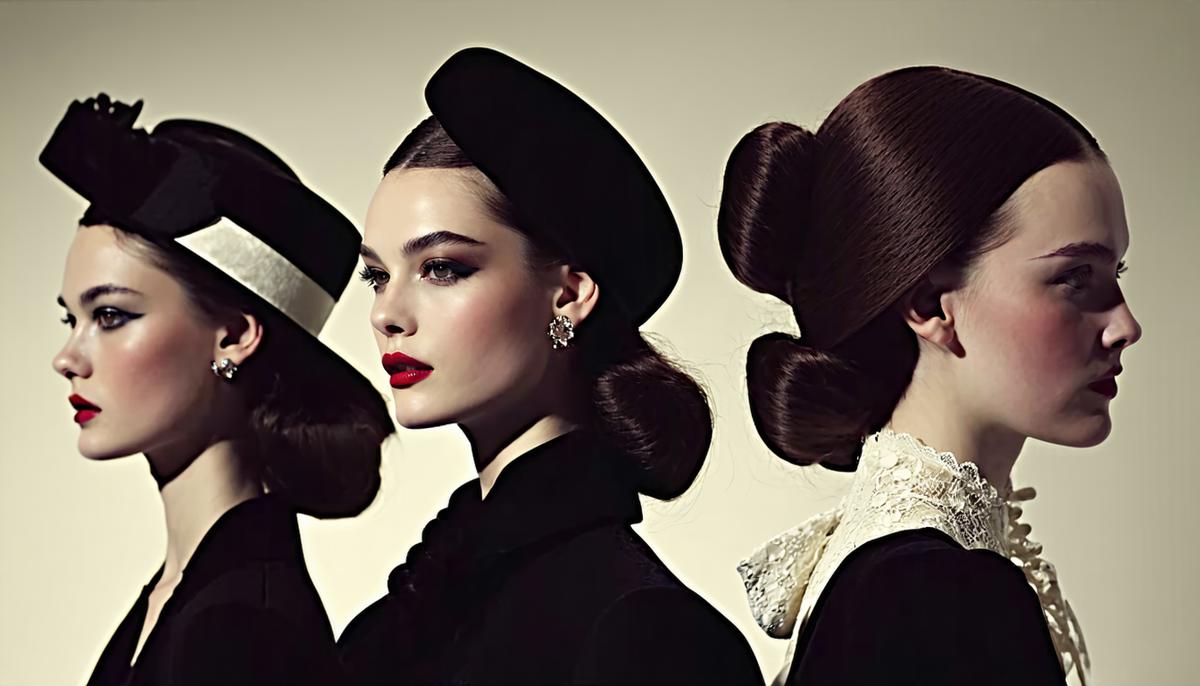
In Hollywood's golden age, movie screens became a canvas for fashion trends that rippled through society. The glamor of Tinseltown drew people into a world where elegance reigned supreme, and each starlet embodied an idealized vision of beauty and style. During this period, Hollywood had a significant influence on 1940s fashion, shaping trends that became staples in everyday wardrobes.
One of the most striking influences was the rise of pin-up styles. Actresses like Rita Hayworth and Betty Grable graced magazine covers, offering a blend of allure and approachability. Their fashion, characterized by form-fitting silhouettes, playful prints, and flirtatious necklines, inspired women who wanted to emulate the starlets' charm. This style celebrated femininity with a touch of cheekiness, leaving a lasting imprint on fashion.
Hollywood's evening wear was another vibrant element of 1940s fashion. The grand gowns worn by leading ladies on screen inspired women to embrace elegance in their own wardrobes. These dresses were often embellished with sequins, satin, and lace, crafted to shimmer under the limelight. They set a high bar for glamor, transforming the way evening wear was perceived.
Off the red carpet, movie costumes became inspiration for day-to-day fashion. Stars like Lauren Bacall and Ingrid Bergman made statements with their chic, fitted suits and sophisticated separates, either on screen or in studio images. This blending of on-screen style with off-screen simplicity provided a fresh perspective on how women balanced work, leisure, and elegance.
Hollywood's influence extended beyond clothing to hairstyles and makeup. Starlets set the tone with their carefully styled curls and bold makeup looks, offering templates that women across the nation eagerly adopted. Hair salons and cosmetics counters became gateways to this coveted allure, making it accessible to many.
Key Elements of 1940s Hollywood Fashion:
- Pin-up styles with form-fitting silhouettes
- Glamorous evening gowns with sequins and lace
- Chic suits and sophisticated separates
- Carefully styled curls and bold makeup
- Accessories like gloves, hats, and statement jewelry
In essence, Hollywood's influence in the 1940s shaped a fashion story that intertwined fantasy and reality. The screen sirens served as both muse and model, reflecting and molding society's perceptions of beauty and style. The era's fashion was a celebration of sophistication, charm, and individuality, echoing the spirit of a time when the world looked to the silver screen for inspiration.

As we consider the dynamic landscape of 1940s fashion, one theme stands out: resilience. Through creativity and adaptability, this era transformed constraints into opportunities for style innovation. The legacy of this decade continues to inspire us today, reminding us of the power of fashion to reflect and shape our world.
"A lot of these kids don't have any women in their life to fight for – I guess what you would call us girls is kind of their inspiration. It is a grave responsibility." – Betty Grable
This quote from Betty Grable, one of the most popular pin-up girls of the 1940s, highlights the significant role that Hollywood actresses played in boosting morale during World War II. Their fashion choices and public personas became a source of inspiration and escapism for many, particularly soldiers serving overseas.
The influence of 1940s Hollywood fashion extends far beyond its time, continuing to inspire designers and fashion enthusiasts today. From the timeless elegance of Rita Hayworth to the bold style statements of Lauren Bacall, the golden age of Hollywood left an indelible mark on the fashion world, proving that true style is indeed eternal.