
Knee-Length Coats and Trench Coats
Knee-length coats and trench coats emerged from the fabric scarcity of the 1940s. Wartime challenges led designers to shorten coats, a practical move that became a timeless classic. These coats allowed for movement without the hindrance of heavy fabrics.
Today, knee-length coats and trenches still dominate runways and streets. They combine elegance and function, transcending seasons and trends. From Moschino’s military-inspired designs to everyday wear, trench coats showcase their versatile roots. Modern wearers can choose from traditional cotton gabardine to innovative waterproof fabrics.
The reimagined knee-length coat remains popular, proving that tough times can inspire enduring styles.
Floral Dresses and Rayon Fabric
Floral dresses of the 1940s flourished despite fabric rationing, thanks to rayon. This synthetic fiber, less regulated than natural materials, became the canvas for vibrant patterns. Women embraced these dresses as a cheerful respite amid wartime gloom.
Rayon floral dresses blended function with flair, featuring:
- Knee-length cuts
- Straightforward silhouettes
- A touch of femininity without excess
Today, floral dresses remain popular in casual wear, crafted from various fabrics. Modern versions range from delicate daisy prints to bold, oversized roses. The spirit of making more with less continues to inspire contemporary fashion.
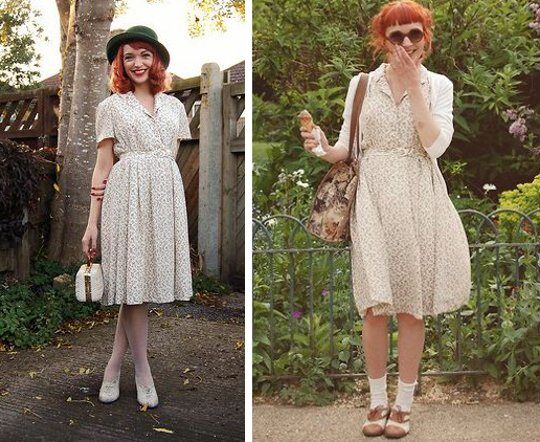
These dresses adapt easily to different styles – pair them with sneakers for a relaxed look or a structured blazer for a more polished outfit. The floral dress, born from wartime ingenuity, continues to bring a bit of optimism to everyday wardrobes.
Pencil Skirts and Material Conservation
The pencil skirt emerged from the fabric restrictions of the 1940s. Government mandates required garments to use less material, leading to sleeker designs. Designers trimmed excess and celebrated simplicity, creating a form-fitting skirt that hugged the body elegantly.
Today, the pencil skirt remains a closet staple, gracing offices and parties alike. Its structured form continues to balance efficiency with elegance. Modern versions come in various colors, patterns, and materials, playfully exploring bolder looks while honoring their fabric-saving roots.
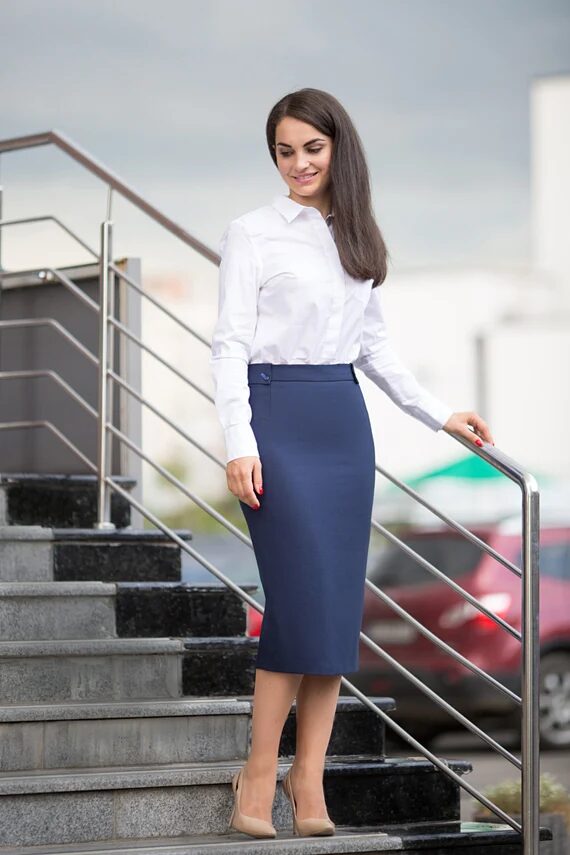
The pencil skirt’s enduring appeal lies in its adaptability across decades. From wartime austerity to contemporary fashion, it represents resilience and reinvented femininity. It stands as a lasting icon of sophistication and practicality, bridging past and present in the ever-changing world of fashion.
Masculine Style Suits and Sustainability
The 1940s saw women adopting masculine-style suits, blending practicality with wartime patriotism. Designers and homemakers transformed men’s suits into chic women’s wear, showcasing resourcefulness when every scrap of fabric counted.
These suits borrowed elements from men’s styles:
- Broad shoulders
- Nipped waists
- Straight lines
These features gave wearers a sense of strength and purpose. McCall’s magazine even released patterns showing how women could turn their husband’s suits into their own stylish outfits.
Today, we see echoes of these styles in modern fashion. Pantsuits exude confidence, mixing masculine tailoring with feminine cuts. Sustainable practices are resurging, with designers drawing inspiration from wartime wisdom of recycling and repurposing.
The no-nonsense ethos of 1940s fashion endures in contemporary collections, reminding us of the powerful elegance found in simplicity and resourcefulness. It laid down a blueprint for sustainability that resonates even now, urging us to value clever design and efficient use of materials.
Hair Scarves and Functional Fashion
In 1940s factories, hair scarves became essential for women taking on new roles. These scarves were both practical and stylish, keeping hair safely in place while adding a touch of femininity to work attire.
The iconic image of Rosie the Riveter, with her patterned scarf, symbolizes this blend of utility and style. It represented women's resolve to adapt and thrive in challenging times.
Today, hair scarves have transformed from purely functional items to versatile fashion accessories. They’re worn in countless ways:
- As headbands
- Woven into hairstyles
- Tied elegantly in ponytails
From silk to vibrant prints, they add personality to any outfit.

This journey from necessity to fashion staple showcases how style evolves across eras. The hair scarf stands as a tribute to the ingenuity of everyday women, bridging past and present in a colorful, adaptable accessory.
Reflecting on the enduring charm of fashion from the 1940s, it’s clear that necessity often breeds timeless elegance. The styles born from those challenging times continue to inspire, reminding us that innovation and creativity can thrive even in adversity.
- Vogue. Fashion in the 1940s. Vogue Magazine. 1944;1:25-30.
- McCall’s Magazine. Transforming Men’s Suits. McCall’s. 1942;12:45-48.
- Couture Allure. 1940s Coat Trends. Vintage Fashion Blog. 1990;5:10-15.