1. The Shirtwaist Dress
The Shirtwaist Dress was a 1940s wardrobe staple, loved for its practical elegance. It featured:
- Buttons down the front
- A nipped waist
- A full skirt
This combination created a feminine silhouette. Made from cotton or rayon, it was comfortable and versatile enough for various occasions.
During wartime rationing, the shirtwaist offered a perfect blend of simplicity and style. Its collared neckline added polish, making it suitable for work or social outings. With the right accessories, it could transition from day to evening wear.
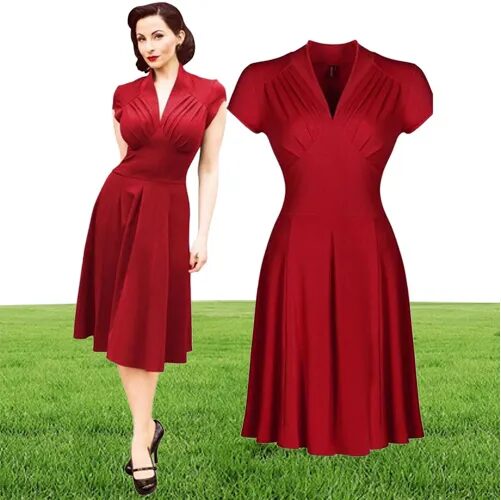
The dress symbolized a shift towards more practical yet fashionable attire as women took on different roles during the war. It perfectly balanced functionality and femininity, becoming a classic representation of 1940s fashion that’s still celebrated for its timeless appeal and adaptability.
2. The Utility Dress
The Utility Dress emerged as a clever response to fabric rationing during the 1940s. It featured simple silhouettes with nipped-in waists and A-line skirts, prioritizing ease of movement and minimal fabric use. Despite its practicality, the dress maintained a subtle sophistication in its structure and form.
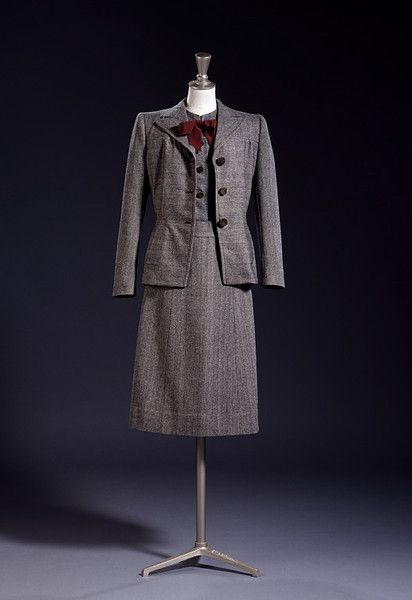
Crafted from durable, locally sourced fabrics like:
- Herringbone
- Gabardine
- Recycled wool
These dresses could withstand daily wear and tear. Creative women often added personal touches like handmade belts or distinctive collars to jazz up their utility dresses.
"More than just clothing, the Utility Dress symbolized the resilience and creativity required during wartime."
It showcased how women could adapt their fashion choices to wartime constraints while still looking put-together. The dress’s legacy endures as a reminder of how style and pragmatism can coexist, even in challenging times.
3. The Veronica Lake Look
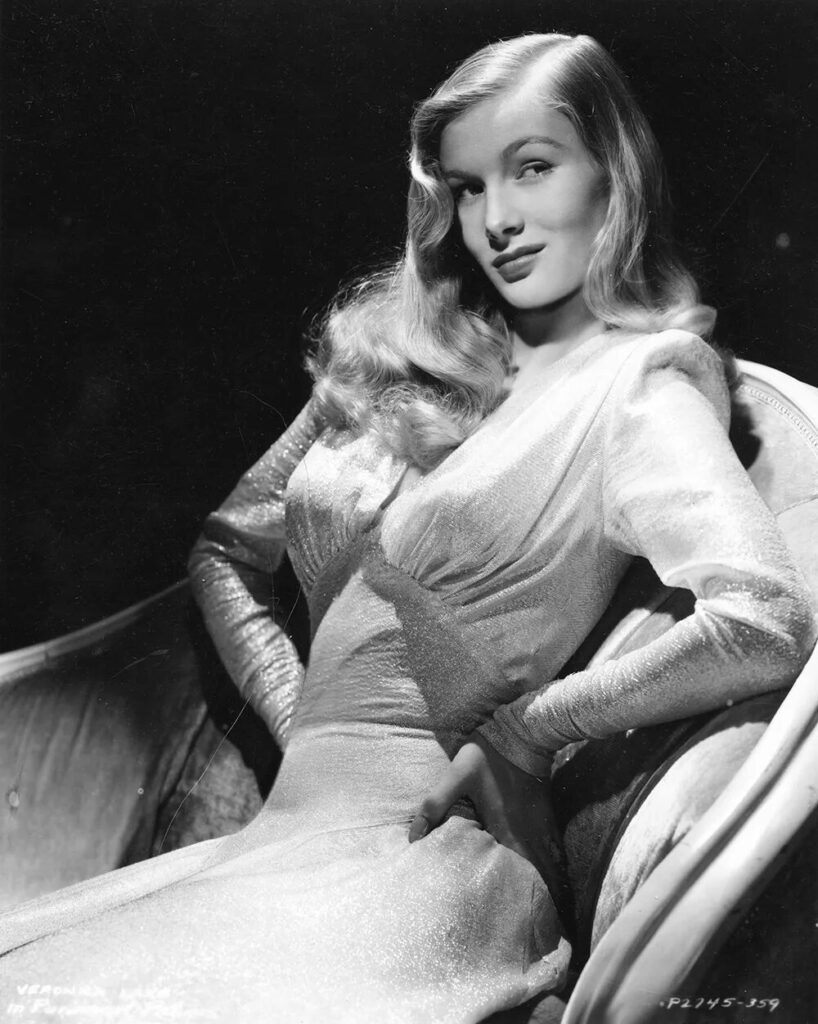
Veronica Lake, a 1940s Hollywood icon, influenced fashion with her glamorous style. Her signature look often featured:
- Daring plunging necklines
- Form-fitting silhouettes
- Luxurious fabrics like silk and satin
- Dramatic details such as intricate beading or sequins
While not every woman could pull off Lake’s high-glamour look for everyday wear, her style inspired adaptations for evening wear and special occasions.
The Veronica Lake look celebrated a woman’s silhouette and highlighted Hollywood’s growing influence on global fashion trends. It offered a vision of glamour and mystique that captured imaginations, leaving an imprint that continues to inspire modern fashion interpretations.
4. The Swing Dress
The Swing Dress was the queen of 1940s dance halls, designed for movement with its expansive skirt and fitted bodice. It was perfect for energetic dances like the jitterbug, creating a visual spectacle with each twirl and spin.
These dresses often featured playful patterns like:
- Polka dots
- Floral prints
- Bold stripes
Echoing the exuberance of swing music, they were made from light, breathable fabrics like cotton and rayon, allowing dancers to stay cool while looking stylish.
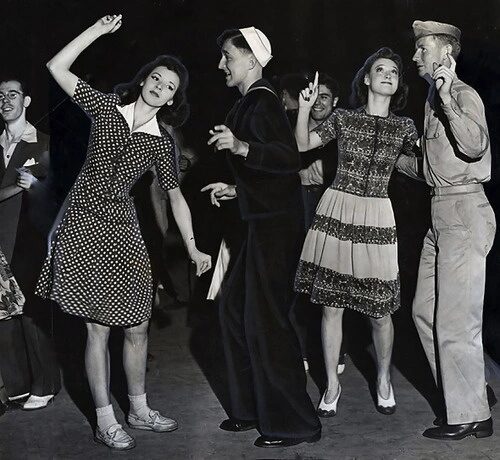
Women paired their Swing Dresses with accessories like brooches, victory rolls in their hair, and sturdy yet stylish shoes. The dress embodied the era’s free spirit, encouraging women to embrace the joy of the dance floor.
Even today, the Swing Dress is celebrated for its lively expression and reminder of a time when dance offered a joyful escape. It continues to inspire, inviting us to revel in rhythm and remember that elegance and playfulness can coexist beautifully.
5. The Peplum Dress
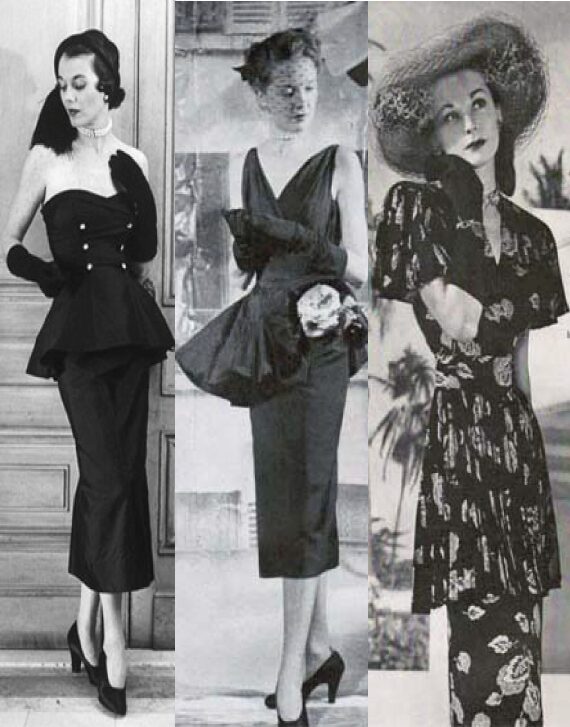
The Peplum Dress added a whimsical flair to 1940s fashion with its distinct flounce or short overskirt. This clever design emphasized the waist and hips, creating an enviable hourglass figure. It was versatile enough for both daywear and elegant evening attire, adapting to various settings through fabric choices.
More than just a fashion statement, the peplum dress symbolized the era’s celebration of femininity. As women took on new roles in a changing world, this style allowed them to embrace their curves with confidence.
The peplum design reflected the post-war shift towards softer, more feminine aesthetics. It was often accessorized with:
- Delicate gloves
- Pillbox hats
Today, the peplum still echoes in modern fashion, reminding us that style can be both playful and empowering.
6. The Day Dress
The Day Dress of the 1940s was a versatile garment designed to balance style with practicality. As women stepped into new roles during the war years, this dress became an essential part of their wardrobes.
Key features of the Day Dress included:
- Simple, clean lines
- Fitted bodice
- Knee-length skirt
- Functional details like collars, buttons, and pockets
- Belts or ties to cinch the waist
Typically made from sturdy, easy-care fabrics like cotton or wool blends, the Day Dress could go from running errands to a casual evening out with a simple change of accessories. This adaptability made it a symbol of women’s resourcefulness during challenging times.
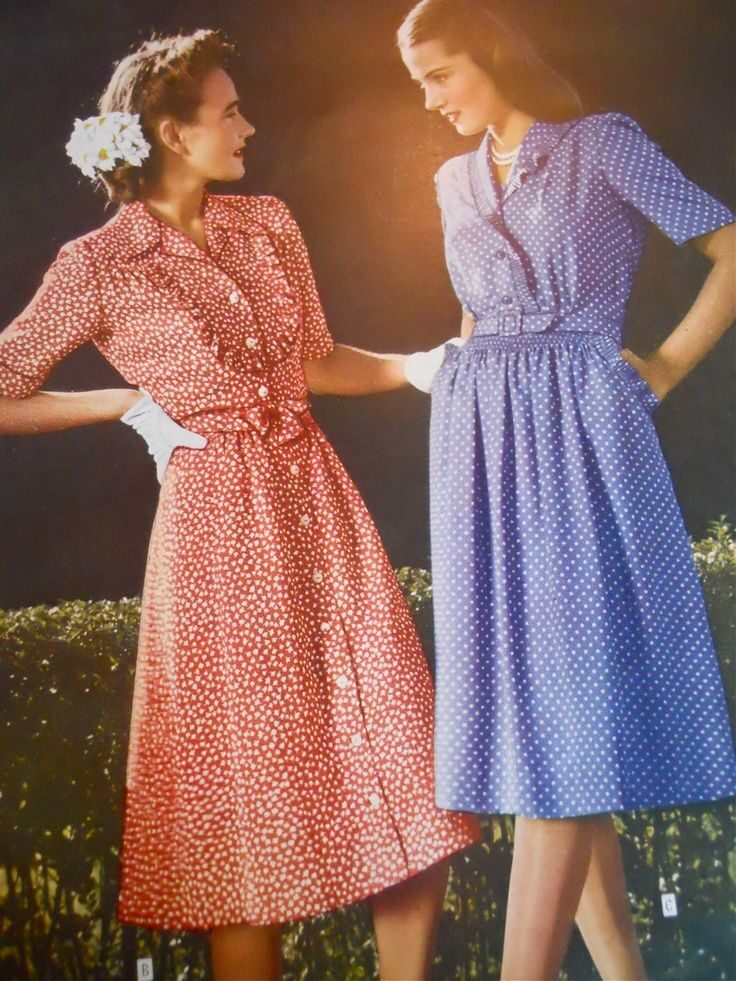
Reflecting the changing society, the Day Dress empowered wearers to embrace their evolving roles while looking stylish. Its legacy of versatility and elegance continues to influence modern fashion, showcasing its enduring charm and adaptability.
7. The Hollywood Glamour Gown
The Hollywood Glamour Gown of the 1940s embodied elegance and sophistication, inspired by the film stars of the silver screen. These gowns celebrated fantasy and high style during a time when escapism was valued.
Made from luxurious materials like satin, velvet, and silk, these floor-length gowns created a silhouette reminiscent of art deco masterpieces. Draped sleeves and sweeping trains added dramatic flair. The gowns accentuated curves with structured bodices and defined waistlines, creating an hourglass shape.
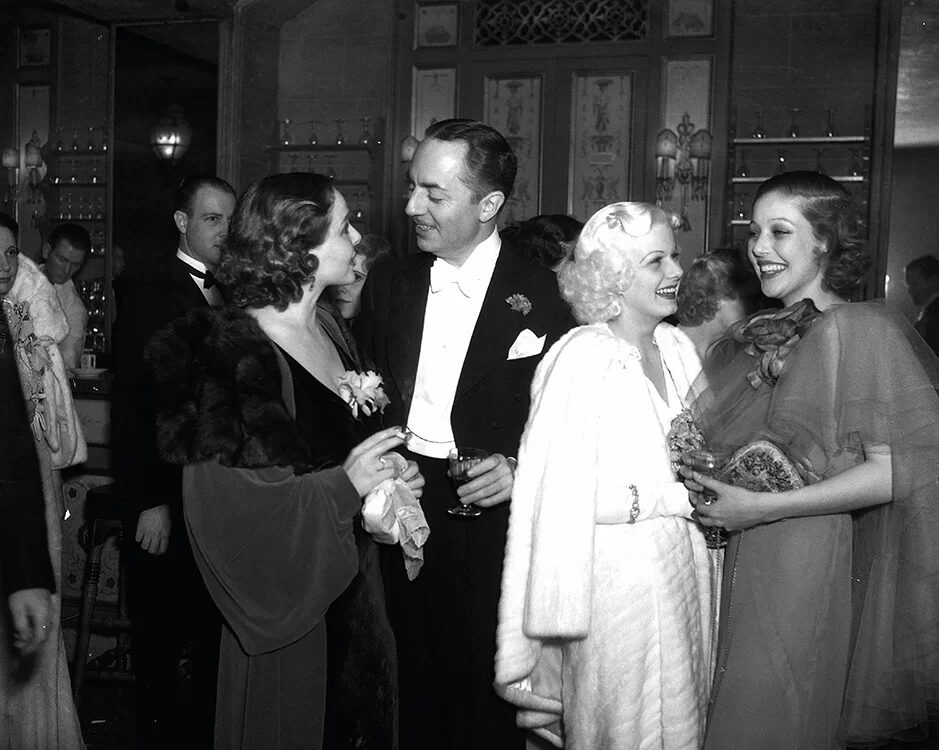
Intricate beadwork, sequins, and embellishments often adorned these gowns, making them shimmer in the light. Accessories completed the red-carpet look:
- Long gloves
- Statement necklaces
- Elegant clutches
The Hollywood Glamour Gown offered women a chance to channel the confidence and poise of their favorite screen idols. Today, its influence can still be seen in modern red-carpet designs, reminding us of the allure of Hollywood’s golden era.
8. The Military-Inspired Look
During the 1940s, fashion embraced a military-inspired aesthetic that paid homage to those serving in World War II. This look incorporated elements like structured shoulders, brass buttons, and utilitarian details into stylish dresses.
These dresses featured sharp lines and precise tailoring, reminiscent of military uniforms. Structured shoulders created a strong silhouette, empowering women during wartime. Colors were inspired by military hues—olive greens, navy blues, and muted browns—but were far from drab. Epaulettes, belted waists, and decorative stitching added elegance and personality.
The Military-Inspired Look symbolized unity and resilience, representing women’s support for the war effort. Accessories that completed the ensemble included:
- Double-breasted jackets
- Structured blazers
- Classic pumps
- Practical handbags
This style has remained an iconic staple in fashion, continuously reimagined in contemporary designs. It serves as a reminder of a time when practicality and elegance blended seamlessly, celebrating an era when fashion intertwined with history.
9. The Cocktail Dress
In the late 1940s, the Cocktail Dress emerged as the perfect blend of refinement and relaxed charm. With hemlines often at knee-length, it bridged the gap between formal evening wear and casual day attire, ideal for late afternoon and early evening gatherings.
These dresses featured elegant fabrics like silk or satin in a variety of colors and patterns, reflecting the optimism of the post-war era. Bold florals, polka dots, and abstract prints were popular. A structured bodice and full skirt offered a balance between playful and poised.
The Cocktail Dress became a style statement for women embracing new social opportunities. It allowed for ease of movement while maintaining sophistication, perfect for cocktail parties or evenings out with friends.
Women paired their cocktail dresses with:
- Elegant jewelry
- Chic clutches
- Eye-catching heels
- Gloves and fascinators (for added whimsy)
Today, the Cocktail Dress remains a beloved staple in modern fashion, its playful elegance continuing to inspire designers and fashion enthusiasts alike.
10. The Tea-Length Dress
The Tea-Length Dress of the 1940s struck a balance between formal gowns and casual daywear. With its hemline falling between the knee and ankle, it offered a blend of sophistication and functionality, perfect for the modern woman juggling multiple roles.
Versatility was key to its appeal. The Tea-Length Dress could transition from afternoon tea gatherings to elegant dinners with ease. Made from luxurious fabrics like silk, crepe, and chiffon, these dresses often featured intricate designs and thoughtful details such as florals, stripes, and subtle embroidery.
The dress typically had a fitted bodice that flared into an A-line skirt, creating a timeless silhouette flattering to many body types. Accessories played a crucial role in elevating the look from day to night. Popular additions included:
- Pearls
- Handbags
- Peep-toe heels
- Hats
More than just clothing, the Tea-Length Dress represented the changing landscape of fashion and women’s evolving social roles. It offered a sprinkle of glamour to everyday life while maintaining practicality.
The legacy of the Tea-Length Dress lives on in modern fashion, continuing to capture hearts with its blend of practicality and poise.

In 1940s fashion, each garment tells a story of resilience and elegance. The era’s styles offered women both functionality and beauty, allowing them to express themselves amidst changing roles and societal shifts.