
Iconic Silhouettes and Styles
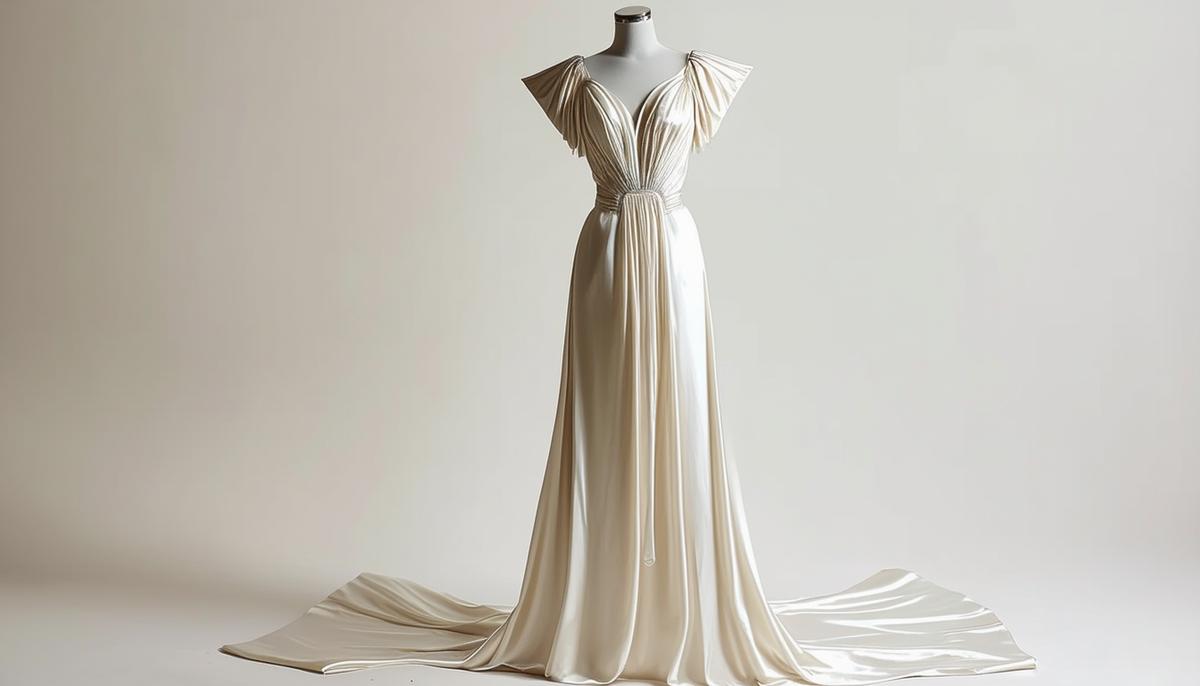
The elegance of 1940s evening gowns shines through their iconic silhouettes and styles. One unforgettable style was the Grecian gown, sweeping across the floor with vertical grace and hugging curves. Pointed shoulder pads added drama, making wearers appear taller and more commanding.
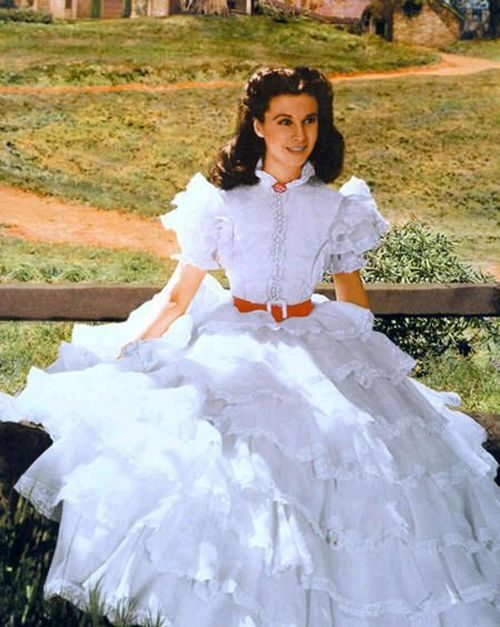
Victorian/Princess ballgowns were a nod to bygone eras with a modern twist. “Gone with the Wind” fanned the flames of this influence, with voluminous skirts and fitted bodices perfect for twirling under chandeliers. Elizabeth Taylor embraced strapless bodices and off-the-shoulder necklines by the late ’40s.
The wrap dress was another marvel of the time. Simple fabric transformations—criss-crosses and pintucks—gave way to elegant wraps that turned heads. The 1940s also played with ruching and intricate seaming details, adding texture and charm. Lauren Bacall effortlessly showcased such looks, embodying seduction through simplicity.
Influence of Hollywood Glamour
Hollywood’s influence in the 1940s was powerful, particularly regarding evening gown fashion. The silver screen provided a stage where stars like Barbara Stanwyck, Rita Hayworth, and Katharine Hepburn showcased exquisite sartorial masterpieces that set styles across the nation.
- Barbara Stanwyck’s wardrobe often mirrored her poised yet formidable characters, gracing the screen with dresses that highlighted her strong, feminine aura.
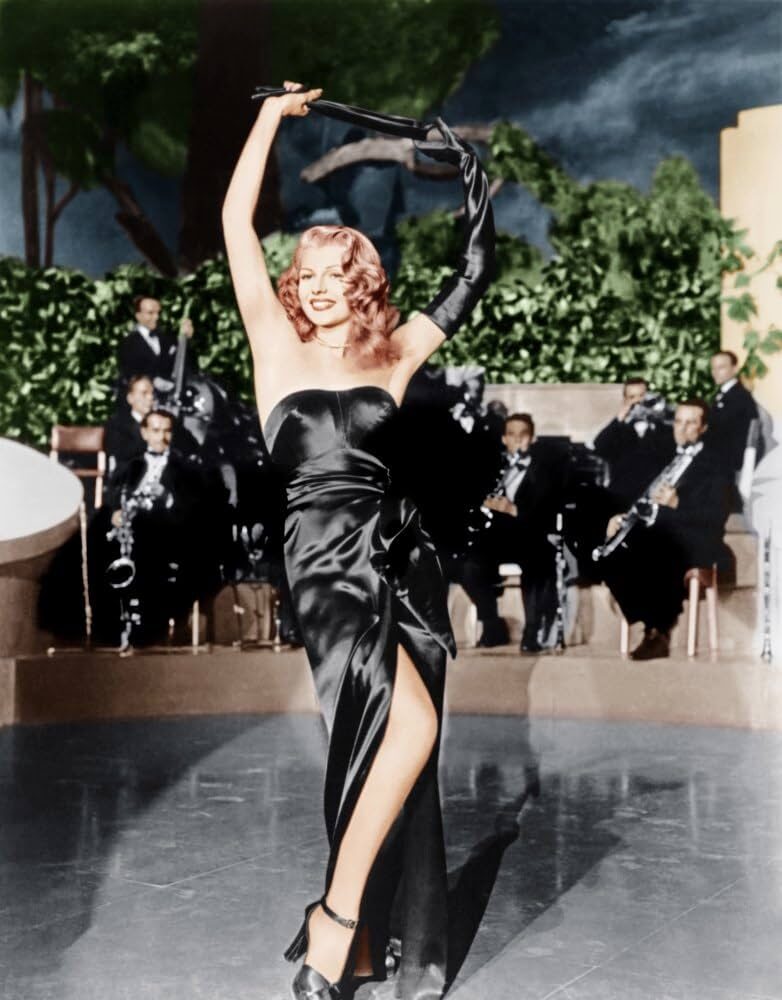
- Rita Hayworth brought sizzle and sensuality, with her role in “Gilda” remaining iconic partly due to the spectacular gowns.
- Katharine Hepburn offered a vision of elegance with Grecian influences that melded tradition with style.
Through these portrayals, the 1940s weren’t just about clothes, but about embodying sophistication and grace. Starlets draped in glamorous gowns exuded confidence and allure that spoke volumes. Fashion was woven into the dreams and desires of those who watched on in admiration, making the 1940s an era of undeniable style.
Materials and Embellishments
Luxurious materials and intricate embellishments defined the opulence of 1940s evening gowns. Satin and taffeta were the crown jewels of fabric choices, each bringing its own unique touch. These materials flowed and shimmered under soft lighting, capturing an essence of glamour.
Satin, with its glossy surface, hugged the silhouette, highlighting every curve. Taffeta added structure and volume, perfect for full skirts of Victorian/Princess ballgowns. The rustling sound of taffeta swishing with every step added to the allure.
Embellishments transformed simple dresses into masterpieces:
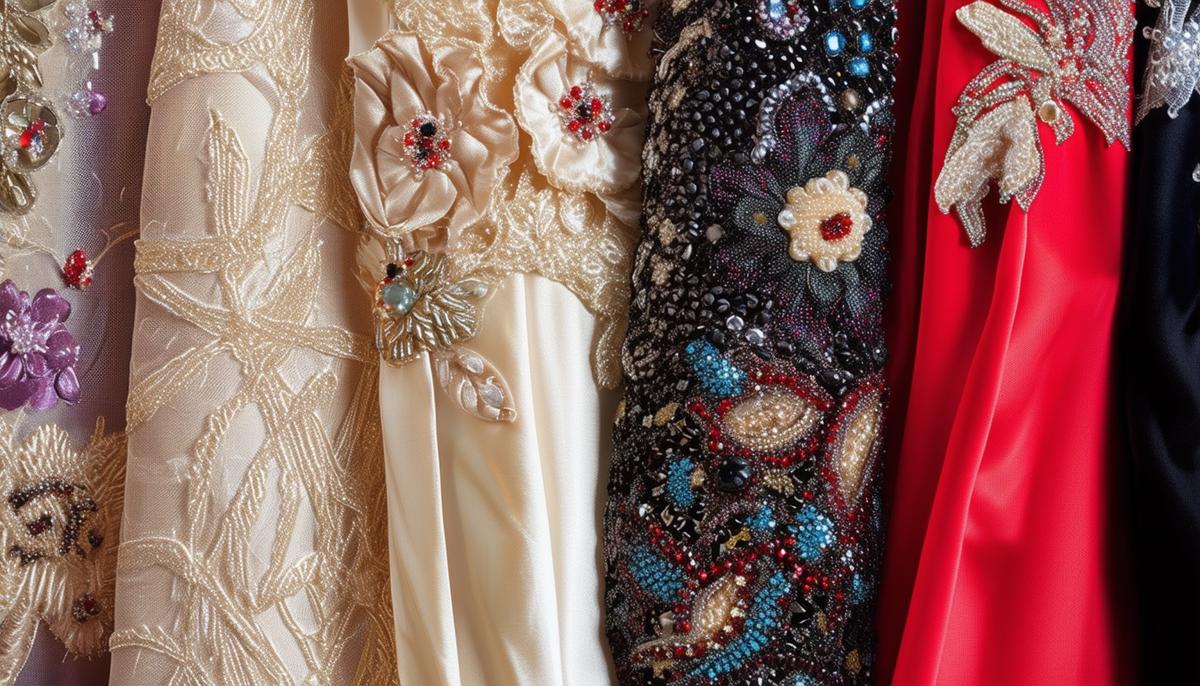
- Sequins and beads added sparkle and texture
- Appliqué provided artistic flair with intricate motifs
These elements weren’t merely decorative; they elevated the gowns into a different sphere of elegance. In many ways, these embellishments were an extension of the wearer’s personality and status. Each bead and sequin sewn into the fabric was a legacy of the timeless allure that 1940s gowns embodied.
Cultural and Social Context
The 1940s were marked by dramatic social and cultural transformations that deeply influenced fashion. Post-World War II brought optimism and a desire to embrace beauty and sophistication. Women, eager to reclaim individualism and femininity after wartime austerity, found empowerment in fashion’s creative resurgence.
Economic rejuvenation allowed people to indulge more, with fashion at the forefront of this cultural shift. Hollywood catalyzed this movement, with actresses shaping public perceptions of elegance and style. Movies became a powerful medium for fashion dissemination, capturing the imagination of a society hungry for glamour.
The rise of fashion icons like Edith Head was pivotal. Her intricate designs, famously winning an Academy Award for “The Heiress,” set trends that everyday women aspired to emulate. Her work encapsulated the decade’s graceful transition from utilitarian to opulent.

Women’s evolving roles, having entered the workforce during the war, influenced fashion. Evening gowns reflected a blend of newfound freedoms with a return to femininity, creating ensembles that revered classic elegance while offering a modern assertion of identity.
The cultural landscape fostered unity and communal celebration. Balls and social events became expressions of hope, where evening gowns played a vital role as symbols of resilience and joy.
The 1940s evening gowns stand as a testament to a time when fashion was a beacon of hope and elegance. They captured the spirit of an era that celebrated beauty, individuality, and resilience. These gowns were more than just garments; they were symbols of optimism and sophistication, reflecting a society eager to embrace a brighter future.
- Stanwyck B. Flesh and Fantasy. Universal Pictures; 1943.
- Hayworth R. Gilda. Columbia Pictures; 1946.
- Hepburn K. The Philadelphia Story. Metro-Goldwyn-Mayer; 1940.
- Landis C. Moon Over Miami. 20th Century Fox; 1941.
- Bergman I. Notorious. RKO Radio Pictures; 1946.
- Leigh V. Gone with the Wind. Metro-Goldwyn-Mayer; 1939.
- Fontaine J. Suspicion. RKO Radio Pictures; 1941.
- Taylor E. Unfaithfully Yours. 20th Century Fox; 1948.
- Lupino I, Sheridan A. Various film noir productions. 1940-1950.
- Bacall L. To Have and Have Not. Warner Bros.; 1944.
- Head E. The Heiress. Paramount Pictures; 1949.