
In American culinary history, the 1940s stand out as a decade where resourcefulness and creativity took center stage. Families found comfort in practical yet delightful dishes, each meal showcasing ingenuity amid challenging times. This era was marked by an ability to transform simple ingredients into meals that brought warmth and unity to households across the nation.
1. Meatloaf
Meatloaf was the quintessential comfort food in 1940s America. Its popularity soared due to its versatility and ability to stretch ingredients during wartime rationing. Families could use different meats, breadcrumbs, and spices to suit what was on hand, creating a truly adaptable dish. This made it a consistent staple at dinner tables across the country.
The aroma of a freshly baked loaf was enough to brighten tough days, bringing families together around the dining table. This simplicity and ingenuity gave meatloaf a special place in the hearts of many, making it an enduring icon of American culinary tradition.

2. Chicken a la King
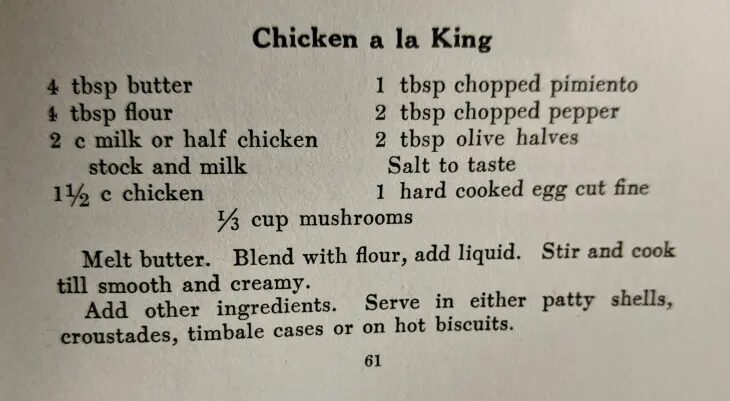
Chicken a la King became a beloved choice for family dinners in the 1940s, offering a symphony of savory flavors that brought warmth to many kitchens. The dish’s beauty lay in its simplicity and adaptability. Diced chicken, enveloped in a luxuriant cream sauce with mushrooms and vegetables, was typically served over rice or bread – making it both economical and satisfying.
In a time when stretching ingredients was necessary, Chicken a la King provided an opportunity to use pantry staples effectively while delivering a meal that felt indulgent. Families could modify the recipe based on available ingredients, swapping in different vegetables or adjusting seasonings to keep mealtimes exciting. It struck a balance between casual and elegant, perfect for both weeknight dinners and more formal gatherings.
3. Jell-O Salads
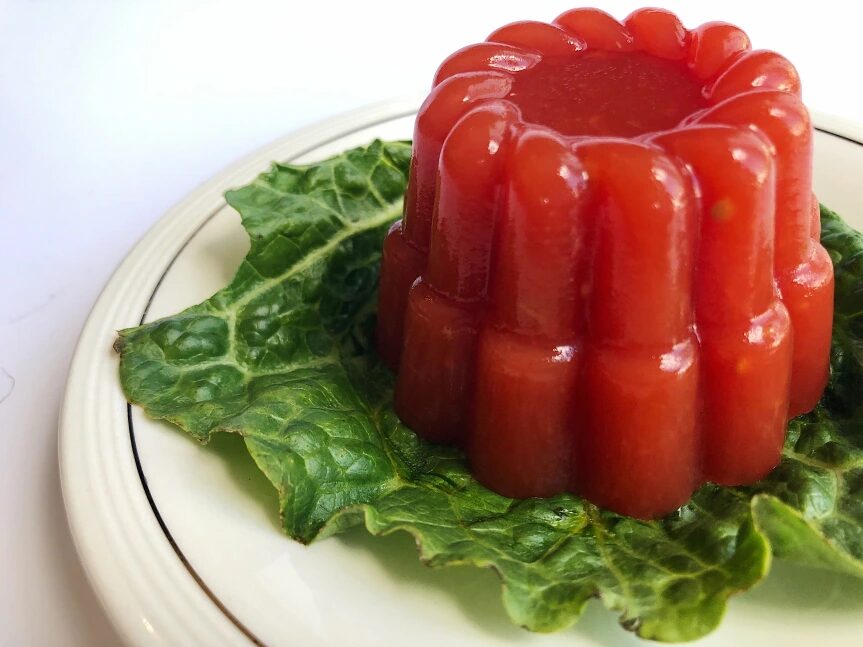
Jell-O salads were a vibrant splash of creativity in 1940s kitchens, capturing the essence of post-war ingenuity with every colorful jiggle. These gelatin-based marvels became popular for their affordability and ability to turn ordinary pantry items into culinary artwork. Home cooks could incorporate whatever was available—fruits, vegetables, and sometimes even marshmallows or nuts—into their wobbly creations.
These salads were more than just food; they were a testament to the resourcefulness of a generation that sought joy in simplicity. The varying hues mirrored the vibrant fabric of a society that was healing and building after the war. Each bite was a celebration of small luxuries, and the fact that something so simple could look so fun made Jell-O salads a beloved hallmark of 1940s dining.
Whether served at holiday gatherings or casual family meals, these salads symbolized togetherness and adaptability. The combination of sweet and savory tested the boundaries of what was expected, redefining what salads and desserts could be. It was a culinary tradition that sparked conversations, brought people together, and proved that in the world of Jell-O, creativity knew no bounds.
4. Chipped Beef on Toast
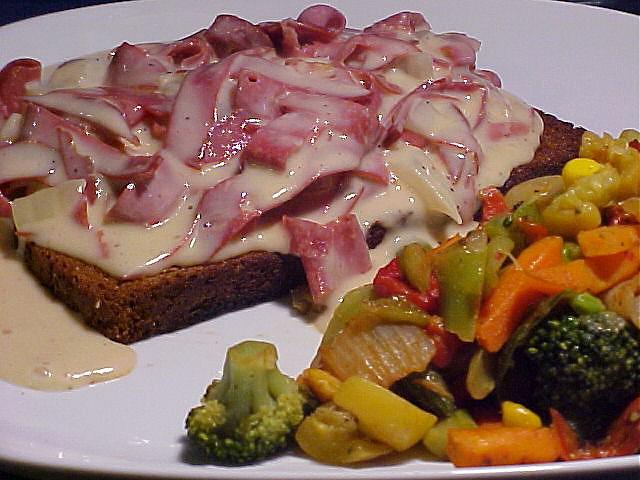
Chipped beef on toast, affectionately known by some as “SOS,” was a morning mainstay during the 1940s. Its origin is often linked to military meals, but it quickly found its way to civilian tables. At its core, this dish made use of wafer-thin slices of dried, salted beef rehydrated in a white sauce, all served over warm toast or biscuits.
While wartime rationing might have limited other breakfast options, chipped beef on toast turned necessity into a form of culinary art. It was a dish of delightful contrasts—the strong saltiness of the beef partnered well with the mellow, milky notes of the sauce, creating a satisfying start to any day.
Its role in the 1940s breakfast scene was not just one of nourishment but of community. Families gathered around the breakfast table, savoring the moment with steaming cups of coffee, exchanging stories and laughter while enjoying this simple dish. There was something comforting about its uniformity: whether you were a soldier a world away or a family stateside, chipped beef on toast forged a quiet bond of shared experience.
5. Spaghetti with Meat Sauce
Spaghetti with meat sauce emerged as a staple in 1940s America, embodying a hearty embrace of Italian-American cuisine. This dish found its footing during an era of resourcefulness, appealing to households seeking delicious meals without straining the wallet. The aroma of simmering meat sauce—dancing with notes of garlic, tomatoes, and spices—filled homes with warmth and hunger-inducing scents.
The beauty of this dish was in its adaptability. Cooks could work magic with available ingredients, adding ground beef or pork, sprinkling in dried herbs that reflected personal flair or family traditions. Such customization allowed the recipe to evolve in many ways, encouraging culinary creativity in even the most humble of home kitchens.
Spaghetti with meat sauce quickly became a crowd-pleaser at both modest family dinners and festive gatherings. There was something heartwarming in its varied textures and flavors—the tender pasta absorbing the zesty sauce and soft meat, each forkful offering a taste of Italy mixed with American innovation. This celebration of cross-cultural cuisine fostered a sense of unity and exploration, allowing families to experience new tastes while staying close to familiar comforts.
6. Tuna Noodle Casserole
Tuna noodle casserole was a shining example of 1940s home cooking resourcefulness, offering a dish that was as practical as it was delicious. It was a time when stretching the household budget was important, and making do with pantry staples became an art form. This beloved casserole transformed a few simple ingredients—canned tuna, noodles, and a cream sauce—into a comforting meal that united families around the dinner table.
The beauty of tuna noodle casserole lay in its simplicity and ability to deliver big on taste with minimal cost. Home cooks could add peas or mushrooms for variety, all bound together by a sauce that tied the dish together. As it baked, the casserole would fill the home with a delightful aroma, drawing families into the kitchen. The golden, bubbling top—courtesy of breadcrumbs or cheese—offered a delightful crunchy contrast to the creamy goodness within.
In many ways, tuna noodle casserole represented the era itself: efficient, nourishing, and with layers that spoke to more than met the eye. It became more than just supper; it was a quintessential experience, an echo of ingenuity and adaptability that made it a cherished staple across countless households.
7. Corned Beef Hash
Corned beef hash stands as a testament to the inventive spirit of 1940s American kitchens, turning leftovers into a revered breakfast tradition. This dish transformed pieces of leftover corned beef, along with potatoes and onions, into a delectable, savory medley. It was an exercise in flexibility, with cooks crafting hearty breakfast bowls that managed to feel both indulgent and frugal.
Picture the sizzle of diced potatoes in a cast iron skillet, mingling with the meaty aroma of corned beef as it crisps to perfection. A sprinkling of onions introduces a subtle sweetness, tying together the strong flavors. Its beauty lay in its versatility—cooks could tweak ingredients or add spices, lending their hash a signature touch reflective of family preferences.
Corned beef hash wasn't just a meal; it was a reflection of an era that valued thrift and community.
Each household added their unique flair, maybe throwing in an egg or some herbs, ensuring that every serving was as individual as the family enjoying it. In this way, corned beef hash illustrated many of the 1940s virtues—ingenuity, economy, and the belief that with a dash of creativity, even the simplest of ingredients could yield a satisfying meal.
8. Wartime Cakes
During the 1940s, baking transformed out of necessity, giving rise to wartime cakes. With sugar rationing, bakers got creative, often turning to fruits like carrots and applesauce to provide sweetness. These cakes showcased the ingenuity of home bakers, proving that even in times of scarcity, flavor could be maintained.
Carrot cake became a popular choice, using finely grated carrots to introduce natural sweetness and moisture into the batter. This cake offered a uniquely spiced, earthy flavor that people enjoyed. The addition of spices like cinnamon and nutmeg elevated a simple recipe into a warm, aromatic treat.
Equally beloved was the applesauce cake, which utilized the natural sweetness and moisture of applesauce to create a tender crumb. The apple flavor, partnered with spices, made for a comforting cake. These cakes were flexible – adding raisins, nuts, or a simple glaze could create different variations.
Wartime cakes represented a time when communities bonded over shared challenges, turning to each other for fresh ideas and encouragement. The scents of spice and fruit from ovens were a reminder that creativity could thrive even in lean times, and that baking was comforting for many.
These cakes honored the ingenuity of home bakers, transforming simple ingredients into symbols of resilience and optimism. They showed that even in tough times, there’s always room for a little sweetness.

9. Fried Chicken
Fried chicken found renewed popularity among families seeking comfort amid the 1940s’ turbulent backdrop. Its continued rise during this era can be attributed to its ability to bring warmth and familiarity to dining tables across the nation. With its crispy exterior and juicy inside, fried chicken became a symbol of togetherness, inviting the whole family to gather and enjoy its simple pleasures.
Picture a family around a kitchen table, the air filled with the aroma of seasoned flour and hot oil. The sizzle of chicken frying in a cast iron skillet promises a satisfying meal. In a time of uncertainties, this dish offered a temporary escape through its comforting flavors.
Fried chicken’s appeal was rooted in its taste and versatility. Recipes were often adapted based on available ingredients or family secrets. Some might add cayenne for heat, while others might infuse the batter with herbs, each version telling its own story within American culinary history.
The dish’s communal nature heightened its popularity. Families cherished the tradition of gathering to share it, turning ordinary meals into celebrations of unity. A platter of fried chicken at the center of the table served as a reminder of home and stability.
Fried chicken mirrored the values of the 1940s—resourcefulness, thrift, and appreciation for life’s simple joys. Its universal appeal transcended socio-economic barriers, making it a beloved staple that brought people together across the country.

10. Italian Dressing
Italian dressing emerged in America, likely in the 1940s. It’s a mix of olive oil, vinegar, garlic, and herbs like basil, oregano, and parsley. Some variations include a hint of chili. This blend, inspired by Italian culinary traditions, was adapted to create a dressing that added flair to simple salads across the nation.
Imagine a bowl of greens drizzled with this concoction, the aroma of garlic mingling with herbal notes, rounded out by smooth olive oil. It transformed salads from mere sides to featured dishes. Italian dressing’s versatility was its charm, able to complement salads, marinate meats, or serve as a dip for bread.
This dressing’s creation is credited to Italian American kitchens of the era. It may have been crafted in restaurants or family kitchens by those seeking a taste of home while living on new shores. Whatever its exact origins, it quickly became a beloved condiment, earning its place on grocery store shelves and in homes nationwide.
The appeal of Italian dressing lies in its balance of robust flavors with simple ingredients, reflecting the innovation and practicality of 1940s cooking. It was a time when culinary traditions were cherished and reinvented, creating lasting flavors.
Italian dressing captured the essence of the era: one of cultural exchange and culinary exploration. It stood as a testament to the ingenuity that defined American kitchens during this remarkable decade, blending elements from different cultures into something both comforting and new.
The essence of 1940s cuisine lies in its celebration of simplicity and togetherness. These cherished dishes remind us that even in times of scarcity, there is always room for innovation and joy at the dinner table. As we reflect on these culinary traditions, we are reminded of their enduring legacy—a testament to resilience and community that continues to inspire our kitchens today.