
The Role of Radio in World War II
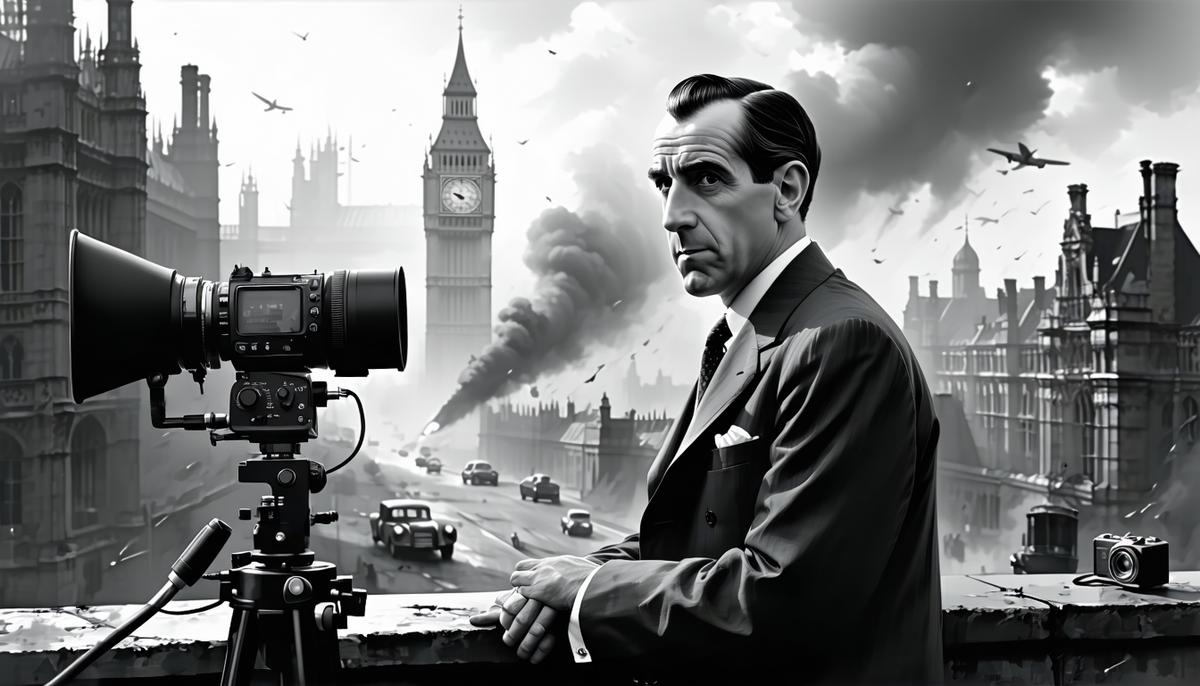
During the 1940s, radio became the heart of global awareness in living rooms across the world. As families gathered around, it brought updates of distant battles and victories, making the world feel smaller. Reporters like Edward Murrow delivered vivid accounts from war-torn London, making faraway events feel close to home.
Radio also lifted spirits. When news wasn't about hardship or heroism, it filled the air with melodies from Bing Crosby and Glenn Miller. Comedians like Bob Hope provided laughter, offering a break from the realities of war.
In the United States, President Franklin D. Roosevelt's "fireside chats" provided reassurance and clarity. His comforting voice often cut through fear and uncertainty. Regardless of location, radio worked as a thread, weaving a reluctant unity amongst nations.
The Pearl Harbor attack prompted an increase in radio use as people sought real-time updates. As battles concluded, radio brought stories of hope and victory, creating a sense of communal celebration. In all its explicit, voice-driven accounts, radio tied families to the broader world and fostered collective resilience.
Cultural Impact on Daily Life
Radio transformed American households during World War II. Family routines began to sync with favored broadcasts, with dinner times often adjusted to catch the end of a war report or a soothing melody.
Radio personalities became part of the family. Gabriel Heatter's reassuring "Ah, there's good news tonight!" comforted worried minds, while Jack Benny and his comedy troupe brought laughter to living rooms. These voices became familiar presences, heard and remembered.
Families bonded over broadcasts, drawn together by the shared experience. Even chores found their rhythm matched to the on-air schedule, with laundry folding often postponed for a Glenn Miller symphony or an adventure on "The Shadow." These auditory experiences fostered a sweet camaraderie, adding a layer of collective experience to everyday activities.
The radio also shaped family dynamics:
- Children absorbed lessons in courage from the acts they heard described
- Parents exchanged knowing glances
- The living room became a cozy seminar on the human condition
Radio wove memories into the fabric of family history, ensuring those evenings of news and entertainment remained etched in individual and collective memory long after the broadcasts ended.

Technological Advancements and Accessibility
Despite wartime constraints, technological advancements made radio as essential as morning coffee in the 1940s. Manufacturers adapted to resource limitations, using alternatives like plastic to craft affordable and widely available radios.
The introduction of the portable "All-American Five" radio brought ownership within reach of many. Designed to be affordable and easy to produce, this innovation allowed families to enjoy radio without worrying about scarcity or high costs.
In Britain, efforts to prevent blackout disruptions led to battery-powered or 'utility sets,' ensuring radio remained a steadfast presence even when electricity was scarce.
Radio's technological ascendancy wasn't just about production or distribution—it created a social fabric rich with sound, story, and shared experiences.
Each broadcast was a testament to the times—an echo of resilience, invention, and the human spirit finding its tune amidst change.
Radio, during the 1940s, was more than just a device; it was a companion that connected people across distances and times. It transformed living rooms into spaces of shared experiences and collective resilience. As we reflect on its impact, it's clear that radio wasn't just about sound; it was about bringing people together in moments of hope and unity.
- Murrow E. This is London. New York, NY: Simon & Schuster; 1941.
- Roosevelt FD. The Public Papers and Addresses of Franklin D. Roosevelt. New York, NY: Random House; 1938-1950.
- Benny J, Josefsberg M. The Jack Benny Show. New York, NY: Doubleday; 1977.
- Miller G. Glenn Miller's Method for Orchestral Arranging. New York, NY: Mutual Music Society; 1943.