
Origins and Popularity of Bobby Socks and Saddle Shoes
Bobby socks and saddle shoes, iconic elements of 1940s teen fashion, have interesting backstories. Bobby socks, ankle-length and often white, began as a comfort choice for female tennis players in the late 1920s. Initially controversial, they soon became a staple for teenage girls nationwide.
Saddle shoes, combining style and function, originated in 1906. The A.G. Spalding Company designed them initially for indoor sports, using leather for added support. They quickly found their way to dance floors, accompanying the jitterbug and lindy hop! Teens embraced these shoes for comfort and their perfect pairing with bobby socks.
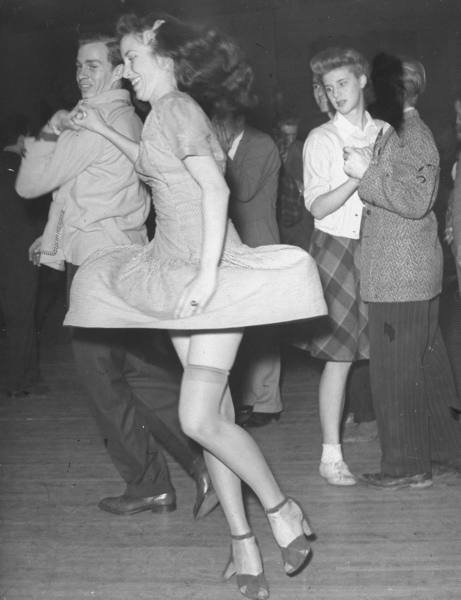
Cultural influences played a significant role. Media portrayed the bobby soxer look as the epitome of teen coolness, while marketing efforts targeted this emerging demographic. Seventeen magazine, launched in 1944, catered to this growing identity, bridging girlhood and young womanhood.
By the 1940s, being a “bobby soxer” represented more than fashion; it was an attitude. It meant embracing freedom from traditional female roles and stepping into a world where personal style was both a right and a rite of passage. White bobby socks and saddle shoes became the uniform of school days and a culture enjoying life on its own terms.
Cultural Impact and Expression
In high schools across America, a unique interplay between conformity and individuality emerged. While bobby socks and saddle shoes were ubiquitous, teens wore them in varied and imaginative ways:
- Some girls preferred their socks pulled high, clean and crisp
- Others let them bunch around their ankles
- Adding polish or unexpected details to shoes transformed them into personal statements
The term “bobby soxer” entered popular vocabulary, evoking images of carefree teenagers dancing to Frank Sinatra and swing bands. These fashion choices represented a gentle pushback against the formal styles of previous generations, defining a new cultural currency and a growing teenage economy.
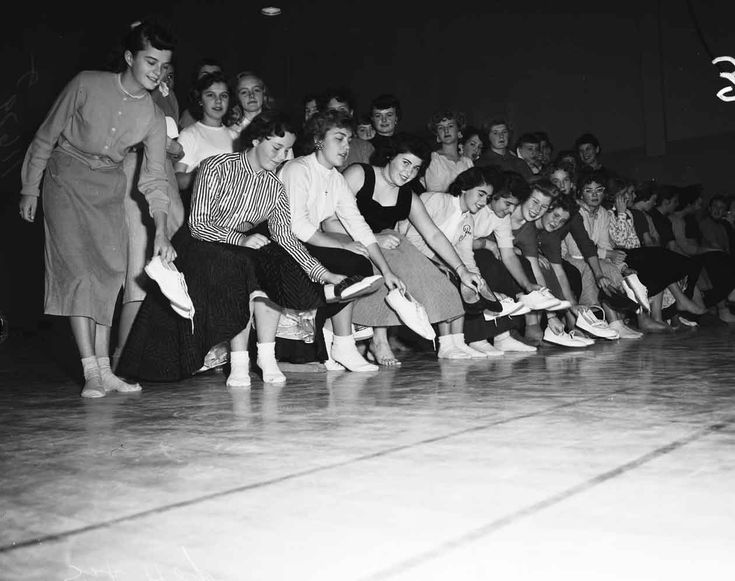
Retailers quickly caught on, sometimes struggling to keep pace with this youth-driven trend. Marketers aimed to influence this fresh demographic, often missing the authentic flair that teens instinctively understood. Yet, this attempt at commercialization legitimized the teenage market, acknowledging their distinct presence and purchasing power in American society for the first time.
"Some 6,000,000 U.S. teen-age girls live in a world all their own — a lovely, gay, enthusiastic, funny and blissful society almost untouched by the war. It is a world of sweaters and skirts and bobby sox and loafers, of hair worn long, of eye-glass rims painted red with nail polish, of high school boys no yet gone to war." — LIFE magazine, December, 1944
In 1940s culture, bobby socks and saddle shoes weren’t just clothing items; they were threads of newfound self-expression. Teens wore them to announce their arrival on the cultural stage—bright, individual, and unapologetically alive. Every scuff and wrinkle told a story, every sock matched with courage, and every shoe danced with possibility.
Contemporary Relevance and Nostalgia
Today, the influence of bobby socks and saddle shoes resonates in modern fashion, evoking a sense of whimsy and nostalgia. These symbols of 1940s teenage expression have influenced contemporary trends. The pairing of ankle socks with classic shoes has left an enduring mark on catwalks and cultural landscapes.
Recently, the retro revival has rekindled interest in these iconic pieces. Fashion designers and brands have found inspiration in the timeless appeal of 1940s styles, reimagining classic combinations for new generations. From high-end fashion houses to everyday street style, echoes of the bobby soxer aesthetic are visible—through playful socks peeking over bold shoes or outfits channeling youthful rebellion and earnest innocence.
This revival extends beyond fashion. Pop culture frequently revisits these trends, highlighting their cultural significance with warm affection. Films, television shows, and music referencing the 1940s carry the carefree spirit of the bobby socks and saddle shoes era. These media portrayals invoke nostalgia, drawing audiences into a romanticized past that feels oddly familiar and comforting.
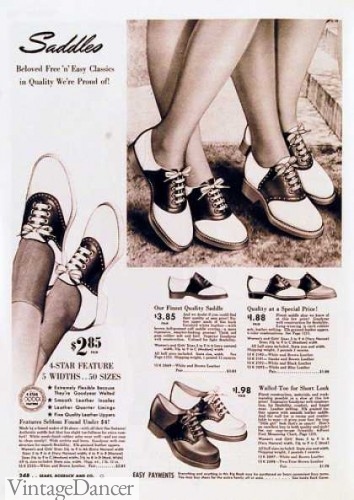
While the world has changed since the 1940s, the legacy of bobby socks and saddle shoes persists. They demonstrate the lasting power of simplicity and invite us to channel the same spirit of personal expression and cultural curiosity that defined a generation. These modest socks and shoes remain timeless elements in fashion and cultural history—staples that blend past and present in a dance of continuity and reinvention.
In fashion history, bobby socks and saddle shoes represent a generation’s search for identity and expression. They remind us that even simple wardrobe choices can carry cultural significance, influencing future generations with a spirit of individuality and youthful energy. Looking back on their legacy, we see more than clothing; we see a testament to the lasting impact of personal style in shaping our shared experiences.
- LIFE magazine. December 1944.
- Seventeen magazine. First issue, 1944.
- Time magazine. Various issues, 1940s.
- New York Times. Various articles, 1940s.