
Fashion in the 1940s was shaped by wartime scarcity, blending practicality with style. This era saw creativity flourish despite limitations, influencing modern wardrobes with its resourceful designs.
1. Utility Wear
Utility Wear, born out of necessity during World War II, became a hallmark of 1940s fashion. With fabric rationing in full swing, designs focused on function over frivolity. Patch pockets and belted waists were key features, reflecting the era’s “make do and mend” ethos.
The British government’s Utility Clothing Scheme ensured quality while controlling prices. British designers contributed to creating streamlined, yet stylish utility wear. In the United States, while rationing was less strict, the principle of utility gained momentum. Designers like Claire McCardell innovated with unrationed materials like denim, seersucker, and jersey.

Utility wear extended to footwear, with resourceful designs using materials like cork and espadrilles due to leather shortages. Children’s clothing mirrored adult trends with simplified styles.
This practical approach to fashion wasn’t just about making do; it exemplified resilience and ingenuity. The legacy of utility wear lives on, reminding us of an era when style met necessity with grace.
2. Zoot Suits
The zoot suit was a bold statement in 1940s fashion, characterized by oversized jackets and high-waisted, wide-legged trousers. For minority communities, particularly African American and Mexican American men, it was an act of cultural expression and rebellion.
Rooted in jazz culture, zoot suits symbolized nightlife energy and resistance to societal norms. However, their extravagant use of fabric during wartime rationing sparked controversy. This tension culminated in the Zoot Suit Riots of 1943 in Los Angeles, highlighting deep-seated cultural and social divisions.

Despite the controversies, zoot suits left an indelible mark on fashion history. They evolved into a symbol of unapologetic individuality, influencing future trends whenever fashion embraces boldness and flair. The zoot suit reminds us that clothes can be powerful tools for self-expression and social commentary.
3. Bold Patterns
In an era of fabric scarcity, bold patterns provided a splash of personality against the subdued backdrop of 1940s clothing. Floral prints, checks, and daring stripes became popular choices for those wanting to make a statement.
Unlike other fashion elements restricted by war-era guidelines, patterns faced no such limitations. This freedom allowed for creativity and self-expression, proving that even in times of constraint, sartorial ingenuity could flourish.
Designers used these striking patterns to craft garments that offered an escape from the practical greys and beiges of utility wear. Choosing a bold pattern became an act of quiet defiance—a means to maintain individuality in a world where conformity was often the norm.
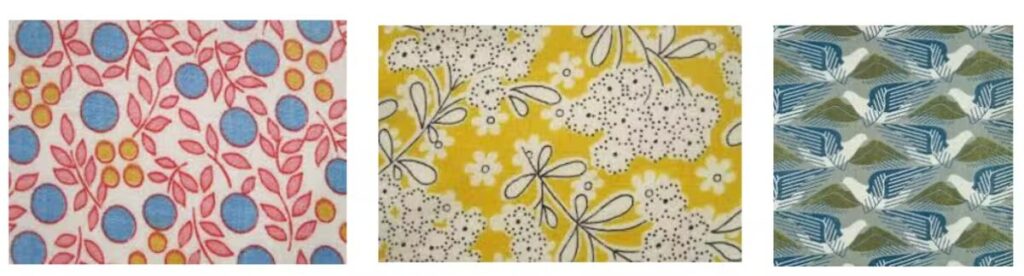
The legacy of these bold patterns lives on in today’s fashion whenever someone opts for a vibrant print or statement piece, reminding us that fashion has always been a form of self-expression and resilience.
4. Platform Shoes
Platform shoes of the 1940s were a delightful contradiction of height and practicality. With thick soles and high heels, often featuring peep-toe designs, they became an iconic silhouette of the time. These shoes complemented the rising hemlines caused by fabric shortages, intertwining necessity with a dash of daring.
Crafted from innovative materials due to leather scarcity, platform shoes featured alternatives like cork, raffia, and fabric-covered options. This resourcefulness reflected the era’s constraints while showcasing ingenuity in design.
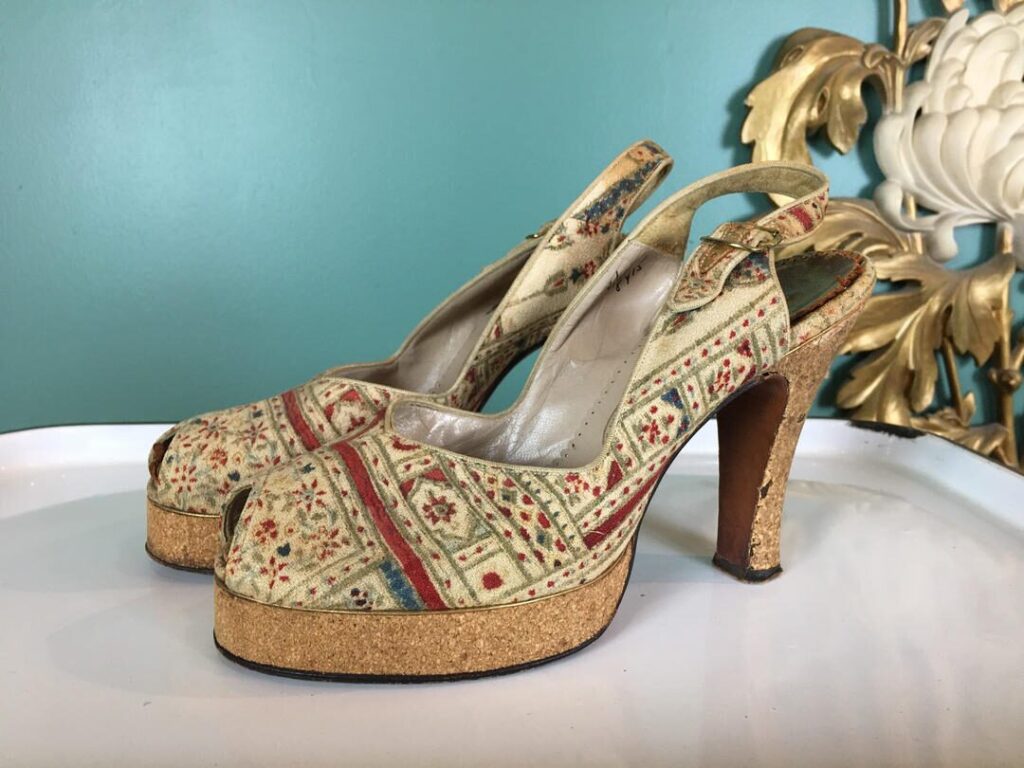
Beyond practicality, platform shoes embraced bold, playful aesthetics. From dance floors to daily strolls, they offered a touch of glamour amidst austerity. Their enduring appeal can be seen in how platforms have re-emerged in fashion over the years, each revival nodding to their original era while adapting to contemporary tastes.
Platform shoes remain a poignant reminder that fashion, even in trying times, finds a way to elevate both the body and the spirit.
5. Padded Shoulders
The 1940s brought padded shoulders to both men’s and women’s wardrobes, lending a commanding presence to those who wore them. These broad shoulders became emblematic of the era, emphasizing strength and structure in coats, jackets, and dresses.
For women, padded shoulders marked a departure from softer, more rounded silhouettes. They added a sense of authority and sophistication, enhancing the lines of utility dresses and suits worn by working women stepping into new roles. In a time when women were balancing domestic and professional responsibilities, shoulder pads offered both style and symbolic support.

Men also embraced the trend, with suits playing up the broad, squared-off look that radiated confidence. Even military uniforms incorporated the padded look, subtly blending utility with fashion.
Padded shoulders continue to cycle back into vogue, with designers revisiting this classic, empowering style. Every resurgence brings a fresh take, yet the core appeal remains—a powerful silhouette that speaks to both elegance and strength, proving that a well-padded shoulder can carry a look as commanding now as it did back in the day.
6. Men’s Fedora Hats
The fedora hat was a non-negotiable staple in 1940s men’s fashion. With its wide brim and soft felt appeal, it added sophistication to everyday apparel, elevating even the simplest ensemble.
Shaped with a teardrop crown and pinched front, fedoras allowed men to convey intentional style while providing practicality. They were versatile, worn tilted for a bit of charm or pulled lower over the eyes for an air of mystery.
These hats weren’t just fashion choices; they were statements of personality. Whether paired with a tailored suit or casual attire, the fedora completed a look with effortless flair. It served as a functional yet fashionable accessory, shielding its wearer from the elements while adding gravitas to his appearance.
The fedora’s timeless allure is evident in its periodic returns to contemporary fashion. It serves as a nod to an era where style was crafted with intentionality, tying together the past and future of men’s fashion.
7. Victory Rolls
Victory Rolls emerged as a defining hairstyle trend in the 1940s, symbolizing both glamour and resilience. Characterized by voluminous, rolled curls, this iconic look transcended mere fashion to become an expression of feminine strength.
Women mastered the art of creating Victory Rolls, using wires, bobby pins, and fabric scraps to achieve the perfect shape. The style varied from symmetrical pairs framing the face to asymmetric placements, always exuding polished grace.
The hairstyle’s popularity stemmed from its striking appearance and its name, which celebrated Allied military successes during World War II. It evoked the loops of fighter planes’ maneuvers, linking wearers to the broader cultural motif of victory and triumph.
Screen stars and pin-up models like Veronica Lake and Rita Hayworth popularized Victory Rolls, inspiring countless women to emulate their style. The look became synonymous with beauty and the indomitable will of women of the era.
Though fashion trends have shifted, the allure of Victory Rolls endures. Whether worn traditionally or reimagined with a modern twist, these spirited curls continue to influence hairstyling, reminding us of a time when women faced adversity with grace and a touch of glamour.
The 1940s fashion scene showcases how style can thrive through innovation and spirit, even in times of constraint. It underscores how clothing becomes more than fabric, transforming into a symbol of strength, identity, and optimism.
- Laver J. Costume and Fashion: A Concise History. Thames & Hudson; 2012.
- Shrimpton J. Fashion in the 1940s. Shire Publications; 2014.
- Ewing E. History of 20th Century Fashion. Batsford; 2005.
- Summers J. Fashion on the Ration: Style in the Second World War. Profile Books; 2015.
- Gregory A. Zoot Suit: The Enigmatic Career of an Extreme Style. Smithsonian Magazine. 2015.