
Colors and Patterns
In 1940s interiors, color was more than just decorative—it was a statement. Bold jewel tones like emerald greens and sapphire blues created rich warmth, transforming rooms into elegant sanctuaries. These colors invited you to linger and lose track of time.
Pastels also had their moment. Pale pinks and mint greens balanced out darker tones, offering a gentle touch to rooms. The calm of pastels danced with bolder colors, creating spaces that welcomed both quiet moments and lively gatherings.
Patterns leaped from magazines onto walls and upholstery. Geometric shapes, chevrons, and stylized florals were common. Vibrant wallpaper guided the eye across rooms, making home design feel like a carefully orchestrated dance. Walls told stories with their designs, and structured florals added a romantic flair.
Windows framed by triple-pinch pleated curtains, often paired with lace or sheer organza, framed the world in an inviting way. These details, along with transformative textures and hues, made homes feel both contemporary and classic—a nod to Hollywood’s golden age.
Patterns brought charm into these spaces, acting as visual storytellers. With florals and geometrics adorning upholstery and drapery, homes became vibrant reflections of the era’s hopes and dreams. The 1940s design ethos dared to dream big while maintaining an undeniably cozy charm.

Furniture and Layout
The furniture layout in 1940s homes was both practical and elegant. Living rooms were carefully arranged like stage sets, where every piece played a part in a harmonious composition. Streamlined designs with rounded edges offered comfort and style, blending age-old traditions with new trends.
Silk and velvet were common choices for upholstery, adding tactile richness to spaces. These fabrics invited you to sit and stay awhile, relishing in their soft embrace.
Due to resource scarcity, homeowners often paired older, cherished pieces with newer designs. This eclectic mix celebrated form meeting function, where each furniture piece carried whispers of the past and promises of the future.
Dining rooms often featured sturdy tables surrounded by chairs upholstered in lively patterns or rich jewel tones. Bedrooms typically had streamlined beds paired with carefully chosen armoires or dressers crafted from dark woods.
Layouts were designed with a graceful fluidity that allowed for social connection and intimate conversations. Stepping into a 1940s home meant entering a world that was both heartfelt and resplendent, where every piece of furniture told its own part of a larger, beautifully woven tale.

Hollywood Glamour Influence
Hollywood glamour cast its spell over 1940s interiors, transforming homes across the country. Living rooms echoed the decadence of the silver screen, with plush furnishings and ornate lighting pieces creating a cinematic experience in everyday life.
Velvet sofas and richly upholstered armchairs added a touch of luxury, while chandeliers with intricate designs cast a warm, inviting glow. These ornate fixtures were focal points, adding drama and depth to spaces.
The era’s charm lay in its ability to marry elegance with practicality. Even the most opulent rooms were designed with an eye for functionality, using durable materials that didn’t sacrifice beauty for utility. Larger pieces like dressers and cabinets mirrored the sleek lines seen in Hollywood set design, serving as both practical storage and a nod to cinematic style.
Rooms embraced an understated opulence, with pops of jewel tones and gold accents. The balance of these elements helped craft spaces that felt lived-in yet upscale. This was an era that understood the power of glamour not as a display of wealth, but as a celebration of beauty and living well.
Each room in a 1940s home offered a glimpse into a world where elegance met everyday life, recognizing the value of a beautifully curated space where practicality was wrapped in Hollywood’s golden glow.
Nature-Inspired Elements
The 1940s had a love affair with nature, incorporating it into interior design in both bold and beautiful ways. Floral patterns told stories of blooming gardens and romantic meadows, bringing the outdoors in with grace. Curtains with floral designs seemed to flow with an eternal summer breeze, infusing rooms with a hint of springtime.
Wood stood center stage, reflecting the era’s penchant for natural materials. Polished wooden tables offered a tangible connection to nature, embedding a sense of stability and resilience in homes.
Nature-inspired motifs extended beyond furnishings to decorative elements. Leaf patterns embroidered into cushion covers or vines delicately painted onto ceramic dishes celebrated the beauty of nature with creative flair. Each piece was a nod to the outside world, stitched with hope and resilience.
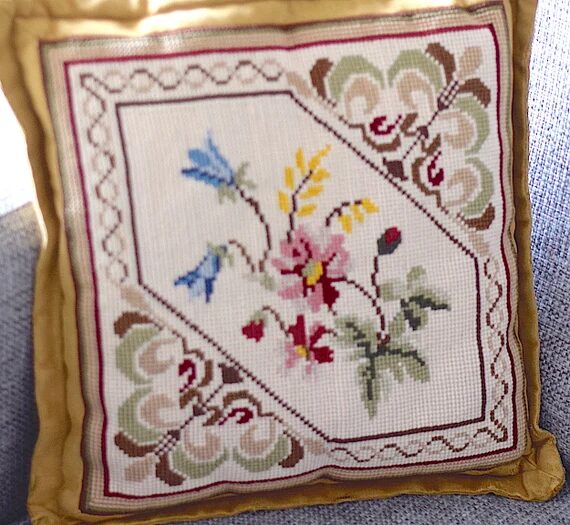
These elements brought a therapeutic tranquility to homes, offering visual and tactile comfort. Soothing greens and earthy tones in fabrics and wallpapers created an oasis of calm amid the bustle of life. Home became a refuge where the serenity of nature could be experienced within walls.
The interplay between inside and outside created spaces that nurtured individuals, families, and communities, reminding them of life’s simple pleasures. This was the quiet magic of 1940s interiors: they transformed ordinary living spaces into sanctuaries of beauty and peace, anchored by the timeless elegance of nature’s gifts.
The 1940s transformed homes into sanctuaries of style and comfort. This era, with its rich hues and elegant patterns, reminds us that beauty lies in the details—where every piece of furniture or fabric tells stories of warmth and grace. It’s a testament to an age where interiors were crafted not just for living but for dreaming.