
The Evolution of 1940s Hairstyles
World War II transformed women’s hairstyles, bringing new needs and trends. The late 1930s still favored tight curls and sleek bobs, but styles began rising upwards, hinting at the elaborate looks that would define the 1940s.
As the 1940s arrived, hairstyles became an updo paradise. This shift wasn’t just for looks – war dictated function, and glamour had to go hand-in-hand with practicality. Women entering industries needed hairstyles that were neat and safe for working with machinery.
Beyond safety, patriotism played a role. Rolling hair wasn’t just style — it boosted morale, echoing a fighter pilot’s victory maneuvers. Meanwhile, stars like Betty Grable danced across screens with sassy locks, inspiring women everywhere.
The trend had many variations. Beyond victory rolls, there were reverse rolls and glamorous updos. Not everyone opted for elaborate styles, though. Simpler looks persisted, tethered to earlier trends or personal preference.
It’s interesting how history influences fashion, with each era shaping the next. What began as necessity soon became allure, blending practicality with flair. The 1940s left an indelible mark on hairstyling, remembered fondly for its distinctive looks.
Victory Rolls: Origins and Variations
The Victory Roll became a cultural icon of the 1940s, symbolizing resilience, patriotism, and Hollywood glamour. Its origins likely stem from the aerial victory maneuvers of fighter pilots, though the exact transition from aviation to fashion is unclear.
Actresses like Lana Turner and Betty Grable popularized the look, inspiring women across America to recreate the style at home. The Victory Roll captured the spirit of wartime femininity—strong yet elegant, practical yet polished. For women taking on new roles in factories or managing households alone, these hairstyles were a reminder of enduring grace in tough times.

Victory Roll Variations:
- Asymmetrical styles
- Perfectly matched dual rolls
- Centered on the forehead
- Varying sizes from small to enormous
Despite their elaborate appearance, Victory Rolls became accessible to all, thanks to beauty magazines and films that spread styling tips.
The cultural impact of Victory Rolls went beyond fashion. They became a silent yet powerful affirmation of women’s roles in the war effort, both at home and in the workforce. Each carefully crafted roll represented not just style, but a shared experience of sacrifice and hope for eventual triumph.
Practicality Meets Glamour
In the 1940s, hairstyles like the Victory Roll struck a balance between practicality and glamour. As women entered traditionally male-dominated workplaces, their hair needed to adapt. Victory Rolls neatly kept hair away from the face, making them safer for factory work, while still maintaining a polished look.
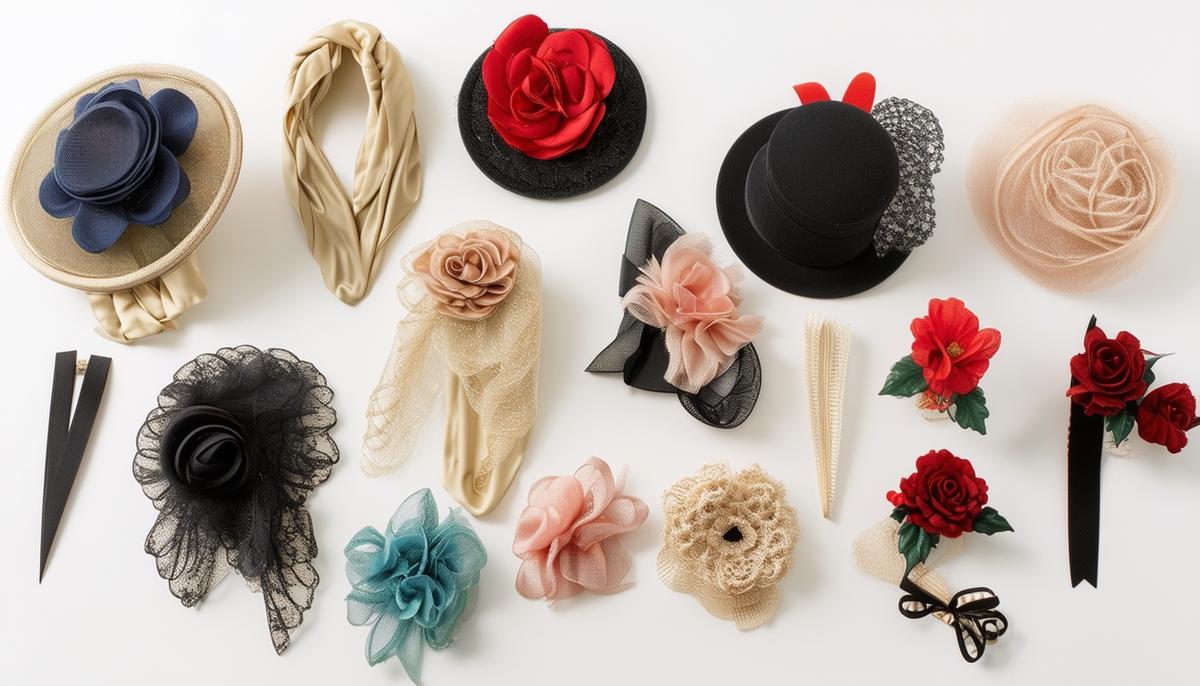
Popular Accessories:
- Snoods: Originally meant to keep hair tidy, became fashionable touches
- Flowers: Added personality to structured styles
- Hats: Allowed women to express themselves while adhering to practical needs
Each accessory told a story of adaptability. They transformed everyday hairstyles into statements of personal flair, bringing a touch of Hollywood glamour to factories, streets, and homes across America.
These elements – Victory Rolls and their accessories – marked a time when women embraced new roles without sacrificing their ideals of beauty. They showed that style could indeed meet substance in an era defined by resilience and change. The allure of 1940s hairstyles wasn’t just in their appearance, but in how they represented women’s newfound empowerment.
DIY: Recreating 1940s Hairstyles Today
Recreating 1940s hairstyles at home can be a fun way to connect with the past. Here’s a guide to bringing these iconic looks to life, with some modern twists:
For Victory Rolls:
- Section your hair, focusing on the front.
- Use bobby pins and a rat tail comb for precision.
- Tease the roots for volume, then gently wrap the hair upwards to form a tube.
- Pin securely and smooth any flyaways.
- For a modern touch, use texture spray for added grip.
For soft waves:
- Use a large-barrel curling iron.
- Let each curl cool in your hand before releasing.
- Finish with shine serum for that classic glossy look.
For updos:
- Start with a Middy Cut for authenticity.
- Incorporate accessories like snoods or headscarves.
- Add vintage brooches or flowers for evening glamour.
Pro tip: Don’t forget hats! A tilted vintage hat can cover imperfections while enhancing your style.
For inspiration, look up vintage hairstyling guides online. With practice, you’ll master these elegant looks, paying homage to the women who rocked them during a transformative era in history.
In the 1940s, hairstyles were more than just fashion; they reflected the resilience and adaptability of a generation. Victory Rolls and other iconic styles became symbols of strength and elegance, showing how beauty could inspire and uplift even in challenging times. As we recreate these looks today, we connect with the spirit of those who faced adversity with grace and style.
- Gibson R. The Hair Historian: Popular Hairstyles Through the Decades. Beauty Industry Report. 2022.
- Anderson I. 1940’s Creative Hair Styling You Can Do. Hollywood Hair Styles. 1945.
- Rennells L. Vintage Hair Styling: Retro Styles with Step-by-Step Techniques. Korero Press; 2009.