
Personal diaries from the 1940s offer a window into a world shaped by daily routines, social gatherings, and historical events. These handwritten accounts capture the essence of life during a time when community and resilience were at the forefront. They provide a glimpse into the emotional and psychological landscapes of individuals dealing with both ordinary and extraordinary circumstances.
Daily Life and Social Norms
Personal diaries from the 1940s are like time capsules that reveal snippets of ordinary life from a time when Netflix was a night at the movie theater, and "scrolling through" meant flipping through the pages of the latest Life magazine. These diaries offer keen insights into how folks spent their day-to-day life and what kept them busy before smartphones and morning podcasts.
Diaries from this era often tell tales of daily chores that were regulars on the to-do list. Preparing meals without Instant Pots and washing clothes sans washer-dryers were tasks that required time and genuine effort. We're talking peeling a mountain of potatoes—by hand!—and hanging clothes outside to dry in the sun, praying for a good breeze. Keeping the house in tip-top shape was all part of maintaining a certain social image.
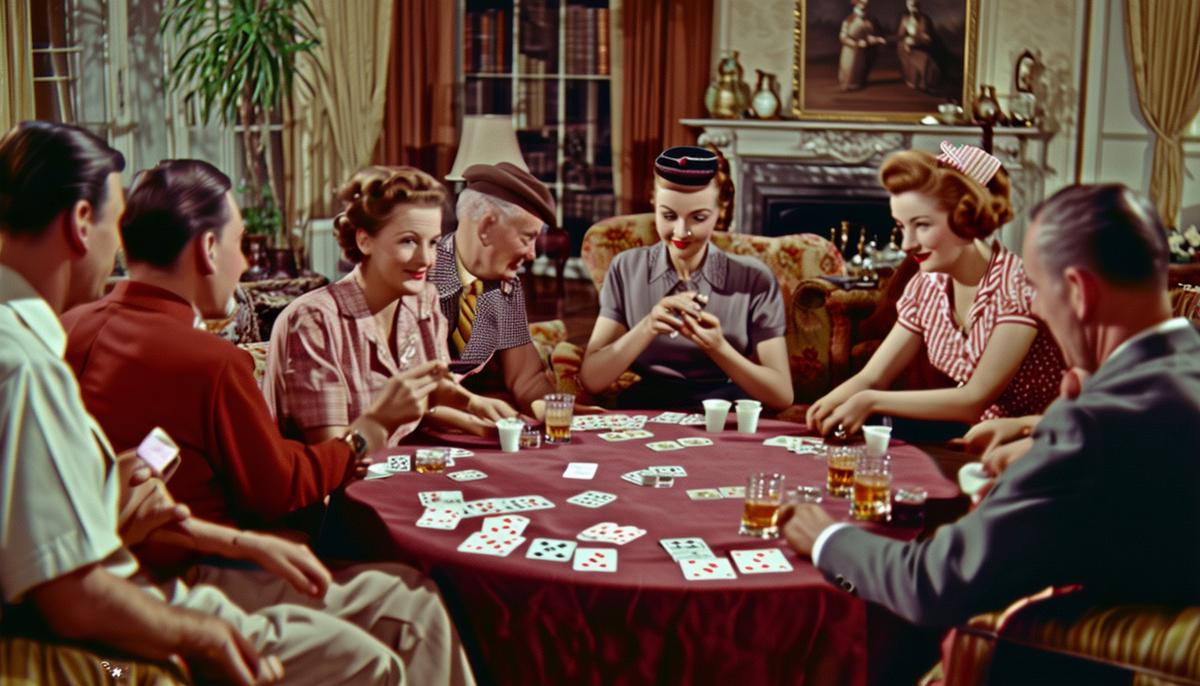
Social gatherings like tea parties or card games were a big deal. People didn't merely RSVP; they organized, decorated, and often poured their hearts into making finger sandwiches and punch. Imagine small living rooms bustling with chatter, the smell of fresh-brewed coffee wafting through the air, while guests unwrapped homemade desserts. These events were not just hangouts but showcases of etiquette and hospitality skills.
Entertainment in the 1940s wasn't a tap away. Instead, it brought families together around radios for the latest dramas or comedies. Even kids would gather on the living room floor, wide-eyed, listening to every crackly word of their favorite programs. Dances, concerts, and movie nights were high on diaries' must-do lists. People cherished these outings, perhaps fashioning their experience as a breath of fresh air from daily life.
The World War II era influenced every part of life, even approaching the mundane. Rationing became a norm, with sugar, meat, and gas tucked into wartime budgets. Diary entries would often reflect the ingenuity folks employed to stretch every dollar—coupons became a way of life. Meanwhile, the war's impact reached hearts as much as homes, with family members serving overseas or volunteering, leading to entries filled with hope, worry, and news clippings pasted onto pages.
Life back then, as recounted in these diaries, wasn't about instant gratification. It was more measured, with a focus on community, resilience, and savoring the small moments. Personal diaries from this era capture not just a time gone by but also the essence and grit of life in the 1940s.
Emotional and Psychological Insights
The emotional landscape of 1940s diaries offers a remarkable window into the hearts and minds of those who lived through that spirited yet challenging decade. These personal reflections cover everything from the joy of a new romance to the pangs of wartime separation, and above all, convey the resilience of the human spirit.
Love was declared with earnest penmanship, and courtships often spanned several pages, detailing everything from that first nerve-wracking dance to grand hopeful musings about the future. Entries would glow with tales of stolen moments at bus stops, handwritten letters spritzed with perfume, and the occasional heartache when love went unreturned.
Many reflections articulated the struggle of maintaining one's self-esteem amidst societal pressures, especially for women. These diaries often voiced frustrations of being measured against impossible ideals—whether in appearance, demeanor, or societal roles. Yet, it's heartening to see entries filled with self-affirmations or plans to pursue personal interests, showing the seeds of self-discovery and feminist thought sprouting even in that era.
The war painted entries with layers of anxiety and determination. The dread of daily reports from the front lines, the fear etched in farewells, yet the bravery to carry on with life back home was palpable. Diaries from brothers, sons, or beloveds on the battlefield were particularly poignant, each page holding the breath of suspense, hope, and longing for peace. Beyond fear, these accounts displayed a gritty resilience, with diarists finding unique coping mechanisms. Some turned to writing as a therapeutic outlet, while others found solace in church gatherings or community efforts like knitting socks and rolling bandages.
The emotional resilience of 1940s diarists also shone through their reflections on life's little joys. Even amid global turmoil, entries celebrated small victories—a child's first steps, a neighbor's kind gesture, or simply the vibrant blooms in a spring garden. Such notes remind us of the timeless human capacity to find light in darkness, a sentiment as relevant today as it was then.

Historical Context and Impact
As we explore the pages of 1940s diaries, we uncover a vivid picture of historical context interwoven with personal experiences. These handwritten accounts shed light on how significant events like World War II and the Holocaust were not just headlines, but lived realities for ordinary people.
World War II looms large in many diaries, coloring life in myriad ways. Entries often reflect the omnipresence of the war, from the radio broadcasts blaring news of battles to the rationing booklets dutifully updated at the kitchen table. Parents note the challenge of explaining the distant conflict to children whose world revolved around marbles and hopscotch. "Blackout curtains save lives," writes one father, intertwining practicality with reassurance, in a bid to protect both mind and home.
Diaries narrated sons and brothers leaving for the front, each mention tinged with stoic pride and a latent fear only the ink could betray. The diary of a young woman described packing farewell sandwiches with a clip of her brother's favorite hymn tucked discreetly under the wax paper—a small token of hope amidst tearful goodbyes. Yet through these personal accounts, we see the strength that came with unity, as communities rallied together for blood drives and war bond efforts.
The heartbreaking chronicles from those directly impacted by the Holocaust, especially as captured in surviving diaries, are solemn and haunting. These records chronicle acts of defiant resilience and courage. The diary of a young Jewish girl in a European ghetto includes sketches of makeshift gardens and recounts fleeting moments of joy gleaned from secret songs sung softly in hiding. Her words echo buoyant determination, revealing an unyielding desire to sustain humanity even with shadows encroaching on every edge.
Survivors recorded their day-to-day experiences in concentration camps with remarkable candor. Through their stories, we confront the harsh physical realities, yet we also honor their spirit and perseverance. The stories of liberation offer not only a sobering reminder of history's darkest chapters but also a beacon of hope and the testament of an unbroken will.
Even amidst such harrowing tales, everyday life continued in makeshift form. Diaries might juxtapose horrific events with mundane details—such as strategizing around ration cards or airing grievances about cold nights. This mingling of the ordinary with the extraordinary gives diaries a unique, timeless poignancy. They remind us that history was not just enacted by leaders on grand stages but by countless individuals, ordinary yet superbly brave, who etched their resilience upon life's canvas, sometimes with just a pen and a piece of paper.

Preservation and Legacy
Personal diaries of the 1940s have transformed from dusty mementos into invaluable touchstones of history, offering glimpses into a world that feels both distant and yet uniquely relatable. Preserving them extends their legacy, ensuring that the whisper of a bygone era echoes through time.
Efforts to collect and digitize these diaries have taken center stage in various archival initiatives. Libraries and museums across the globe recognize these handwritten accounts as critical historical documents, capturing the nuanced human experiences that traditional history books often overlook. This transition from physical to digital forms not only guards against the ravages of time but invites wider audiences to join in the exploration of 1940s life.
The US Holocaust Memorial Museum's digital collection of survivor memoirs and diaries has opened a doorway to the emotional heartbeats of those who lived through the Holocaust's horrors. Similarly, campaigns like "Operation Diary: The Founding Generation" aim to enshrine the experiences of everyday individuals within broader national stories, such as the formation of the State of Israel. These projects emphasize that diaries can connect us to the foundational moments of societal change.
Curators and archivists play a pivotal role in safeguarding these accounts, often becoming detectives and storytellers in the process. They sift through flea market finds, garage sales, and estate auctions, often embarking on journeys to uncover the identities behind anonymous scribblers. This sleuthing helps attach human faces to the stories, enriching the historical canvas with intimate details.
The true magic of preservation lies in the stories that emerge when communities are invited to contribute their forgotten treasures. Families are encouraged to rummage through attics and basements for diaries long tucked away. This collective effort not only preserves the diaries themselves but also rekindles family histories, sparking personal reflections that add layers to our understanding of the past.
In bringing these diaries to light, we benefit from a dual perspective: the chronicled memories of yesteryear and the current spirit of discovery. Whether it's through the minutes of a children's diary detailing kibbutz life or the agony of wartime separations, each one is a testament to the resilience of ordinary people dealing with extraordinary times.
Preserving and sharing these diaries underscore a profound truth—history is not merely the domain of leaders and victors but of every individual who left their mark, however small, on the world. Through these pages, the diarists of the 1940s speak to us still, from the delicate curve of ink to the pressing concerns of their times, reminding us of the timeless value of personal accounts.

Through these diaries, we gain a profound understanding of how personal reflections add depth to our grasp of history. They remind us that even in challenging times, the enduring human spirit shines through, offering insights that continue to resonate today.
- Barzilai M. Operation Diary: The Founding Generation. National Library of Israel. 2023.
- Masters A. A Life Discarded. Fourth Estate; 2016.
- North P. The Great Diary Project. London: Bishopsgate Institute; 2007.
- United States Holocaust Memorial Museum. Survivor Memoir Collection. Washington, DC: USHMM; 2023.