
Origins and Evolution of Swing Dance
Swing dance, rich in history, emerged from the vibrant African American communities of the early 20th century. It evolved from religious dances like the Ring Shout, which involved rhythmic movements in a circular formation. This birthed dances like the Cakewalk, a satirical strut mocking plantation life, and later, Midwest dance halls saw the rise of Ragtime dances like the One-Step and Hesitation Waltz.
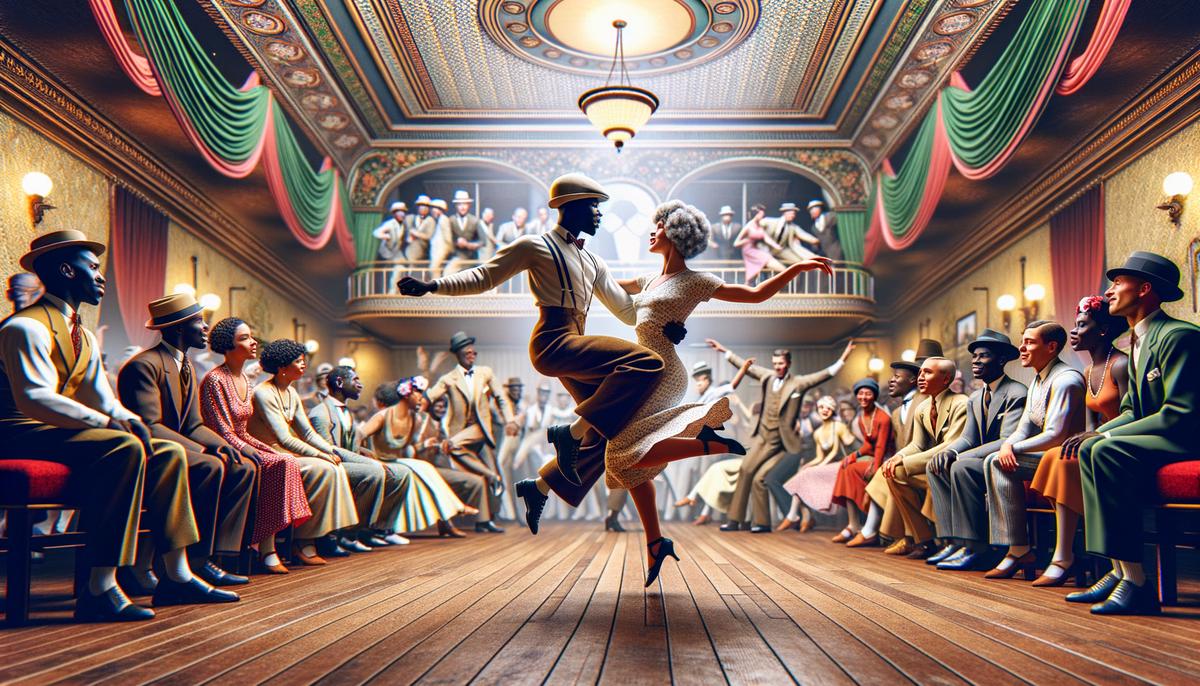
The One-Step laid the groundwork for various dances, including the Fox Trot, which became a mainstream favorite. By 1928, the Lindy Hop took center stage, with dancers like George "Shorty" Snowden and Mattie Purnell mesmerizing audiences with energetic routines. The Lindy Hop, known for its fast footwork and triple-time variations, fused elements from Charleston and introduced acrobatic 'air steps' inspired by vaudeville.
As American culture began influencing global dance scenes, swing spread internationally. The Jitterbug energized UK dance floors, showcasing energetic spins and twists. Even the modest Shag, with its collegiate roots, became popular for its knee-lifted, arm-jumped style. Meanwhile, Balboa dancers refined their movements into a subtle form of art, handling fast tempos with intricate footwork and close-body holds.
Swing dance in the '40s was more than just movement; it was a symbol of resilience and unity. As soldiers returned and sought solace in dancing, post-war waltzes became another way of expressing joy and relief. These dances were a shared cultural story that saw the old intertwine with the new, forever changing yet staying rooted in celebration.
The Jitterbug Craze in the UK
In the 1940s, the Jitterbug burst onto the UK dance scene like a whirlwind of energy. This American import wasn't just another dance; it was an embodiment of exuberance that captivated British dance halls. The presence of American soldiers stationed throughout the UK added fuel to the cultural fire, as they showcased the dance in its most authentic form.
However, the Jitterbug wasn't universally embraced. It received its fair share of criticism from older, conservative factions who saw it as flirtatious and potentially morally destabilizing. Some dance halls even declared embargoes during traditional sessions, claiming it disrupted more orderly dance routines.
These debates encapsulated the broader societal wrestle between innovation and tradition in a post-war world. For the youth and the open-minded, the Jitterbug was a joyful and liberating expression—a vibrant form of resistance against the drabness of war-torn years. For them, it was less about scandal and more about the thrill of the moment and the joy of unrestricted movement.
The dance's popularity endured despite some resistance, largely because it arrived at a cultural crossroads. People were eagerly seeking moments of levity and connection. Through its lively presence on dance floors, the Jitterbug offered a reminder of the pleasures of spontaneity and shared jubilation, bridging divides across dance floors and nations.
Post-War Dance Trends
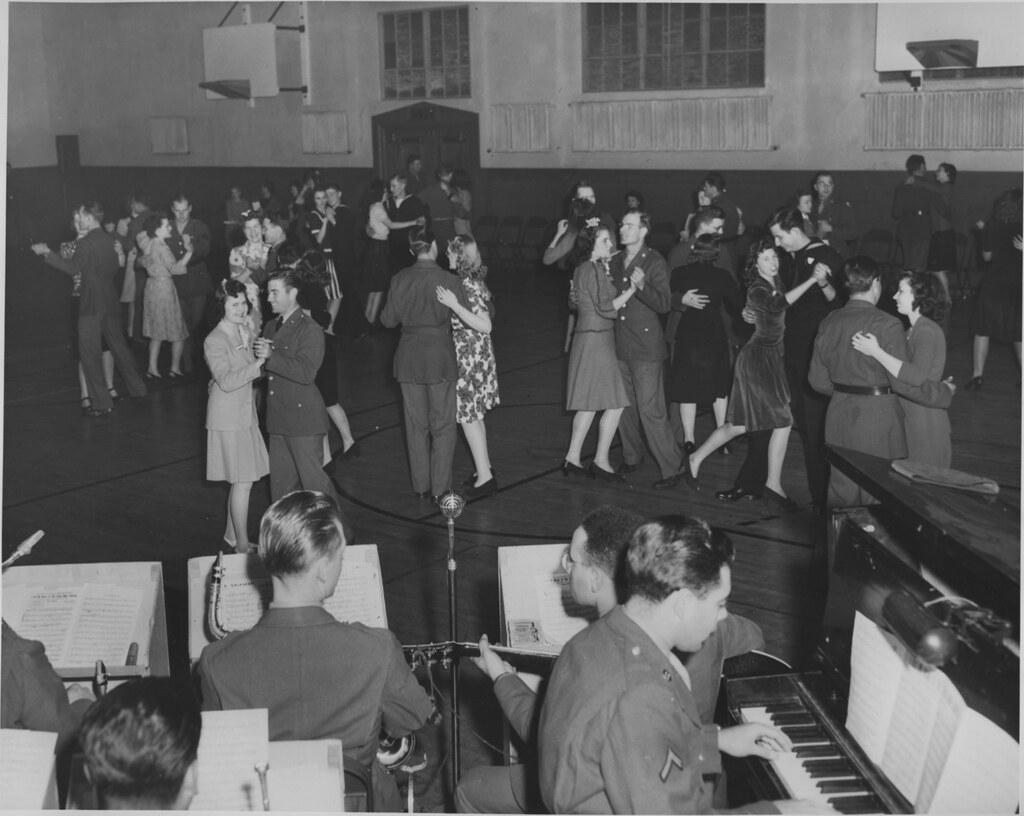
As the echoes of war began to fade, dance floors across the globe saw new rhythms emerging. The jitterbug, which had dominated the wartime dance scene, slowly started giving way to more constrained forms. This shift didn't represent the death of the jitterbug but rather its gentle ebbing as society's pulse moved toward a different beat.
Traditional dances, particularly the waltz, experienced a renaissance. The waltz, with its sweeping elegance and ballroom grace, became the embodiment of a return to structure and sophistication. It was a soothing balm for the weary soul, its measured steps offering reassurance and a touch of romance. The simplicity of its ¾ time signature provided a ritualistic escape, a way to reclaim an elegance that had been overshadowed by the chaos of war.
This shift in dance style mirrored broader societal transitions. The world was stepping back from the tumultuous pace of war, seeking solace in the familiar and the refined. The dances of the post-war era often reflected the newfound sense of hope and peace—a quieter yet profound expression of the joy of simply being alive and together.
Meanwhile, the social scene was evolving. Dance clubs began to strike a balance between honoring the past and embracing the future. There was a palpable sense of rebuilding; dances became more about personal connection and less about frenetic celebration. This new era saw couples gliding hand-in-hand—a symbolic gesture of unity and shared optimism as they twirled into a bright future.
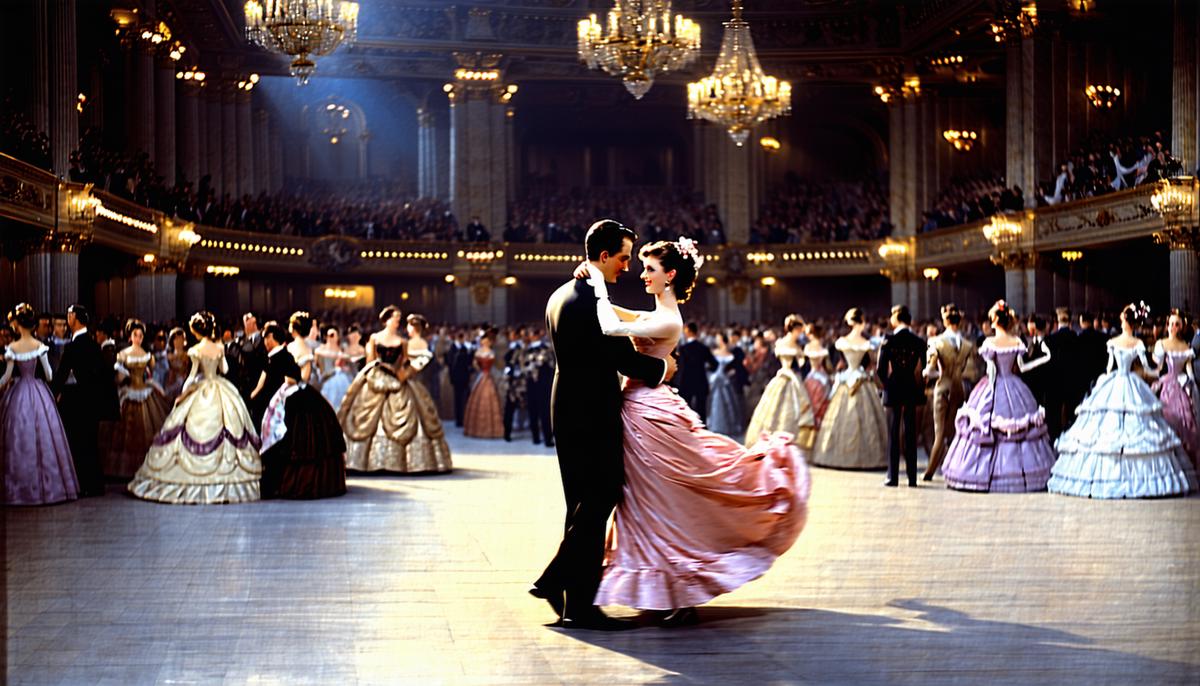
Dance, with its graceful steps and lively rhythms, reflects the spirit of its time. From the spirited energy of the jitterbug to the serene elegance of the waltz, each style captures a moment in history. The enduring power of dance lies in its ability to connect people, offering joy and unity across generations and cultures.
- Santilli N. Authentic jazz dance: Part 2. Dancing Times. 2016.
- Waring-Tovey HA. Interview transcript. University of South Carolina Oral History Program.
- Fant J. Interview transcript. University of South Carolina Oral History Program.