
1. Armored Heifer
Armored Heifer: Canned milk masquerading as fresh milk gets a clever alias. This term nods to wartime practicality, where preserving milk meant relying on canning to withstand the test of time.
Cornball: Old-school humor that's a bit too vintage for modernity but still endearing.
Duh: An exasperated response when someone states the obvious.
Eager Beaver: Picture an enthusiastic colleague who volunteers for everything. It's enthusiasm overdrive, straight from WWII trenches to the modern hustle.
Genned Up: Today's "in the loop" finds its bygone twin. You're equipped with all the necessary details, ready to go.
Gobbledygook: This term rails against confounding legalese. Embrace clarity and brevity like Maury Maverick would.
Hitting the Sauce: This phrase isn't just about quenching thirst but captures moments of good cheer and shared laughter.
Hipster: Once ruled by jazz connoisseurs, today it's associated with coffee aficionados wielding cold brews and denim aprons.
2. Cooking With Gas
Originating from the world of vaudeville, "Cooking With Gas" encapsulates a moment when everything clicks. Imagine a performer who has truly "arrived," eliciting instant applause. Today, it's that sweet spot where effort meets excellence, like zipping through a project with ease.
Next time you're in a meeting and everything's running smoothly, let your team know you're cooking with gas. It's a nod to efficiency and flair that never goes out of style.
3. Khaki Wacky
Step back into the era of World War II, where "Khaki-Wacky" described the fascination with military uniforms. Picture the homefront filled with eager eyes scanning streets and dances for the telltale khaki of a soldier's attire.
Being khaki-wacky wasn't just a phase; it was a cultural expression of pride, longing, and the allure of a uniform in its fullest gallantry. Today, using this vintage throwback adds character to our conversations, bridging past sentiments to modern charm.

4. Moxie
Moxie wasn't just a catchy term—it was the essence of grit and guts. Originally inspired by an energy drink brand, this term represented the audacious spirit permeating both the homefront and battle lines.
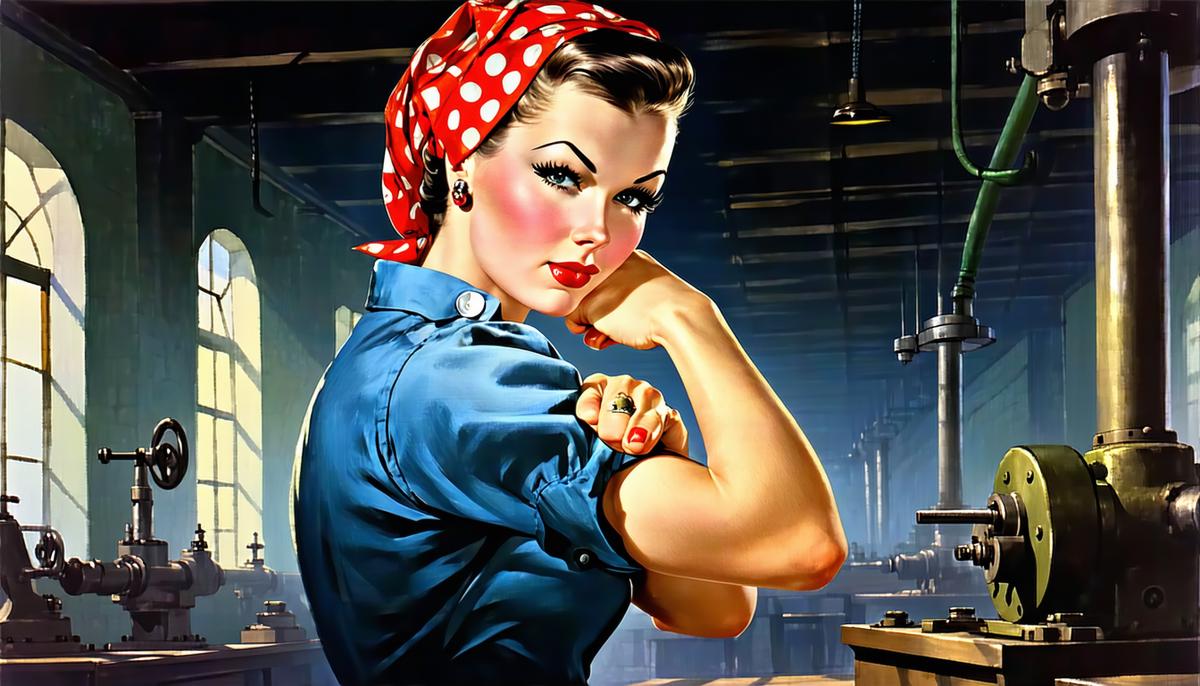
Picture Rosie the Riveter channeling moxie as she rolled up her sleeves, embodying the resolve needed to fuel a nation's resilience. Today, having moxie still means you've got the tenacity to face challenges and march to your own drumbeat.
The next time you conquer a seemingly insurmountable task with flair, tip your hat to the legacy of moxie—because bravery is timeless.

5. Eager Beaver
With its origins in World War II, "eager beaver" paints a picture of young soldiers dashing about, tackling tasks with unchecked energy. In a modern office, eager beavers are the go-getters who dive headfirst into projects, their zeal as infectious as a 1940s swing dance number.
- They're the ones volunteering for every committee
- Bringing an extra spark to meetings
- Channeling fervor into purpose
Being an eager beaver isn't just about raw enthusiasm; it's about channeling that fervor into purpose. It's a reminder that passion and dedication never go out of style. Whether you're building bridges across nations or within your company, let your inner eager beaver shine—because a zest for life is a timeless triumph of the human spirit.
6. Gobbledygook
Gobbledygook first entered our lexicon in 1944, courtesy of Maury Maverick—a champion of clear communication. As a government official during the war, Maverick was determined to cut through the murky mire of bureaucratic jargon. His term was a call for simplicity in an era when clarity was vital.
Today, we still grapple with this phenomenon: the avalanche of corporate speak and legalese that can turn even the most straightforward document into a labyrinth. But gobbledygook remains a rallying cry for straight talk, reminding us that there's beauty in being direct.
Whether you're writing emails or novels, let gobbledygook serve as your discerning editor, keeping your prose lean and meaningful. After all, language should be a bridge, not a barrier—a lesson just as relevant now as it was in Maverick's day.

7. Whammy
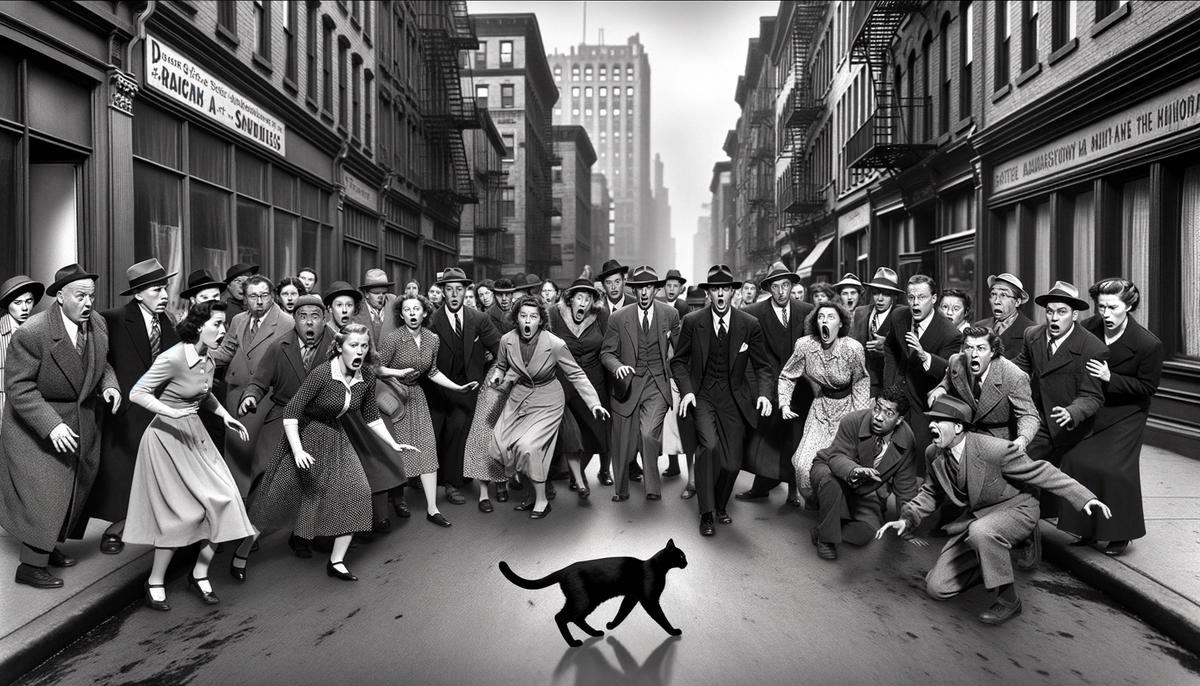
Born in an era where superstition and reality often blurred, a whammy referred to a supernatural jinx or stroke of bad luck. Picture a bustling street, where folks whispered about who caught the latest whammy, as if it were an unpredictable storm cloud.
Whammy carried an aura of mystery, like a noir film clue. It was invoked with a playful yet wary sense of dread—an acknowledgment that sometimes, life throws curveballs. Whether it was a baseball team blaming a losing streak on a whammy or a businessman cursing a bad day, the term encapsulated moments when fate took an unexpected turn.
Today, while we might discuss bad luck more scientifically, the charm of the whammy remains. It's an expression that treads between humor and the unexplainable. So, the next time you find yourself under a figurative rain cloud, recall that 1940s sense of wonder and whimsy. Call it a whammy and meet misfortunes with a dash of humor and the belief that every cloud has a nostalgic silver lining.
8. Snap Your Cap
In the lively 1940s, "snap your cap" was the go-to term for instances when patience wore thin and tempers were lost. It captured moments of boiling-over frustration in a more playful way.
Picture a bustling newsroom, teeming with reporters vying for the next big scoop. Amidst the hustle, a rookie finally snaps his cap after receiving his story draft back, lacerated with red ink and editorial notes. Even in hectic moments, there was space for these candid emotional releases.
The phrase stretched beyond the newsroom to everyday life:
- A mother might have snapped her cap at her son who tracked mud across the freshly scrubbed floor
- A boss overwhelmed by looming deadlines might momentarily lose his composure
Today, "snap your cap" can still add a sprinkle of vintage flair to our language. While modern life may not carry the exact cadence of the 1940s, we still encounter moments that push us to our limits. So, the next time you find yourself at wit's end, channel the spirited essence of the era and declare you've snapped your cap.
9. Ace
In the 1940s, "Ace" wasn't just a mark of excellence; it was a badge of honor. Picture an ace pilot, cutting through clouds with precision, every maneuver as sharp as the trails in the sky behind him. The term, borrowed from British vernacular, became a salute to expertise and mastery.
Imagine sitting in a smoky 1940s jazz club. The bandleader nods to the saxophonist, a true ace, whose improvisation breathes life into the very walls. To be an ace wasn't just about skill; it was an aura of coolness interwoven with accomplishment.
Today, "Ace" still radiates that same respect. It signifies a person with enviable finesse in their chosen pursuit, from coding to conquering to-do lists. It's become a universal shorthand for excellence, a timeless nod to those who make their craft look effortless.
Incorporate "Ace" into your chats as a verbal trophy. Celebrate those who blaze trails with a deft touch, and perhaps inspire those around you to aim for their own ace moments. While times may have evolved, respect for excellence remains as evergreen as the language we use to honor it.

10. Dreamboat
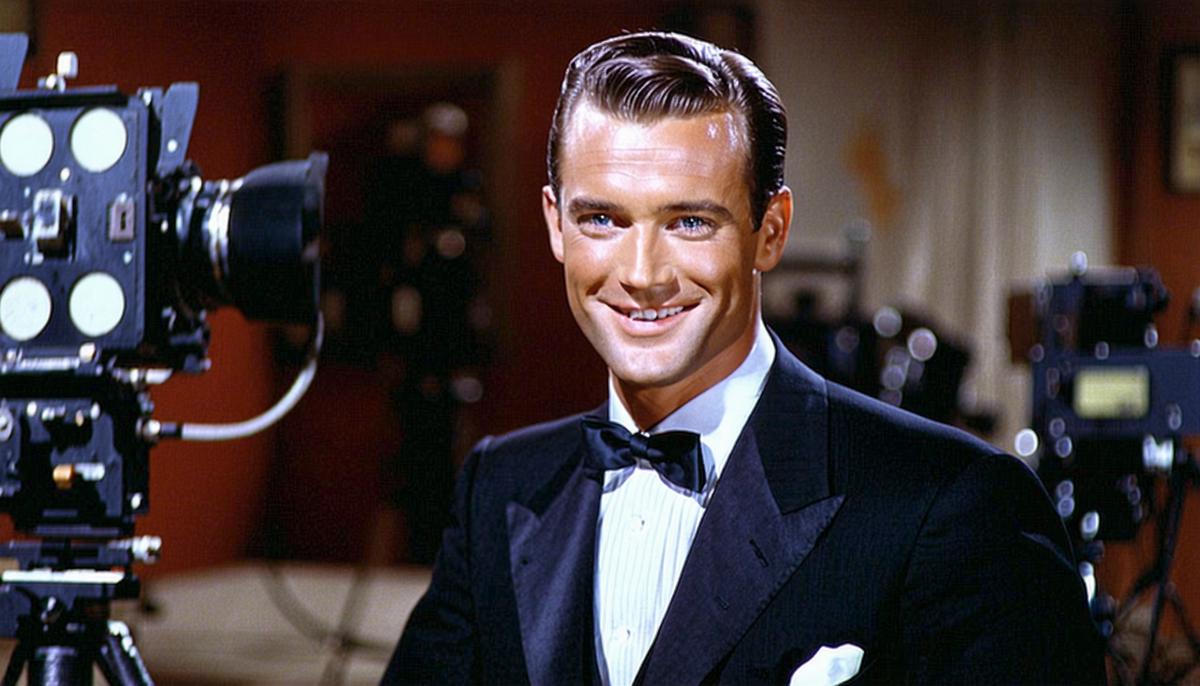
In the 1940s, a dreamboat wasn't just any man—it was someone who exuded effortless charisma and movie-star magnetism. Imagine black-and-white film reels flickering with the dashing visage of a leading man who seemed to glide through scenes.
The dreamboat embodied the aspirational optimism of the era, representing a world where dreams were cherished. Young women clipped magazine photos and pinned them on bedroom walls, their imaginations conjuring stories of romance and destiny.
A dreamboat might have been found:
- Crooning on stage
- Marching on screen
- Flashing a winning smile in a wartime photograph
These men were symbols of aspirational beauty, catching the eyes and hearts of a public eager to see more than just survival.
Today, that dreamboat spirit lives on in digital charm and curated profiles. Whether it's a stylish influencer or someone whose personality shines through every interaction, that timeless allure remains. Bringing "Dreamboat" into contemporary conversation revives the vintage flair of heartfelt admiration while celebrating today's captivating characters.
Next time you encounter someone with that blend of grace, talent, and charisma, let "dreamboat" sail back into everyday vocabulary. It honors the past while celebrating today's alluring individuals, forever drawn to the romantic optimism first imagined in the 1940s.

As we explore these vintage expressions, we find that language captures the spirit of its time. These phrases not only enrich our vocabulary but also connect us with the charm and character of a bygone era.
- Cassell's Dictionary of Slang. London: Cassell; 2005.
- Green J. Green's Dictionary of Slang. Oxford University Press; 2010.
- Lighter JE. Historical Dictionary of American Slang. Random House; 1994.
- Oxford English Dictionary. Oxford University Press; 2021.